


ON THIS PAGE
Tafric request data as of November 29, 2026
To bring medical and laboratory equipment from Turkey into Nigeria, the device must be registered with NAFDAC by a Nigerian company acting for the manufacturer, which can take up to 120 working days for class A and 240 for classes B to D, excluding time spent answering NAFDAC queries. Equipment may also need SONCAP, X-ray units an NNRA licence, and every shipment an e-Form M. On Tafric, 126 Nigerian requests (31 August–29 November 2026) were medical, led by lab analysers.
Tafric is a B2B marketplace that connects Turkish manufacturers with African buyers: the buyer posts a request for free, Tafric checks it, and Turkish manufacturers in that category can contact the buyer directly.
Which laboratory and hospital equipment are Nigerian buyers requesting from Turkey?
Nigerian buyers ask Turkish suppliers above all for laboratory analysers, ultrasound machines and equipment for whole new clinics: medical and healthcare products made up 126 of the 1,098 requests that buyers in Nigeria published on Tafric between 31 August and 29 November 2026, the fourth-largest group, and laboratory materials and equipment was the largest medical subcategory (39).
Counts come from each request's title and description; one request can name several items.
| What Nigerian buyers asked for | Requests mentioning it (31 Aug–29 Nov 2026) | Typical wording |
|---|---|---|
| Haematology analysers | 11 | '3 part or 5 part haematology analyser', 'full blood count', point-of-care analyser |
| Equipment for a whole hospital, clinic or diagnostic centre | 11 | 'complete hospital equipment for a newly established hospital' |
| Ultrasound machines | 10 | Doppler, 3D/4D, convex and transvaginal probes, portable units |
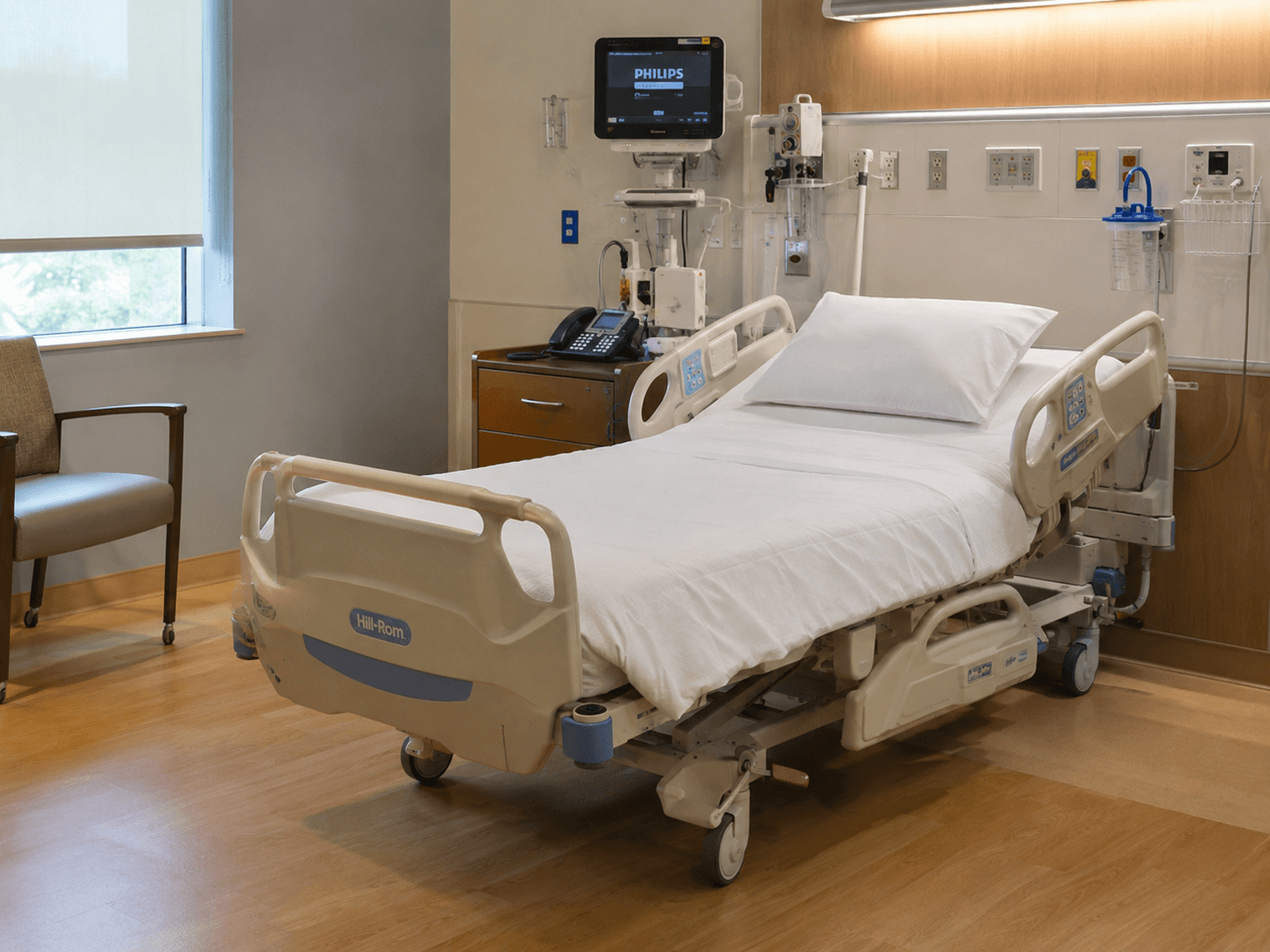
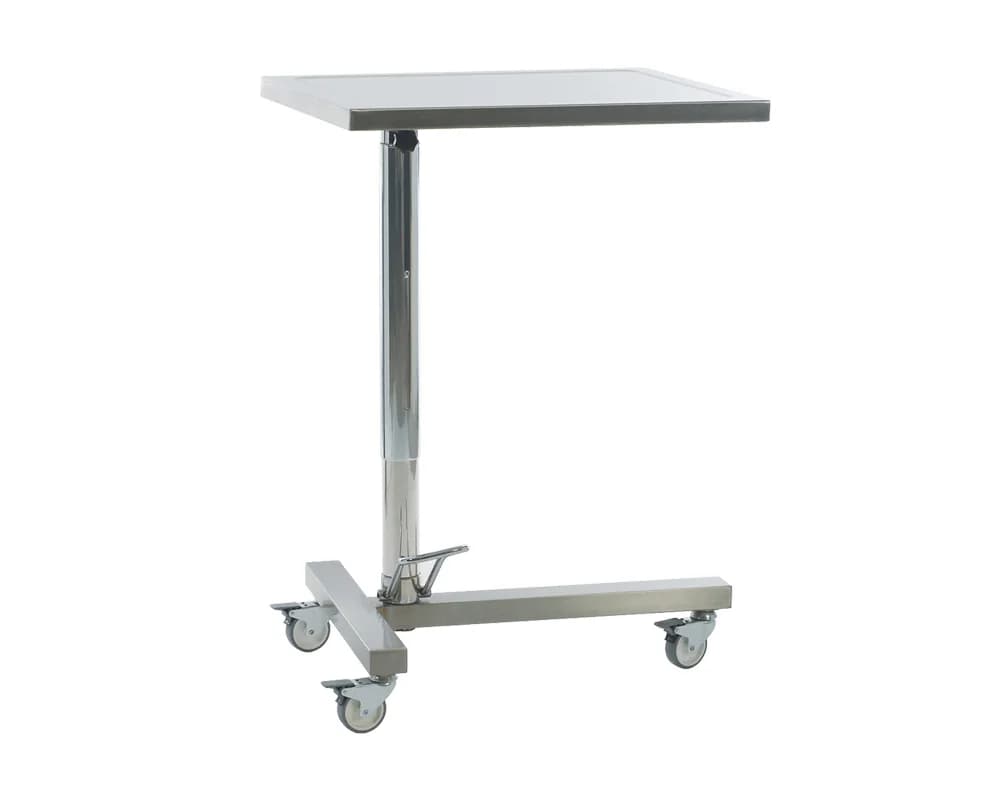
| Hospital, delivery and examination beds | 9 | manual hospital beds with drip stand, delivery beds, theatre tables |
| X-ray, C-arm and imaging | 8 | static DR X-ray, image intensifier (C-arm), X-ray with printer |
| Patient monitors and ICU equipment | 8 | multiparameter monitors, ventilators, blood gas monitoring |
| Centrifuges and haematocrit equipment | 7 | microhaematocrit centrifuge and reader, general centrifuge |
| Chemistry and electrolyte analysers | 6 and 4 | semi- and fully automatic chemistry analysers, ISE electrolyte analysers |
| Microscopes | 5 | binocular laboratory microscope, microscope with screen |
| Gloves, infusion sets, cannulas, syringes | 4 each group | nitrile and latex gloves, IV cannulas 18G–24G, infusion sets |
At least five laboratory requests list a complete starter set (analyser, centrifuge, microscope, incubator or water bath). About nine were for medicines, which follow NAFDAC's separate drug route. Several name an international brand; ask whether the Turkish supplier distributes it or offers its own model.
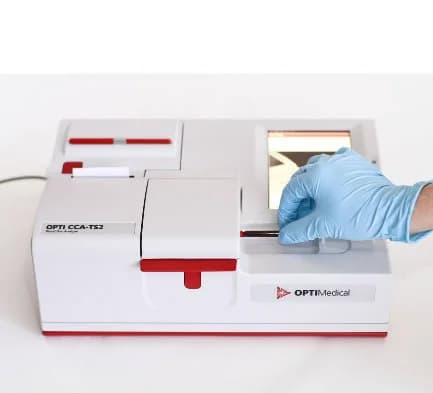
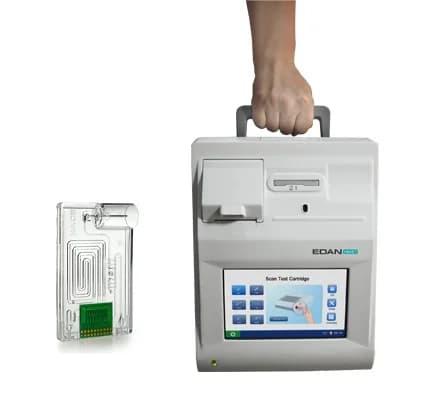
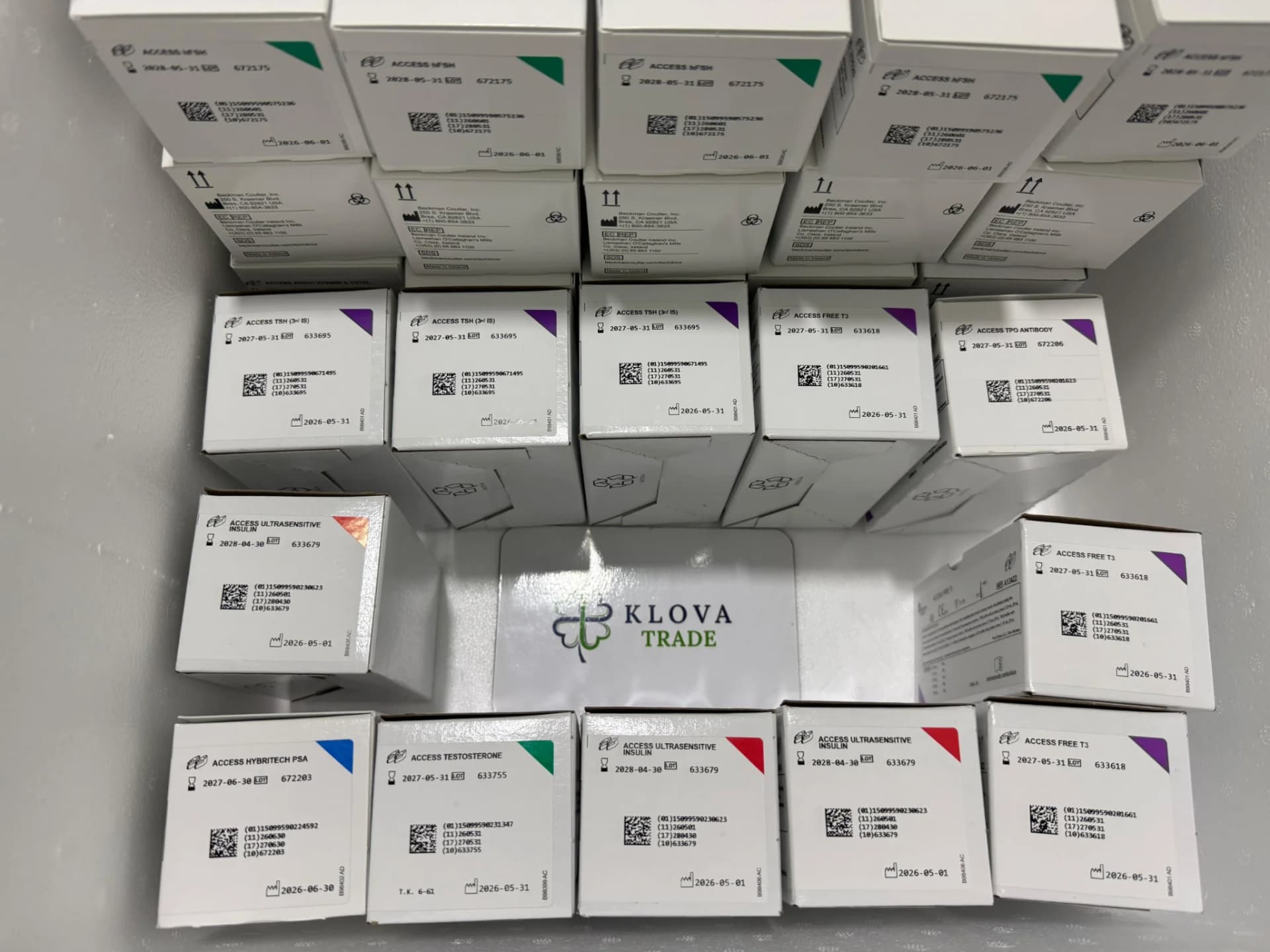
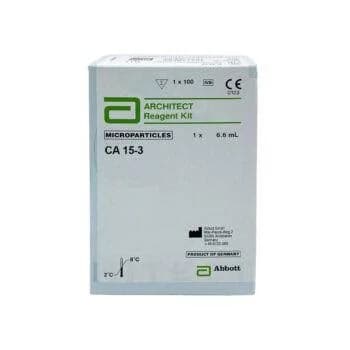

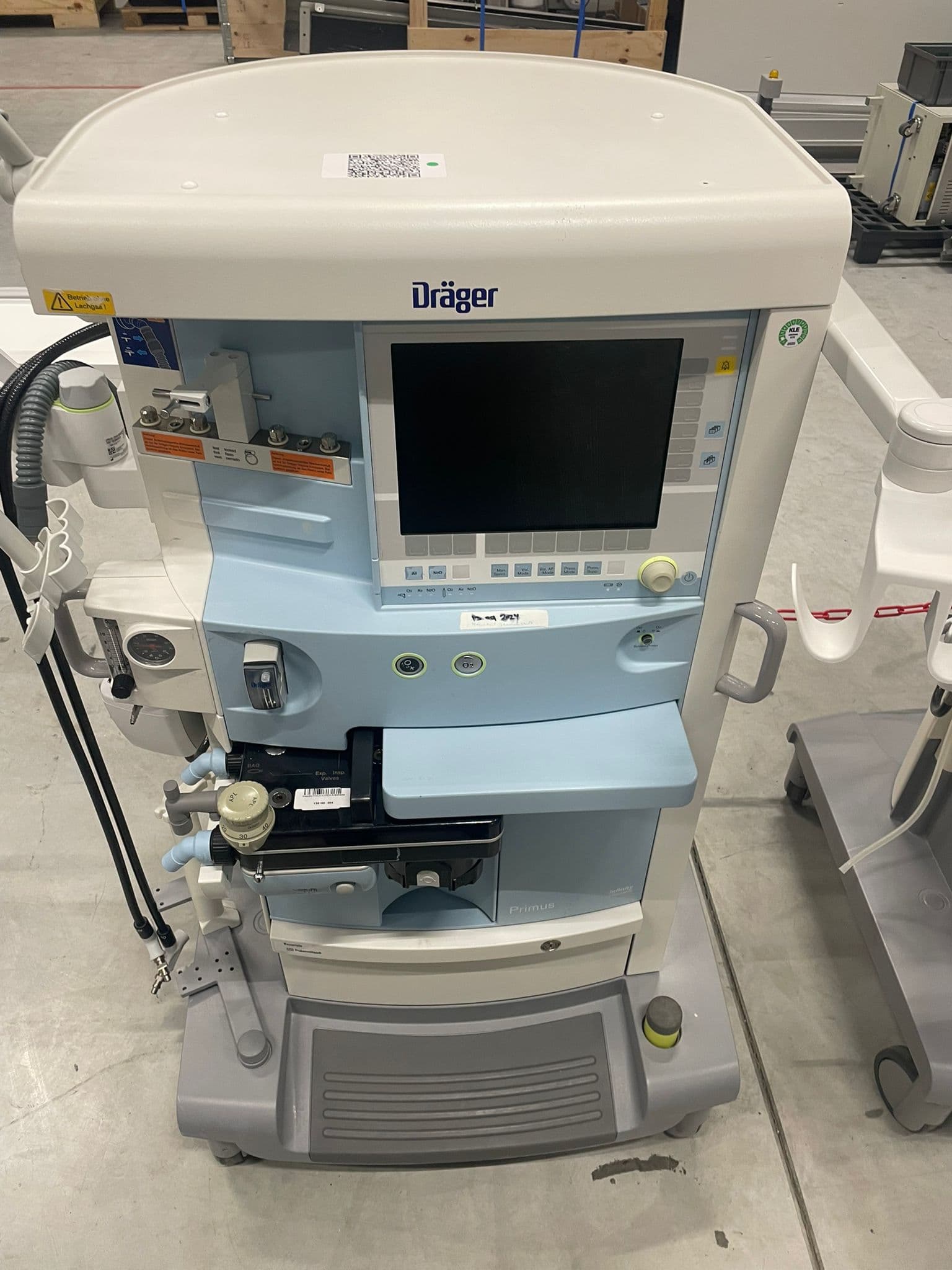
Browse laboratory equipment from Turkish manufacturers and hospital equipment, or see every category in what Nigerian buyers import from Turkey. Recent medical requests from African buyers:
How do you register a medical device with NAFDAC?
You register a medical device with NAFDAC by having a Nigerian company apply on the agency's NAPAMS portal under its guidelines for medical devices and in-vitro diagnostics (IVDs), in force since 10 April 2025; no medical device may be imported, sold or used in Nigeria unless it is registered. Each device, group or family needs its own application, and new applications for products on the Federal Government import prohibition list are not accepted.
| NAFDAC class | Risk level | Maximum processing time |
|---|---|---|
| A | low | 120 working days |
| B | low to moderate | 240 working days |
| C | moderate to high | 240 working days |
| D | high | 240 working days |
The clock stops while NAFDAC waits for corrections, and an application is closed if a query is not answered within 90 days. For a manufacturer outside Nigeria, the guideline asks for a power of attorney issued by the manufacturer and signed by its managing director, general manager, chairman or president, naming the products and giving 'authority to register product with NAFDAC', notarised in the country of manufacture and valid for at least five years. The Nigerian applicant adds its Corporate Affairs Commission registration and the brand's Nigerian trademark registration.
From the Turkish side the dossier needs a Certificate of Manufacture and Free Sale from the health regulator of the country where the device is made, authenticated by the Nigerian Embassy, plus the quality management system certificate (usually ISO 13485), a declaration of conformity, a certificate of analysis, labels and instructions for use, and a letter inviting NAFDAC to inspect the factory. Turkey's medical devices agency (TİTCK) issues free sale certificates only for devices made by a domestic manufacturer, so a Turkish distributor of an imported device cannot supply one. Registration is valid for five years.
Does medical equipment need SONCAP in Nigeria?
Medical equipment may need SONCAP in Nigeria as well as NAFDAC registration: the Standards Organisation of Nigeria exempts 'medicals, other than equipment and machines' from SONCAP, so consumables and medicines are outside it but analysers, beds, monitors and imaging machines are not covered by that exemption. Ask an accredited SONCAP partner in Turkey whether your exact item needs certification before production ends.
Where SONCAP applies, the exporter's Product Certificate is used to open the e-Form M, and the importer receives a SONCAP Certificate for each consignment after inspection in Turkey; since 27 March 2026 these run through Nigeria's National Single Window, where the NAFDAC registration is also validated. The full sequence is in importing from Türkiye to Nigeria.
X-ray equipment has its own regulator: under Nigeria's 2006 radiation safety regulations for diagnostic and interventional radiology, importing, distributing or selling X-ray systems needs authorisation from the Nigerian Nuclear Regulatory Authority (NNRA), which charges an import licence per X-ray machine; the hospital needs a separate operating licence. CT scanners and C-arms follow the same route.
What does it cost to import medical equipment into Nigeria?
Importing medical equipment into Nigeria costs the import duty for each HS code, levies on the customs value, NAFDAC registration, SONCAP and NNRA fees where they apply, and cargo insurance from a Nigerian insurer. VAT deserves a separate check: the Nigeria Tax Act 2025, in force since 1 January 2026, zero-rates medical equipment and medical and pharmaceutical products, subject to conditions in the Act.
| Cost item | What to check |
|---|---|
| Import duty | the ECOWAS common external tariff rate for the confirmed HS code of each item |
| Levies | the surcharge and other levies on the customs value; see our Nigeria import duty guide |
| VAT | zero-rated for medical equipment and medical and pharmaceutical products under the Nigeria Tax Act 2025; ask your agent how it is applied at clearance |
| NAFDAC | registration of each device (once, valid five years) and laboratory testing of samples |
| SONCAP | Product Certificate and inspection in Turkey, where the item is not exempt |
| NNRA | import licence per X-ray machine and the facility licence |
| Cargo insurance | must be placed with a Nigerian insurer, so buy FOB or CFR rather than CIF |
Classification matters for beds: a hospital bed with mechanical fittings is normally medical furniture under HS 9402, while a plain bed can fall under furniture heading 9403, which earlier Nigerian prohibition lists covered. Have a licensed customs agent confirm every HS code before you open the e-Form M; see clearing agents in Nigeria and Ghana.
Is Turkey a good source of medical equipment for Nigeria?
Turkey is a strong source of hospital furniture and also exports medical instruments in volume: according to UN Comtrade, its 2025 exports included 655 million dollars of medical, surgical and dental instruments (HS 9018) and 224 million dollars of orthopaedic appliances (9021). Nigeria buys little of this from Turkey so far: 0.8 million dollars of HS 9018 instruments and 0.6 million dollars of medical furniture in 2025, while Nigeria imported 63 million dollars of HS 9018 instruments from all sources in 2025.
Turkey is a net exporter of medical furniture such as hospital beds (101 million dollars of exports against 28 million of imports in 2025, UN Comtrade) and exports dressings and other consumables, but it imports more medical instruments, orthopaedic appliances and laboratory and imaging equipment than it exports, so many analysers, monitors and imaging machines sold from Turkey are international brands handled by Turkish distributors. Ask each supplier whether it is the manufacturer or a distributor: that decides who signs the NAFDAC power of attorney, whose free sale certificate you need and who provides installation and spare parts.
| What you need | Tafric category | Guide |
|---|---|---|
| Analysers, centrifuges, microscopes, reagents | Laboratory materials and equipment | Laboratory equipment and reagents from Turkey |
| Hospital beds, delivery beds, theatre tables, anaesthesia machines | Hospital equipment | Hospital beds and medical equipment from Turkey |
| Gloves, cannulas, infusion sets, dressings | Medical consumables | Medical consumables from Turkey |
| Oxygen generators and manifolds | Medical gas systems | — |
How do you choose a haematology analyser from Turkey for a Nigerian lab?
A haematology analyser for a Nigerian lab should be chosen by its differential (3-part or 5-part), daily sample load, reagent system and service, because these decide both the purchase price and the cost of every test. A 3-part analyser separates white cells into three groups and suits many smaller clinic labs; a 5-part analyser gives a fuller differential for larger labs and hospitals.
| What decides the price | Why it matters | What to ask the supplier |
|---|---|---|
| 3-part or 5-part differential | 5-part instruments are more complex and dearer to run | which parameters are reported |
| Throughput | samples per hour should match your daily load | tests per hour, sample volume |
| Open or closed reagents | closed systems tie you to one reagent source | reagent price per test, shelf life, availability in Nigeria |
| Registration | analyser and reagents must both be NAFDAC-registered | registration status or who will register |
| Power and environment | unstable mains and heat damage electronics | 230 V/50 Hz, UPS and stabiliser, operating temperature |
| Service | installation, calibration and training keep it running | warranty, spare parts, local engineer |
Nigeria's mains supply is 230 volts at 50 hertz but unstable in many areas, so plan a UPS or voltage stabiliser for analysers, monitors and ultrasound machines. Refurbished devices are not exempt from NAFDAC registration.
A first order in six steps: 1) one list per room or lab bench with quantities and specifications; 2) the supplier's ISO 13485 certificate, declaration of conformity and free sale certificate; 3) NAFDAC registration, or the existing registration number; 4) SONCAP and, for X-ray, NNRA checks; 5) the e-Form M with insurance from a Nigerian insurer, buying FOB or CFR; 6) sea freight to Lagos, usually four to six weeks port to port; see shipping from Turkey to Nigeria.
On Tafric you post your medical or laboratory equipment request for free; Tafric checks it, and Turkish manufacturers and distributors in the category can contact you directly. List each item with its specification (analyser: 3-part or 5-part, tests per day; beds: functions and quantity), your delivery city and NAFDAC registration status. For Kenya, see importing medical devices into Kenya. Post your request.
Frequently asked questions
How do I register a medical device with NAFDAC?
A Nigerian company applies on NAFDAC's NAPAMS portal with the manufacturer's power of attorney, a free sale certificate from the country of manufacture authenticated by the Nigerian Embassy, the quality system certificate, declaration of conformity, labels and samples for testing. NAFDAC may inspect the factory.
How long does NAFDAC medical device registration take?
Under NAFDAC's April 2025 guidelines, class A devices take up to 120 working days and classes B, C and D up to 240. The clock stops while NAFDAC waits for corrections; the certificate is valid for five years.
Do medical devices need SONCAP in Nigeria?
Consumables and medicines are exempt, but SON's exemption covers 'medicals, other than equipment and machines', so analysers, beds, monitors and imaging machines may need SONCAP in addition to NAFDAC registration. Confirm with an accredited SONCAP partner.
Can I import fairly used medical equipment into Nigeria?
Refurbished medical devices are not exempt from NAFDAC registration, which has a separate good refurbishment practice guideline, and SON requires an import permit for refurbished commercial articles. Confirm the exact model can be registered before you buy.
Do I need a licence to import an X-ray machine into Nigeria?
Yes. Nigeria's radiation safety regulations require authorisation from the Nigerian Nuclear Regulatory Authority to import, distribute or sell X-ray systems, and the hospital needs a separate licence to operate the machine.
The Tafric Editorial Team writes export, import and shipping guides for trade between Türkiye, Africa and the Middle East. Articles use data from real buying requests published on Tafric (with no personal information, stating the period covered) and official sources such as customs authorities, trade ministries, UN Comtrade and the World Bank. Articles get a second review of figures and regulations before publication and are updated when rules change. Details: our Editorial policy page.