


ON THIS PAGE
Tafric request data as of November 28, 2026
Importing medical devices into Kenya from Turkey takes three approvals: the device must be registered with the Pharmacy and Poisons Board (PPB) through a local authorised representative, each shipment needs a KEBS PVoC certificate of conformity issued in Turkey before loading, and the importer then applies for a PPB import permit through the KenTrade single window. Medical was narrowly the largest category of Kenyan requests on Tafric (30 August–28 November 2026), led by ultrasound, gloves, lab analysers and beds.
Tafric is a B2B marketplace that connects Turkish manufacturers with African buyers: the buyer posts a request for free, Tafric checks it, and Turkish manufacturers in that category can contact the buyer directly.
What medical equipment do Kenyan buyers ask Turkish suppliers for?
Kenyan buyers ask Turkish suppliers mainly for diagnostic equipment, hospital beds and everyday consumables: 45 of the 244 requests that Kenyan buyers published on Tafric between 30 August and 28 November 2026 were for medical and healthcare products, narrowly ahead of clothing (45 against 43). The counts below come from reading the title and description of each medical request; one request can name several items, so the rows overlap.
| What Kenyan buyers asked for | Requests mentioning it (30 Aug–28 Nov 2026) | Typical wording |
|---|---|---|
| Ultrasound machines, colour Doppler, echo | 9 | 'ultrasound capable of performing echoes', 'colour and pulse wave Doppler', a spare probe |
| Examination and surgical gloves | 8 | latex or nitrile, powder-free, different sizes, wholesale for hospital resale |
| Laboratory analysers and lab equipment | 8 | haematology (full hemogram) analyser, auto chemistry analyser, electrolyte analyser, start-up kit for a medium-size lab |
| Hospital and delivery beds | 7 | manual and electric three-crank beds, delivery bed with leg section and Trendelenburg |
| Gauze, bandages, wound dressings | 7 | gauze rolls, crepe bandages, waterproof post-operative dressings, cotton wool |
| X-ray, CT, MRI, C-arm | 4 | usually inside a full hospital equipment list |
| Rapid tests and test strips | 4 | rapid test kits, haemoglobin and glucose test strips |
| Anaesthesia machines and patient monitors | 3 each | often requested together for a theatre or ICU |
| Dialysis and renal | 3 | haemodialysis consumables, dialysis machines with a water treatment plant |
| Orthopaedic and mobility aids | 3 | axillary crutches, wheelchairs, plaster cutters |
Order sizes range from a single analyser for a private lab to ward-scale lists, and at least six requests listed the equipment for a whole clinic or hospital in one go: beds, ultrasound, X-ray, monitors, an anaesthesia machine and lab analysers. Several requests also name a specific international brand. A Turkish supplier may distribute that brand or supply an equivalent model, so ask which it is before you compare prices.


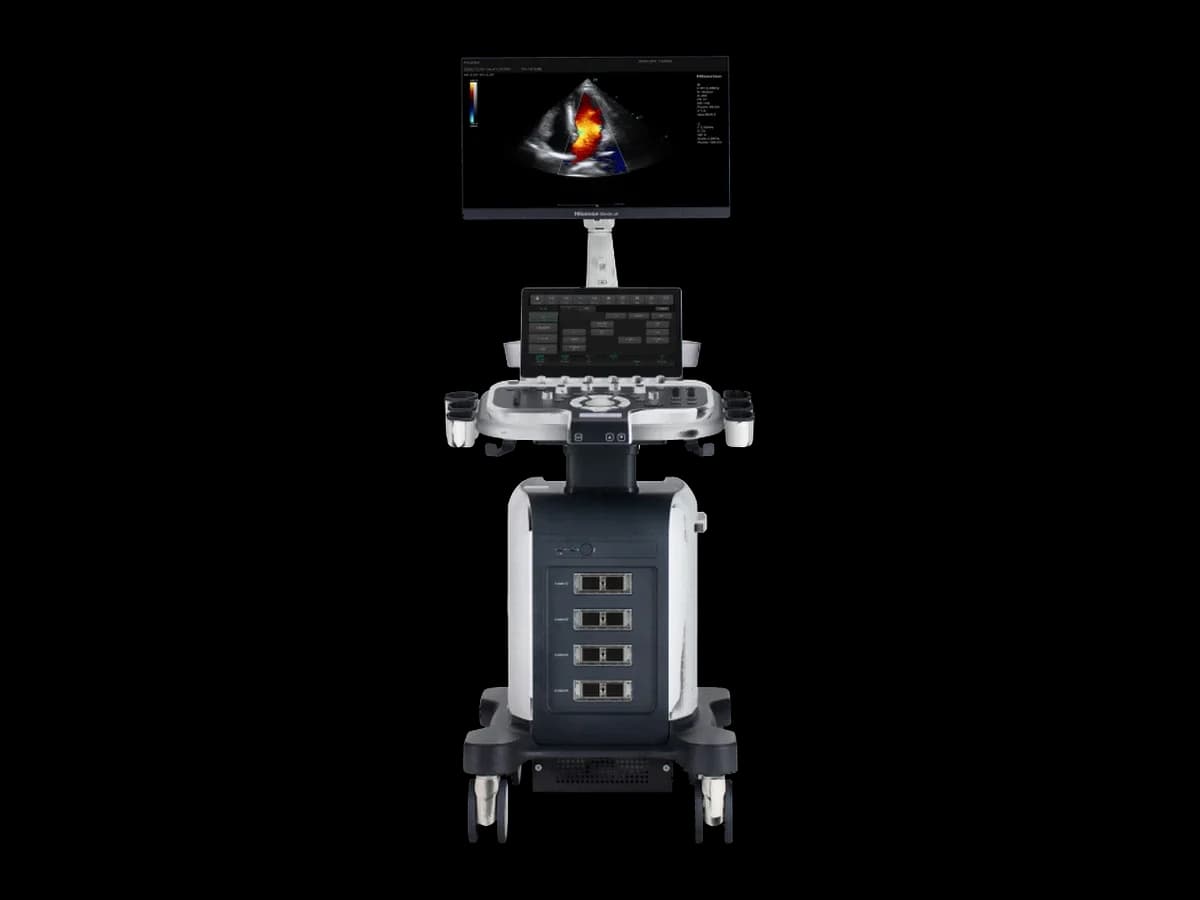

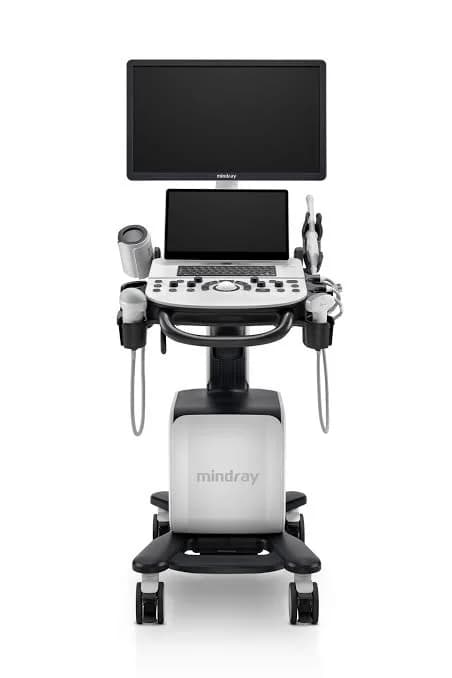
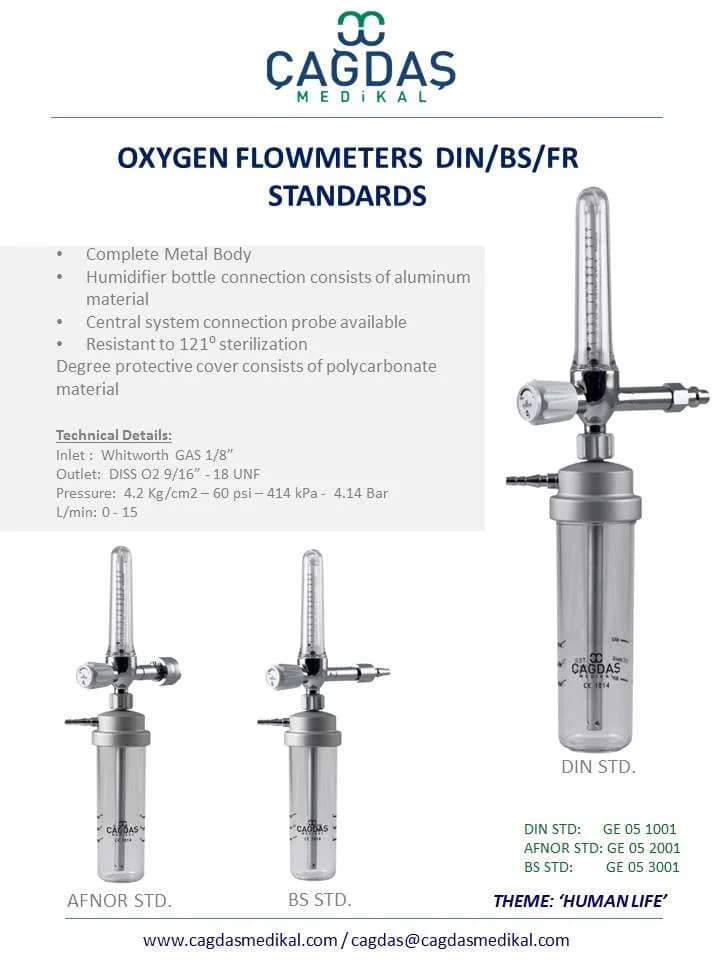
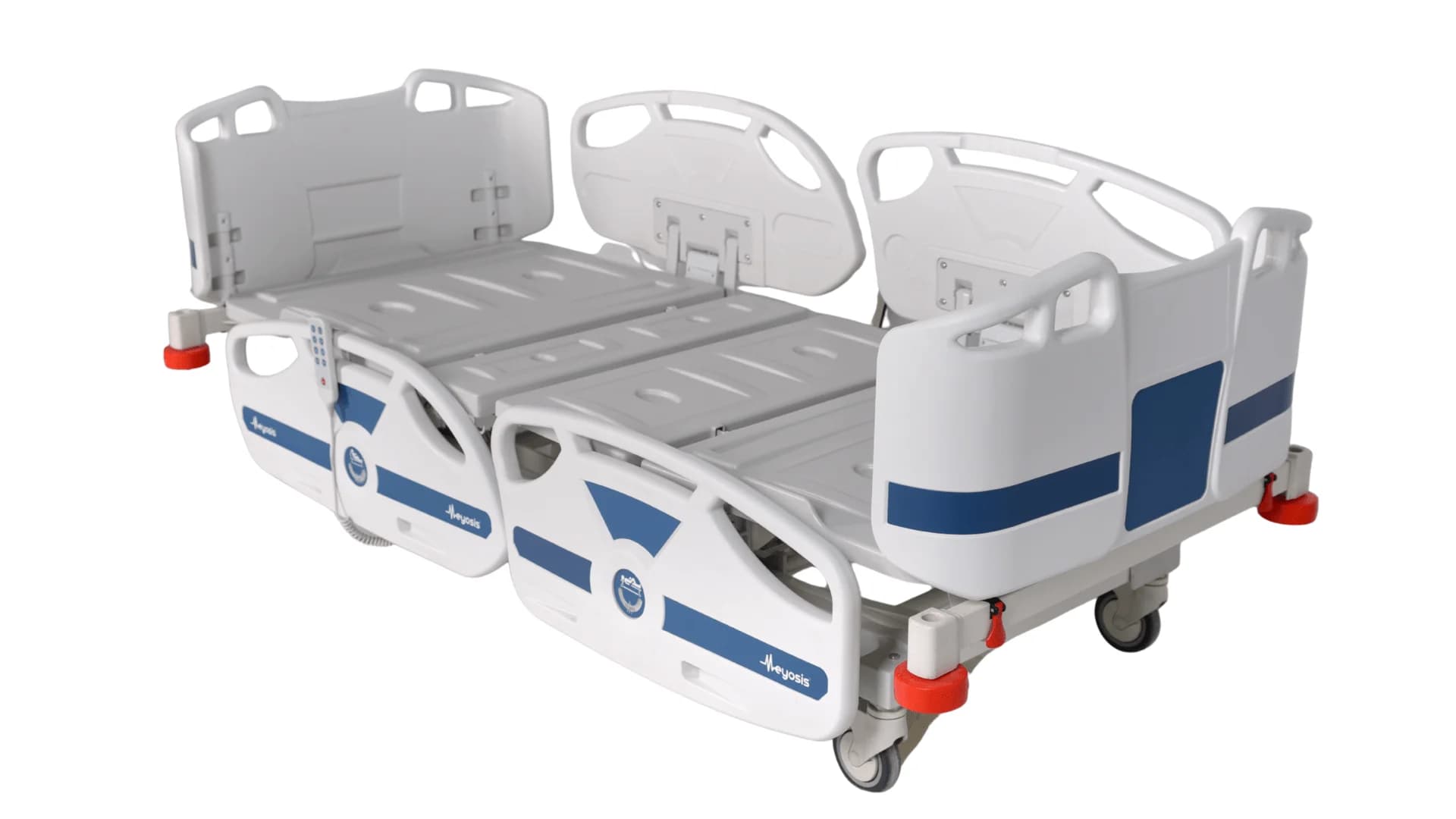
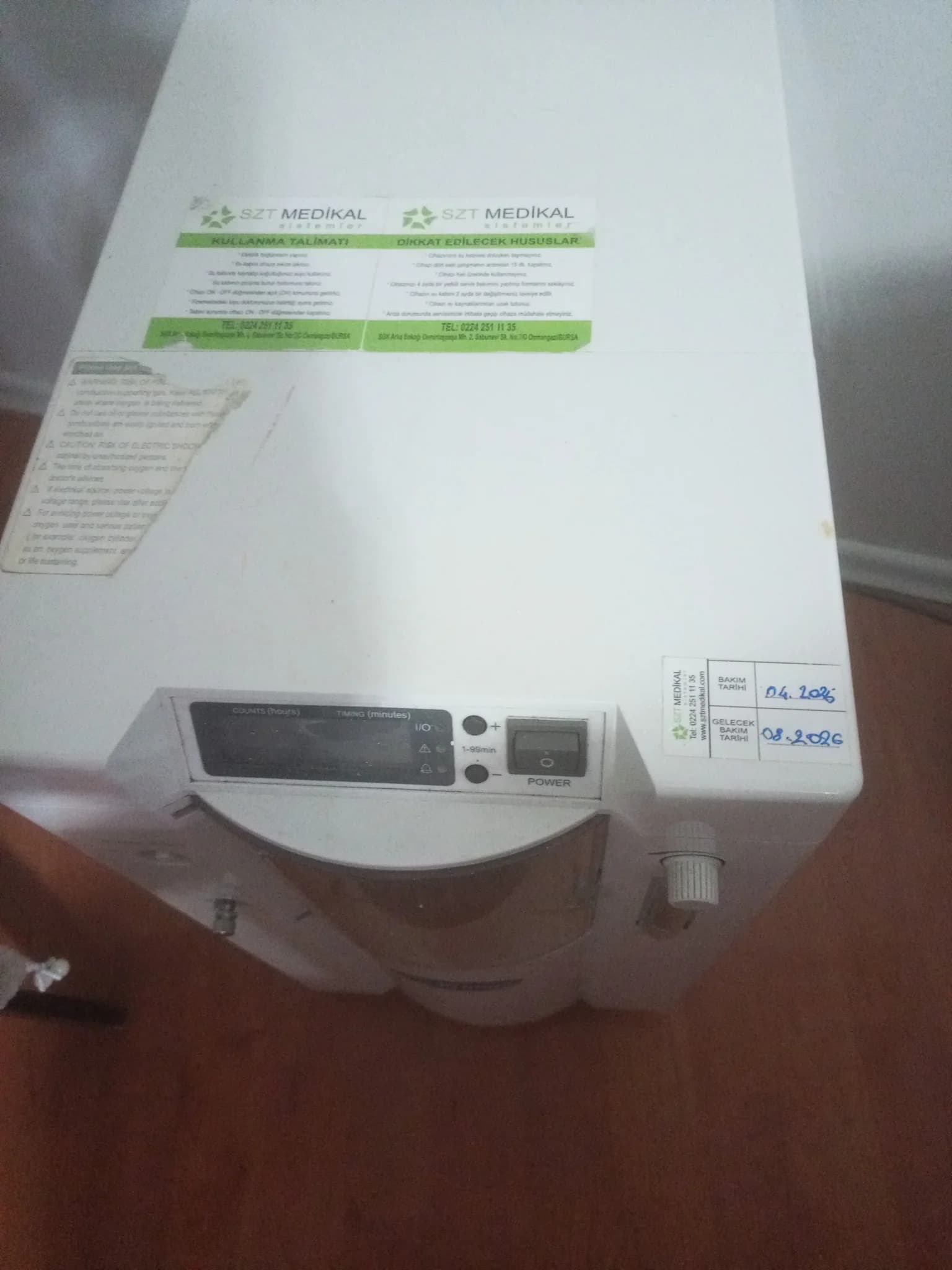
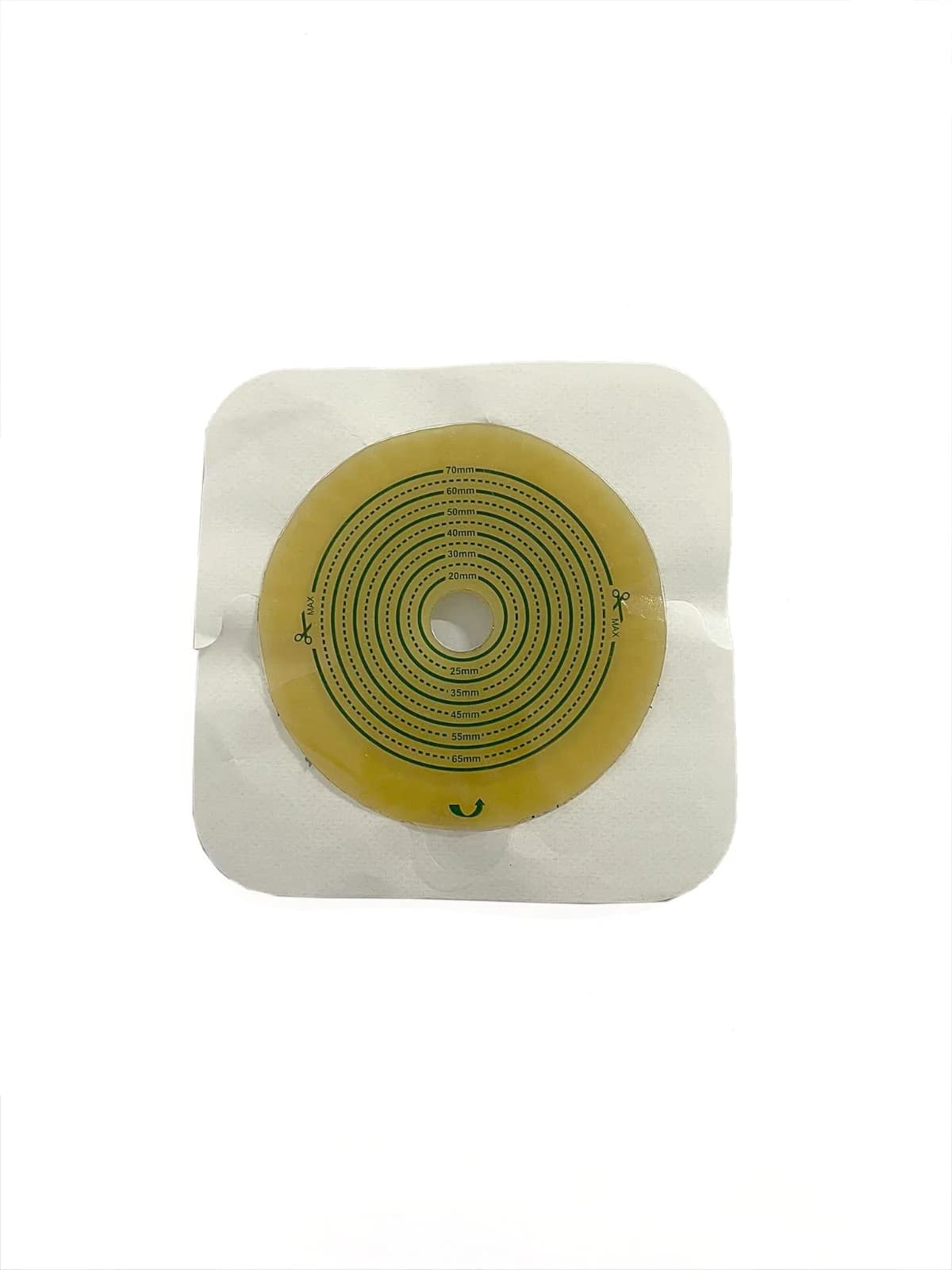
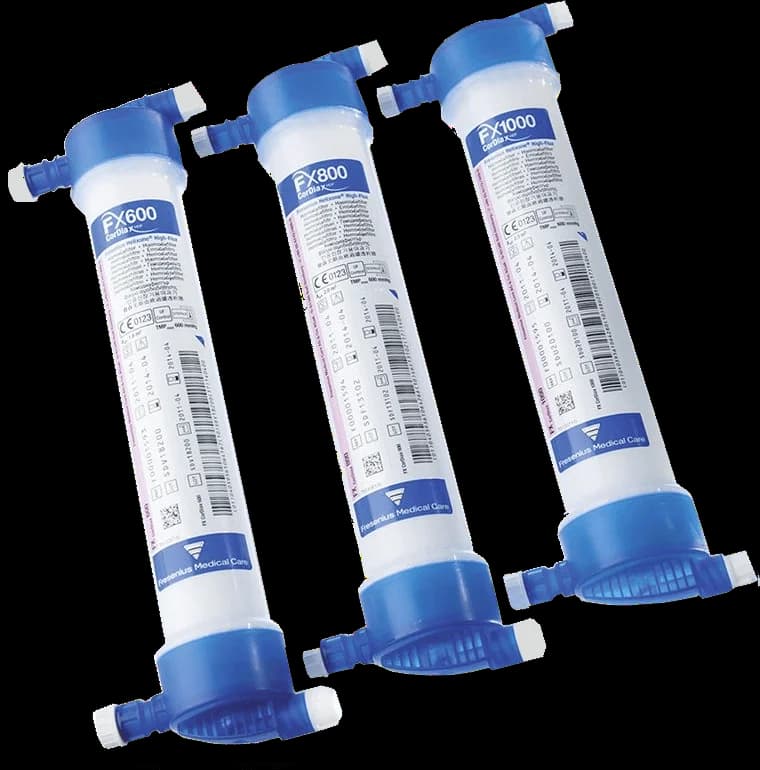

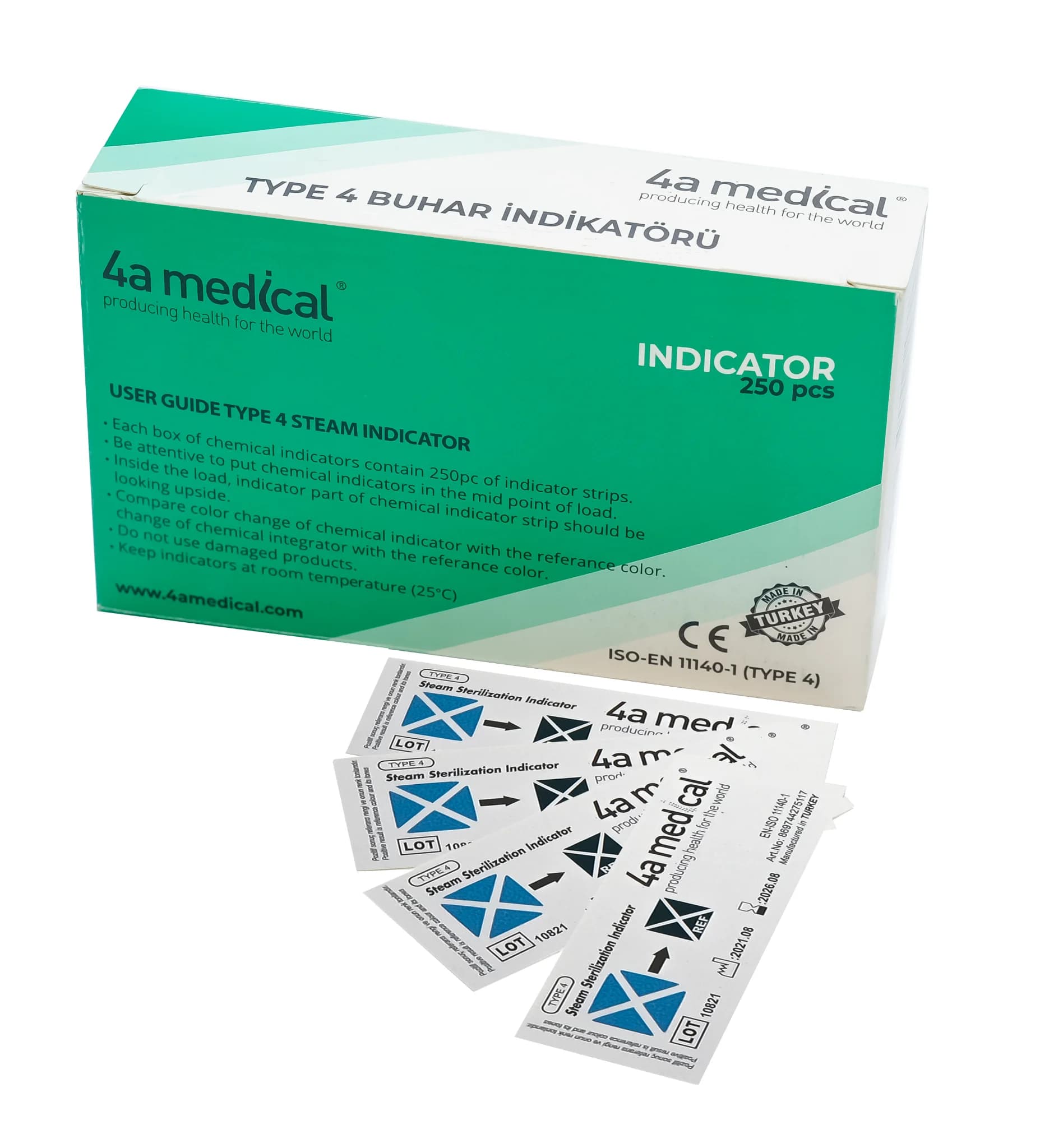
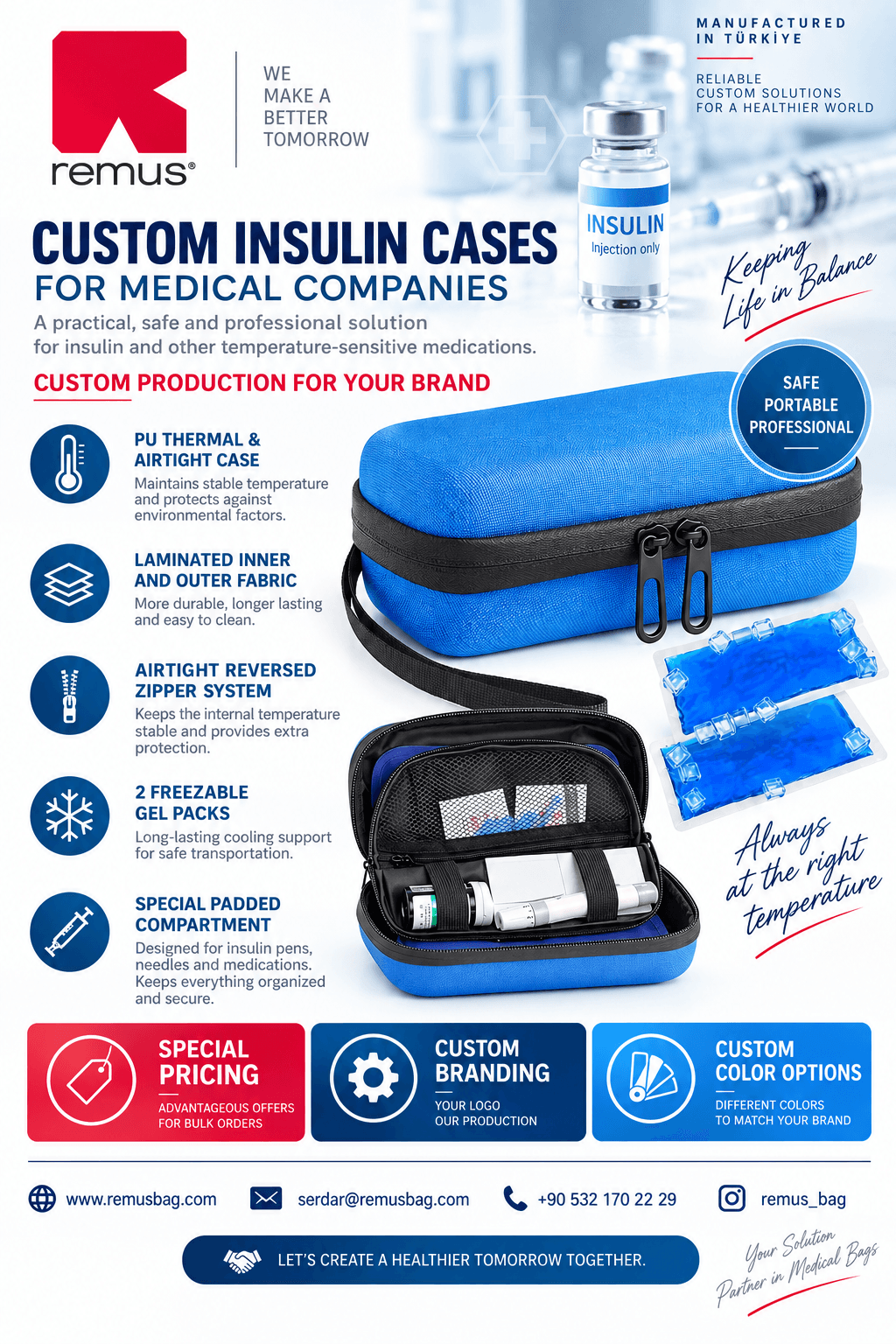
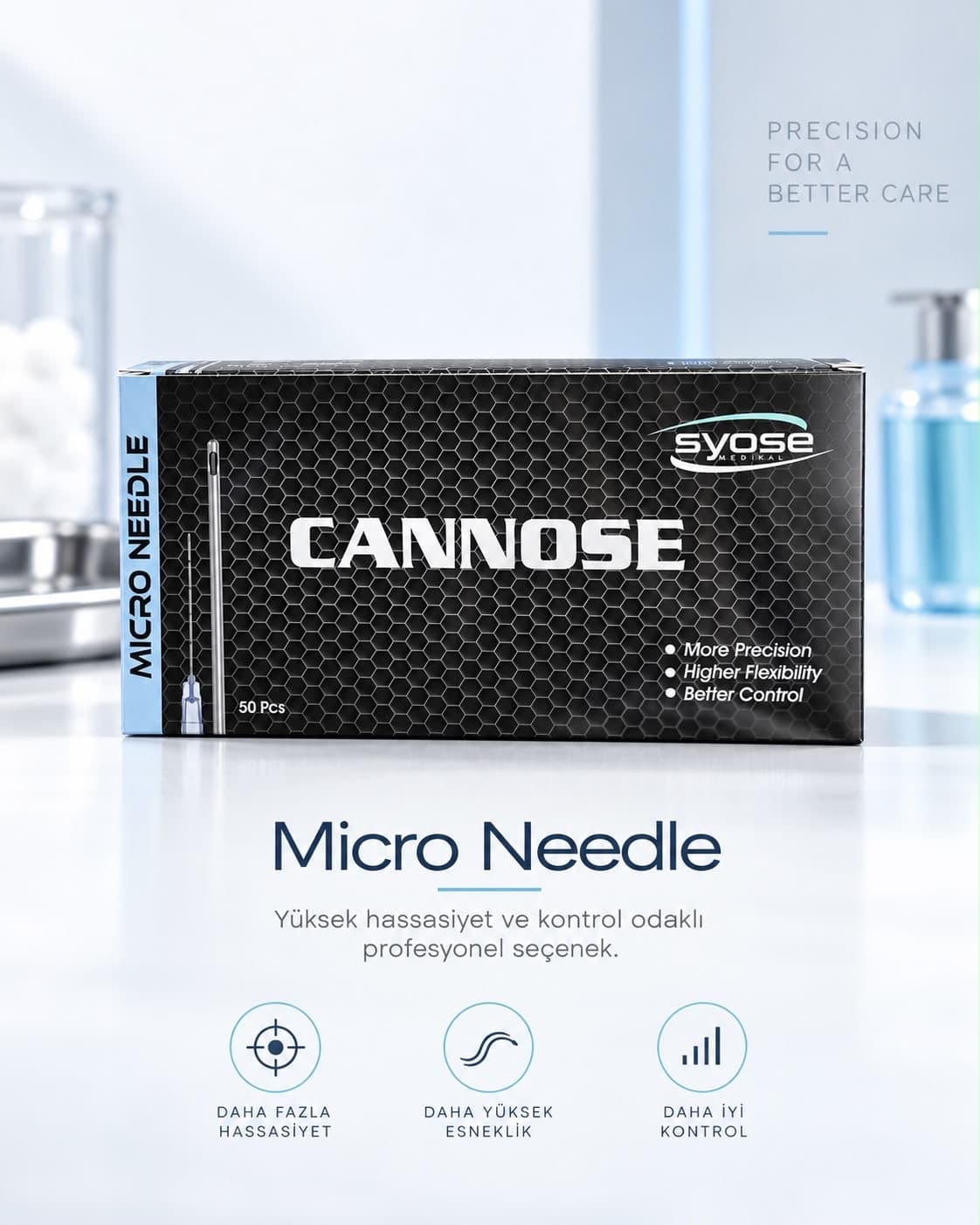
Browse medical devices from Turkish manufacturers and medical consumables, or see the wider picture in what Kenyan buyers import from Turkey. These are the latest medical requests on Tafric:


How does PPB medical device registration work in Kenya?
PPB medical device registration in Kenya is a product-by-product approval: the Pharmacy and Poisons Board classifies each device and in-vitro diagnostic (IVD) into risk class A, B, C or D, and a manufacturer based outside Kenya must appoint a Kenyan local authorised representative (LAR) who applies on its behalf through the PPB's online portal, PRIMS. The PPB registers the LARs themselves, and each product can have only one LAR.
| PPB class | Risk | Examples in the PPB guideline |
|---|---|---|
| A | low | cotton wool, bandages, urine collection bottles, compression hosiery, hospital beds |
| B | low to moderate | urinary catheters, tracheal tubes, orthodontic materials |
| C | moderate to high | long-term contact lenses, catheters with sealed radioisotopes |
| D | high | pacemakers, implantable defibrillators, heart valves, cardiovascular stents |
For a Turkish manufacturer, the dossier is built from documents it should already hold: the ISO 13485 quality system certificate, the declaration of conformity and, for higher-risk devices, the notified body certificate behind the CE mark, the technical file, labels and instructions for use. The PPB guideline says English labelling is sufficient. The published fee table charges imported devices 100 dollars for class A, 200 dollars for class B and 1,000 dollars for class C and D, plus an annual retention fee; check the current figures with the PPB before you budget.
In practice the Kenyan distributor often acts as the LAR, so agree in writing who owns the registration if you later change supplier. The PPB is still Kenya's regulator in November 2026; a bill to replace it with a Health Products and Technologies Regulatory Authority passed the National Assembly in November 2024 and was still at second reading in the Senate in 2026, so watch for changes to forms and fees.
Do medical devices need a KEBS PVoC certificate?
Yes: medical devices shipped to Kenya need a KEBS PVoC certificate of conformity, while medicines and diagnostic reagents regulated by the PPB are exempt from the programme. The KEBS PVoC Operations Manual version 15 of 19 February 2026 lists the PPB exemptions by HS code (medicaments in 3003 and 3004, blood products in 3002, reagents for medical diagnosis in 3822.19 and a few others); devices such as beds, gloves, syringes, dressings, ultrasound machines and analysers are not on that list (ostomy appliances, HS 3006.91, are a rare device exception).
Turkey is in PVoC Zone 7, where the appointed inspection companies are SGS, Intertek, TÜV Rheinland and Bureau Veritas. For medical equipment, but not for consumables, the manual accepts the manufacturer's own test reports together with a PPB permit, provided the manufacturer's laboratory is ISO 13485 certified; consumables are tested as usual. The 'PPB permit' in that route is the product's PPB registration or approval; the import permit for the consignment is applied for after the certificate of conformity is issued. Original manufacturer spare parts for medical equipment can be cleared on the invoice and the manufacturer's warranty. Used or second-hand goods can only be certified under Route A, consignment inspection and testing.
The order of steps matters. Since 2017 KEBS and the PPB have asked importers to obtain the certificate of conformity first and then apply for the PPB import permit for the consignment through KenTrade, the Kenya National Electronic Single Window. A consignment that reaches Mombasa without a certificate goes to destination inspection, which costs 5% of the customs value before testing, storage and demurrage. The full PVoC process is explained in our guide to importing from Türkiye to Kenya.
What does it cost to clear medical equipment at Mombasa?
Clearing medical equipment at Mombasa costs the import duty and VAT that apply to the HS code, plus the Import Declaration Fee of 2.5% and the Railway Development Levy of 2% on the customs value, plus the PVoC inspection fee paid in Turkey. Under the East African Community common external tariff many medical instruments carry a low or zero duty, syringes (HS 9018.31) are at 0%, for example, but rates differ line by line and member states apply exceptions every year.
| Cost item | What to check |
|---|---|
| Import duty | the EAC rate for your exact HS code in the 2026/27 tariff |
| VAT | Kenya's standard rate is 16%; some medical supplies are exempt, so ask your agent which applies |
| IDF and RDL | 2.5% and 2% of the customs value |
| PVoC inspection | Route A is about 0.60% of the FOB value, with a minimum of about 300 dollars and a maximum of about 3,500 dollars |
| PPB | product registration (once) and the import permit for each consignment |
| X-ray equipment | an import licence and a licence to possess and use the device from the Kenya Nuclear Regulatory Authority |
| Marine insurance | must be placed with a Kenyan insurer, so buy FOB or CFR rather than CIF |
Radiation equipment deserves its own line in the plan: under the Nuclear Regulatory Act of 2019, X-ray machines, CT scanners and C-arms need an import authorisation from the Kenya Nuclear Regulatory Authority, and the hospital needs a separate licence to operate the device. Before the goods leave Turkey, have a licensed clearing agent work out the full landed cost from the confirmed HS code of each item.
What medical products does Turkey make and export?
Turkey's medical exports are led by instruments and appliances: the country exported 655 million dollars of medical, surgical and dental instruments (HS 9018) in 2025, 224 million dollars of orthopaedic appliances (9021) and 101 million dollars of medical furniture such as hospital beds (9402), according to UN Comtrade data. Exports to Kenya are still small: 1.7 million dollars of HS 9018 instruments in 2025, against 0.6 million dollars in 2024, while Kenya imported 79 million dollars of such instruments from all sources in 2024.
That gap is why Kenyan buyers who source from Turkey should ask each supplier what it makes itself. Turkish factories produce hospital furniture (beds, stretchers, trolleys, cabinets), many consumables and dressings, orthopaedic products and medical gas systems; imaging and monitoring devices are often international brands sold by Turkish distributors, and that decides who provides installation, warranty and spare parts. A large share of the world's examination gloves is made in Southeast Asia, so a Turkish glove supplier may be a trader rather than a manufacturer. Find suppliers by product group on Tafric:
| What you need | Tafric category | Guide |
|---|---|---|
| Hospital beds, delivery beds, theatre tables | Hospital equipment | Hospital beds and medical equipment from Turkey |
| Gloves, gauze, syringes, dressings, sterilisation indicators | Medical consumables | Medical consumables from Turkey |
| Analysers, reagents, lab equipment | Laboratory materials and equipment | Laboratory equipment and reagents from Turkey |
| Crutches, wheelchairs, braces | Orthopaedics | — |
How do you order medical equipment from Turkey for Kenya, step by step?
A first medical order from Turkey to Kenya goes smoothly when registration, the PVoC route and the power specification are settled before production starts.
1) Make one list per ward or room, with quantities and specifications: for an ultrasound the probes and Doppler functions, for an analyser the tests and daily sample load, for beds the number of functions and the mattress. 2) Ask each supplier whether it manufactures or distributes the item, and for its ISO 13485 certificate, declaration of conformity and, where needed, notified body certificate. 3) Confirm with your LAR or regulatory adviser whether each item is already registered with the PPB and how long registration will take. 4) Specify Kenya's mains supply of 240 volts and 50 hertz with UK-type (G) plugs, and agree installation support, training, the warranty period and the supply of spare parts in writing. 5) Book the PVoC inspection with a Zone 7 company once the goods are ready, then apply for the PPB import permit. 6) Ship by sea, buying FOB or CFR: Turkish ports to Mombasa usually take 25 to 35 days port to port, and 40 days or more with transhipment.
Refurbished or 'fairly used' equipment needs extra care: it is certified only under PVoC Route A, and you should confirm with the PPB before ordering that the model can be registered and imported in that condition. Post your medical equipment request on Tafric with your list and city to reach Turkish suppliers in the category.
How Tafric helps Kenyan buyers of medical equipment
On Tafric you post your medical equipment or supplies request for free; Tafric checks it, and Turkish manufacturers and distributors in the category can contact you directly. Write the items, quantities, specifications, your delivery city and whether the products are already registered with the PPB, so suppliers can answer with the right documents. Post your request.
Frequently asked questions
How do I import medical devices into Kenya?
Register the device with the Pharmacy and Poisons Board through a Kenyan local authorised representative, obtain a KEBS PVoC certificate of conformity in the exporting country before loading, then apply for the PPB import permit for the consignment through KenTrade. A licensed clearing agent lodges the customs entry at Mombasa.
What is PPB medical device registration?
It is the Pharmacy and Poisons Board's product approval for medical devices and IVDs. Devices are classified A to D by risk, and a manufacturer outside Kenya applies through a registered local authorised representative on the PPB's PRIMS portal.
Are hospital beds a class A device in Kenya?
The PPB guideline lists hospital beds among its class A (low-risk) examples, together with cotton wool, bandages and urine collection bottles. Class A devices still need registration; confirm the class of your exact model with your representative.
Do medical devices need a PVoC certificate in Kenya?
Yes. The KEBS PVoC manual of February 2026 exempts medicines and diagnostic reagents regulated by the PPB, but not medical devices, so beds, gloves, syringes, dressings, ultrasound machines and analysers need a certificate of conformity before shipment.
Can I buy medical equipment from Turkey for Kenya?
Yes. Kenyan buyers on Tafric ask Turkish suppliers for ultrasound machines, gloves, hospital beds, laboratory analysers and dressings. Ask whether the supplier manufactures or distributes each item, and check PPB registration before you pay.
Do I need a licence to import an X-ray machine into Kenya?
Yes. Under the Nuclear Regulatory Act of 2019, importing an X-ray machine, CT scanner or C-arm needs an import authorisation from the Kenya Nuclear Regulatory Authority, and the user needs a separate licence to possess and operate it.
The Tafric Editorial Team writes export, import and shipping guides for trade between Türkiye, Africa and the Middle East. Articles use data from real buying requests published on Tafric (with no personal information, stating the period covered) and official sources such as customs authorities, trade ministries, UN Comtrade and the World Bank. Articles get a second review of figures and regulations before publication and are updated when rules change. Details: our Editorial policy page.