



ON THIS PAGE
Tafric request data as of November 26, 2026
A cold room price in Zimbabwe is set by the inside size, the storage temperature, the kilograms of product entering each day, the power supply and the delivery to your town. A chiller room for vegetables and a blast freezer for chicken of the same size can differ several times in price, so compare suppliers on one written specification. An imported cold room also needs a CBCA certificate and an Ozone Office import licence.
Tafric is a B2B marketplace that connects Turkish manufacturers with African buyers: the buyer posts a request for free, Tafric checks it, and Turkish manufacturers in that category can contact the buyer directly.
What decides a cold room price in Zimbabwe?
The price of a cold room in Zimbabwe depends first on the refrigeration load, meaning the temperature you need and how much warm product enters each day, and then on the panels, the power backup and the delivered cost to your town.
| Price factor | Why it matters | What to write in your request |
|---|---|---|
| Inside size | sets the panel area, doors and floor | e.g. 3 × 4 × 2.6 m inside |
| Temperature | a freezer room needs thicker panels and a bigger unit than a chiller room | +2 to +4 °C for leafy vegetables, -18 to -22 °C for meat |
| Daily load | warm product entering every day decides the unit's capacity | e.g. 500 kg of fresh meat per day at +8 °C |
| Panels | thickness in mm, core (PU or PIR), floor insulation | 100 mm for chiller, thicker for freezer, insulated floor or not |
| Refrigeration unit | monoblock or split; condenser rated for hot days | refrigeration capacity in kW at your temperature |
| Power | grid, generator, solar or hybrid | single or three phase, generator size, solar wanted or not |
| Scope and delivery | panels only, complete kit, or installed | CFR Beira or Durban, or delivered to Harare |
On top of the equipment, the landed price in Zimbabwe includes sea freight to Beira or Durban, the road leg and border crossing, the CBCA certificate, import duty on the exact HS code, VAT at 15.5% (the standard rate since 1 January 2026), clearing agent fees and installation. Local price lists usually include some of these and not others, so ask what each figure covers. For the duty arithmetic, see our ZIMRA import duty calculator guide.
What cold rooms do Zimbabwean buyers ask for?
Zimbabwean buyers on Tafric most often ask for a blast freezer, sometimes together with a cold room to store the frozen product, and many of these requests come from butcheries, poultry and fish businesses. Other requests ask for complete chiller rooms, container-type cold rooms, solar-powered cold rooms, or only the refrigeration side: condensing units with matching evaporators (blower coils) for a room that already exists.
| Business | Room usually needed | Typical temperature |
|---|---|---|
| Butchery or meat shop | freezer room, sometimes a chiller room for fresh cuts | -18 to -22 °C; 0 to +4 °C |
| Poultry abattoir or broiler farm | blast freezer plus freezer room | air about -30 to -40 °C in the blast freezer; -18 to -25 °C storage |
| Fish trader | blast freezer or freezer room | -18 to -25 °C storage |
| Fruit and vegetable seller | chiller room | about +2 to +8 °C for most vegetables and apples; bananas and tomatoes need warmer rooms (around +12 to +14 °C), so list what you will store |
If you freeze your own chickens, you need both a blast freezer and a freezer room. Our guide to blast freezer prices and sizing explains how to size one from the kilograms you freeze per day, and the cold room buyer's guide covers panels, doors and installation.
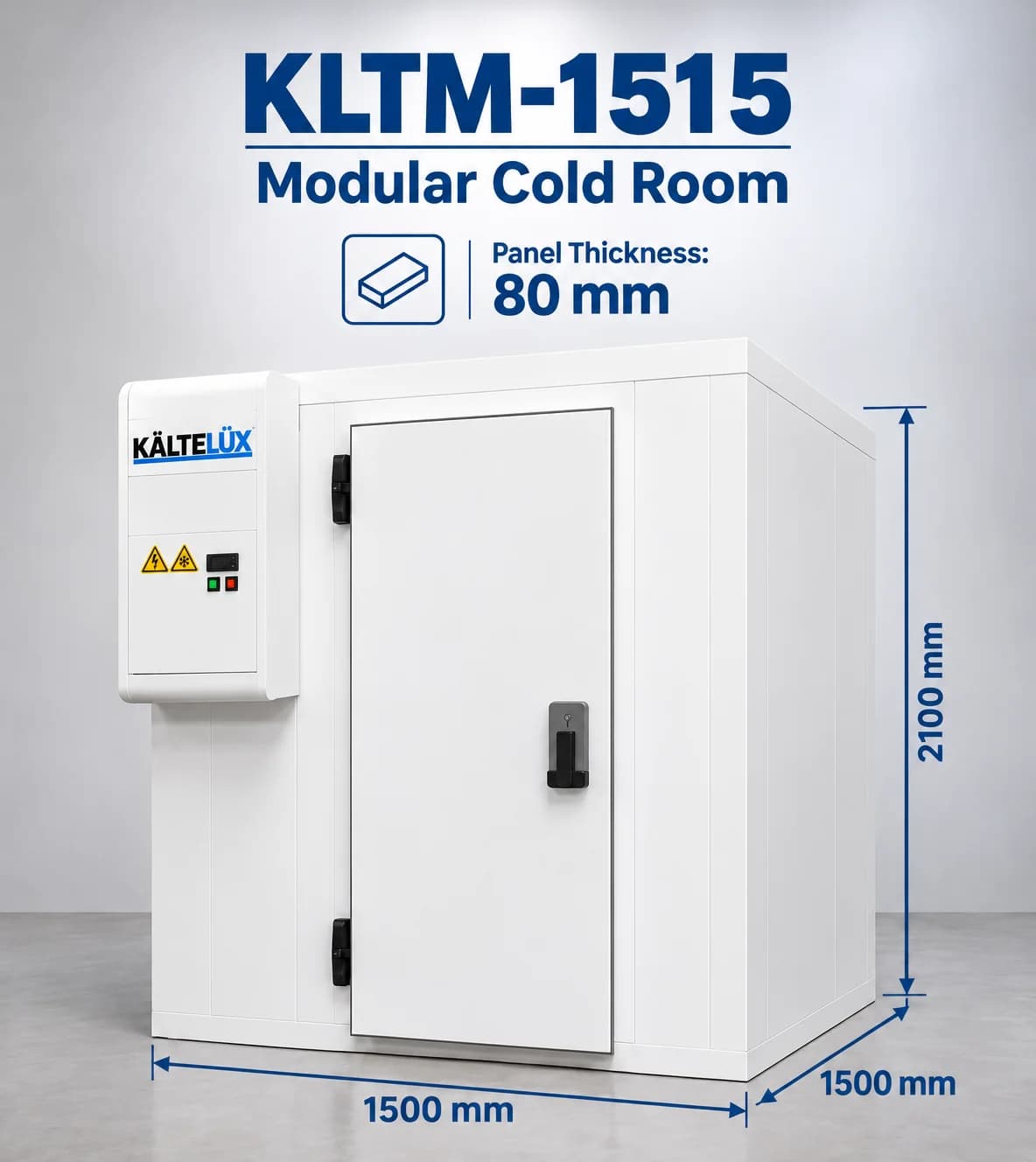



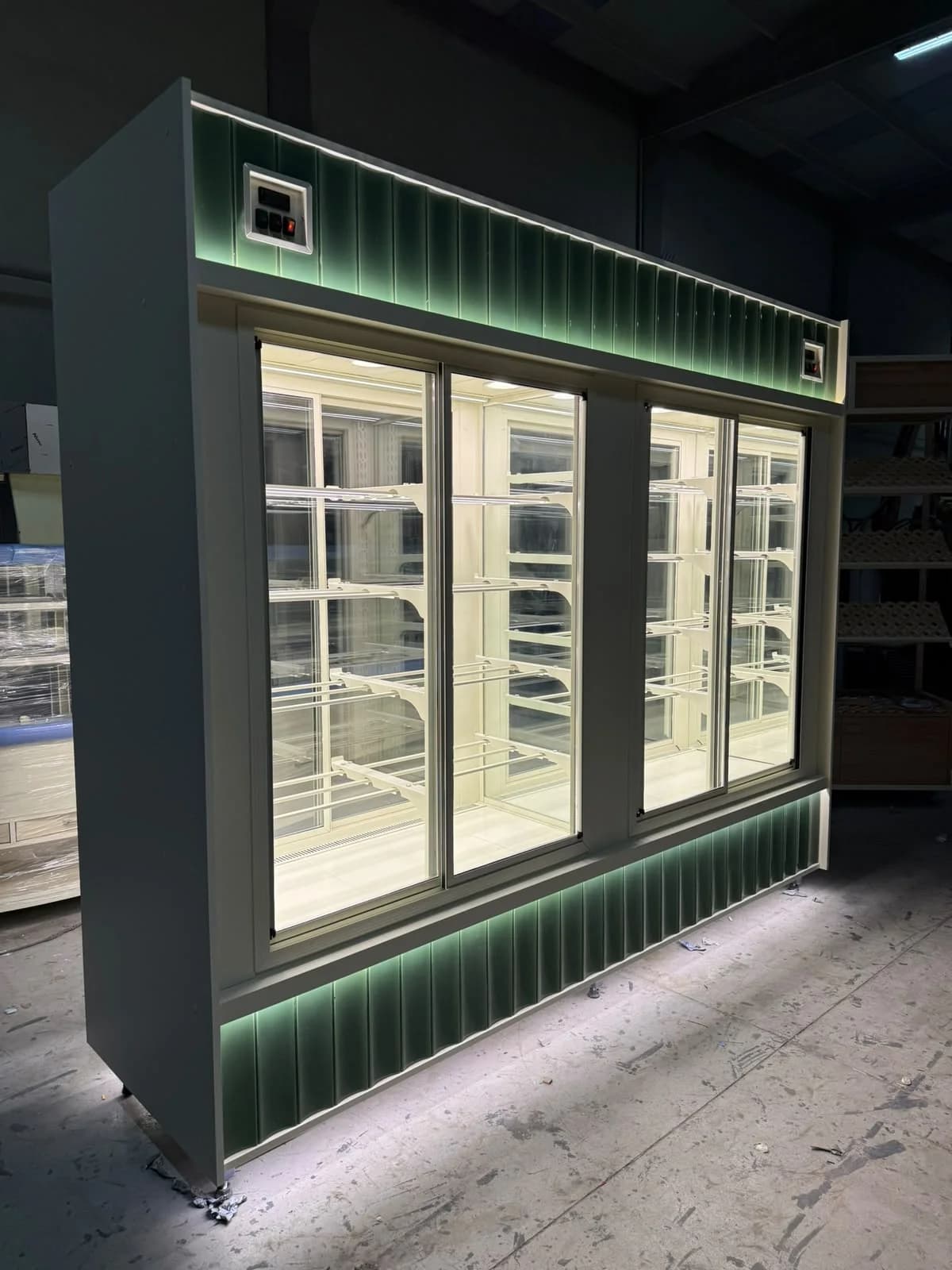

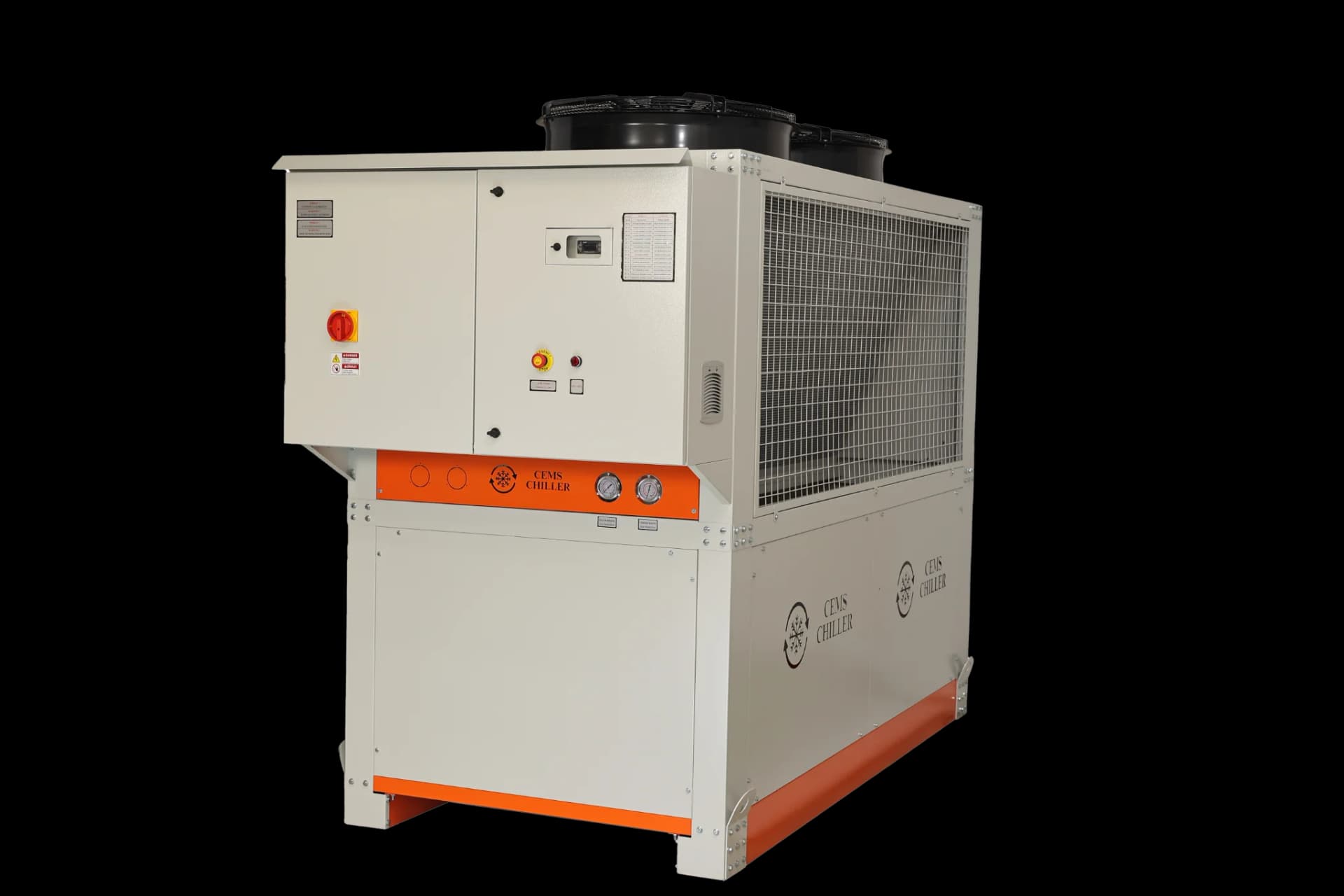
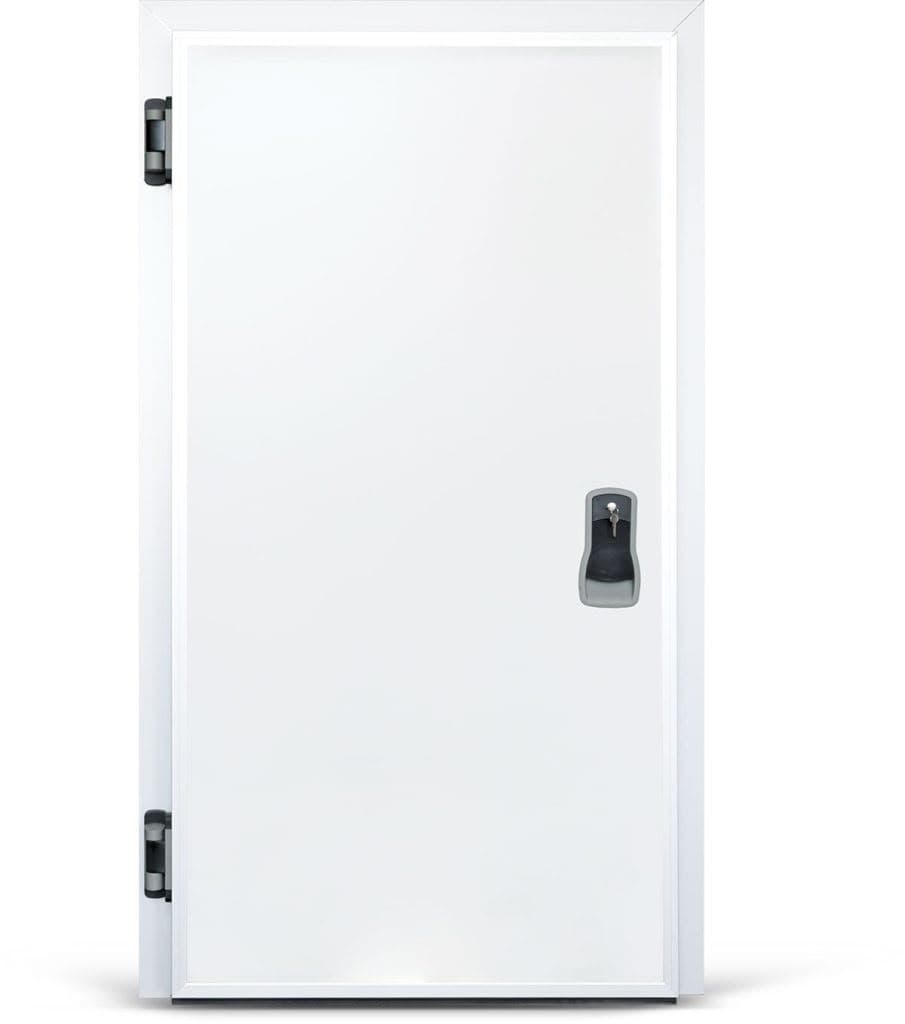
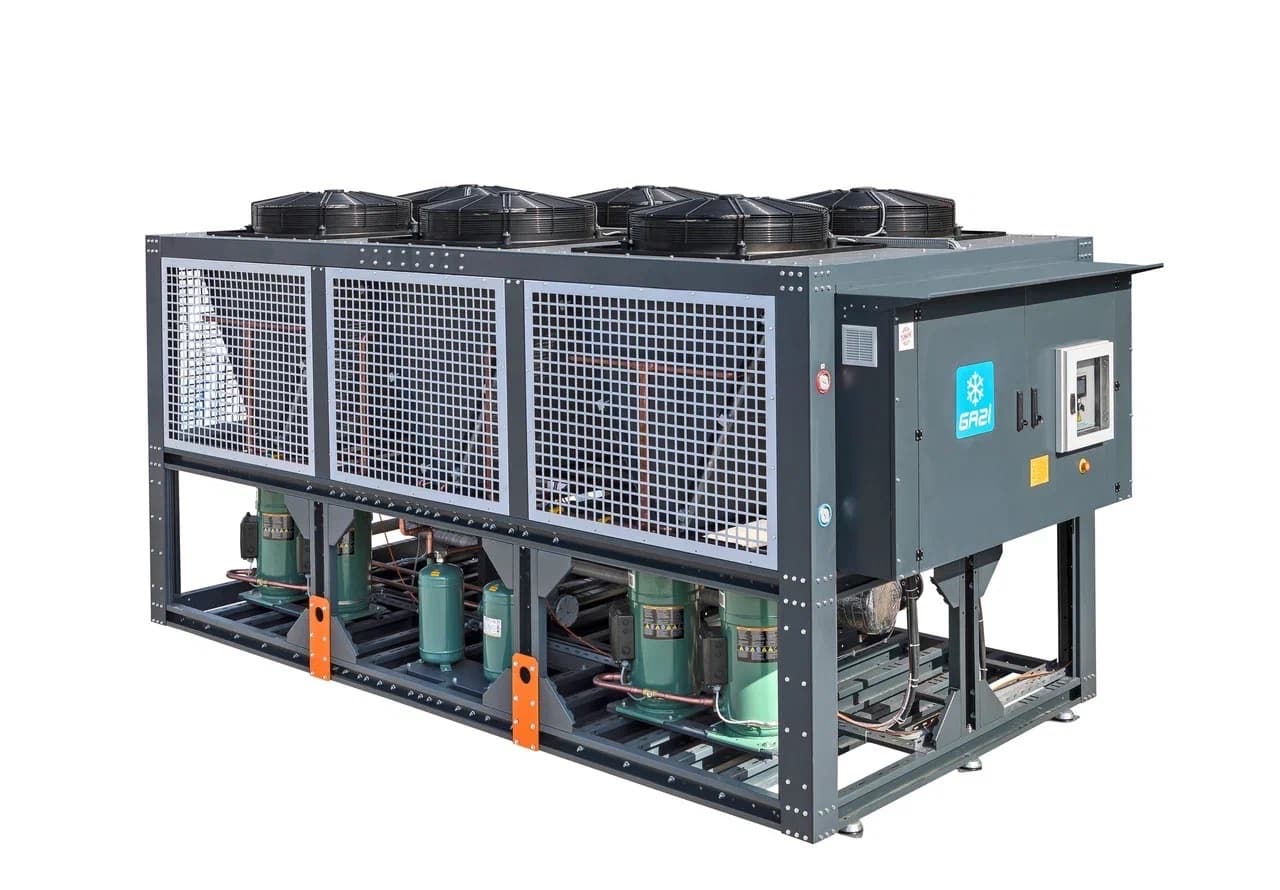
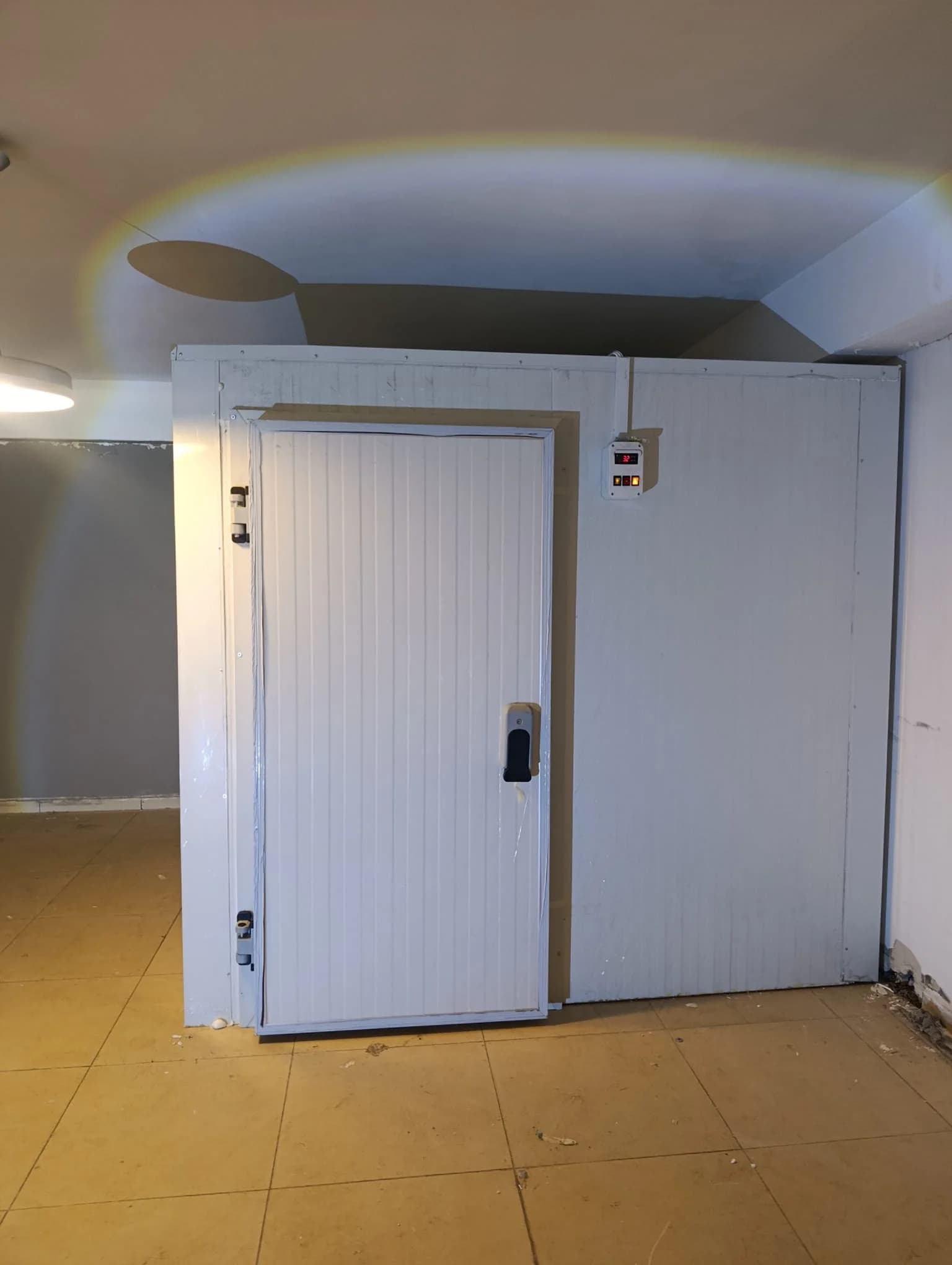
Turkish suppliers list panels, doors, refrigeration units and complete rooms in the cold rooms and refrigeration units from Turkish manufacturers section.
Can a cold room in Zimbabwe run through power cuts or on solar?
A cold room in Zimbabwe should be designed to keep its temperature through power interruptions, because the grid remains fragile even after a long run without load shedding. ZESA reported 324 days without load shedding as of 10 November 2026, but from 15 November two units at Hwange power station went into maintenance until January 2027 and national generation fell by about 546 MW, and reduced water allocations at Kariba add pressure on hydropower; ZESA said it would cover the gap with Kariba, imports and independent producers.
Ask each supplier for the electrical consumption in kW, the compressor's starting current, the voltage and phases (room units usually run on three-phase 380–415 V, 50 Hz) and whether a voltage protector and automatic restart after a power cut are included. Good insulation carries a room through short cuts; longer ones need a generator, batteries or solar.
Solar cold rooms are possible and buyers in Zimbabwe search for them, but solar works best for chiller rooms with a steady daily load; freezer rooms and especially blast freezers need far more energy and are usually combined with the grid or a generator. Ask for the solar design as a separate line, with panel and battery capacity and hours of autonomy. See also our guide to solar panels, inverters and batteries from Turkey.
Which certificates and licences does a cold room need to enter Zimbabwe?
A cold room imported into Zimbabwe needs a CBCA certificate of conformity before shipment for the refrigeration equipment and an import licence from the Ozone Office, because refrigerating and freezing equipment of heading 84.18 is on the list of controlled equipment whether it runs on HFCs or on refrigerants such as CO2 (R-744) or propane (R-290); equipment running on R22 cannot be imported at all. Arrange both before your Turkish supplier loads the container.
| Requirement | What it covers | What happens without it |
|---|---|---|
| CBCA certificate of conformity (SI 35 of 2024) | refrigerating and freezing equipment of HS heading 84.18 (parts under 8418.99.10 and 8418.99.90 are excluded) with an FOB value above US$1,000; inspected and certified before shipment | destination inspection plus a penalty of 12% of the CIF value |
| Ozone Office import licence (SI 49 of 2023) | equipment of heading 84.18 is on the list of controlled ozone-depleting substance and greenhouse-gas dependent equipment; licences are applied for online on the Government e-Services portal, against a yearly call for applications | without a licence the import is not allowed; late applications pay an extra 50% of the application fee and depend on the remaining quota |
| Ban on R22 equipment (SI 49 of 2023, section 4) | no equipment that uses or relies on HCFC-22 may be imported | offence; the equipment can be forfeited |
Insulated panels may be classified separately from the refrigeration unit; steel-faced panels can fall under heading 73.08, which is also on the CBCA list, so ask your clearing agent to confirm the HS codes and whether the panels need their own certificate. Agree the refrigerant with your supplier (for example R404A, another HFC blend or a natural refrigerant) and check that your licence covers it; refrigerant cylinders for on-site charging are controlled too. This also answers the search for a 'used blast freezer for sale in Zimbabwe': many older units run on R22, which cannot be imported. Confirm current rules with your clearing agent; the wider steps are in our guide to importing from Turkey to Zimbabwe.
Should you buy cold room panels only or a complete system?
Buy panels only if a refrigeration technician in Zimbabwe will supply and install the unit, and buy a complete system if you want one supplier to answer for the temperature the room reaches. Local builders often assemble rooms from imported panels and units.
In these two HS codes, Zimbabwe's imports of refrigeration equipment come mainly from South Africa, with Egypt and China next: in 2024 it imported about US$2.2 million of HS 8418.69 refrigerating equipment, of which about US$1.3 million came from South Africa, and about US$5.3 million of refrigerated display cabinets, counters and chests (HS 8418.50), where Egypt and China followed South Africa, according to UN Comtrade data. Turkey exported about US$189 million of HS 8418.69 equipment worldwide in 2025, but its refrigeration shipments to Zimbabwe are still small.
| Option | Good when | Ask for |
|---|---|---|
| Panels and door only | a local technician supplies the unit and installs | panel plan, thickness, core, cam-lock joints, floor solution |
| Panels, door and refrigeration kit | you have a technician, but want matched parts | unit capacity at your temperature, refrigerant, electrical data, spare parts |
| Complete system with installation or remote commissioning | you want one supplier responsible for the result | installation manual and video, commissioning plan, warranty terms |
How do you get a cold room from Turkey to Harare or Bulawayo?
A cold room from Turkey reaches Zimbabwe by sea to Beira or Durban and then by road: Beira is about 560 km from Harare through the Forbes–Machipanda border, and Durban suits Bulawayo and southern Zimbabwe through Beitbridge. One Turkish forwarder's 2026 schedule gives about 32 to 43 days at sea to Beira, and congestion at Beira and waits at Beitbridge can add days, so plan the delivery around the whole route. Panels for a large room often travel in a 40 ft high-cube container, with the unit in crates; a small room can go as shared (LCL) cargo.
Importing step by step works like this. 1) Put every item from the price-factor table into one specification. 2) Ask two or three Turkish manufacturers for the price on the same specification, split into panels, door, unit, controls, installation materials and freight. 3) Agree the refrigerant and apply for the Ozone Office licence. 4) Ask the supplier to book the CBCA inspection before loading. 5) Agree the Incoterm and road leg; our guide to shipping from Turkey to Zambia and Zimbabwe compares Beira and Durban. 6) Order a spare kit and plan installation before the container arrives.
On Tafric you post your cold room or blast freezer request for free; Tafric checks it, and Turkish cold room and refrigeration manufacturers in the category can contact you directly. Mention what you will store, the temperature, the room size or kilograms per day, your power situation and the town, with photos of the site. Post your cold room request.
Frequently asked questions
How much is a cold room in Zimbabwe?
It depends on the inside size, temperature, daily load, panels, power backup and delivered cost to your town; a freezer room or blast freezer costs much more than a chiller room of the same size. Compare suppliers on one written specification.
Do I need a licence to import a cold room into Zimbabwe?
Yes. Refrigerating and freezing equipment of HS heading 84.18 is controlled under Statutory Instrument 49 of 2023, so the importer applies to the Ozone Office for a licence through the Government e-Services portal. Equipment that runs on R22 (HCFC-22) cannot be imported.
Does a cold room need a CBCA certificate for Zimbabwe?
Refrigerating and freezing equipment of heading 84.18 above US$1,000 FOB is on the CBCA list and needs a certificate of conformity issued before shipment; otherwise it faces inspection on arrival and a penalty of 12% of the CIF value. Ask your clearing agent whether the panels need one too.
Where can I buy cold room panels in Harare?
Local builders in Harare sell panels, often imported. You can also buy panels or a complete cold room from Turkish manufacturers: post a free request on Tafric with the size, temperature and panel thickness.
Can I import a used blast freezer into Zimbabwe?
Check the refrigerant first: many older units run on R22, and Zimbabwe bans imports of equipment that uses HCFC-22. Any refrigeration unit also needs the Ozone Office licence and, above US$1,000 FOB, a CBCA certificate.
Is a solar cold room practical in Zimbabwe?
Yes for chiller rooms with a steady load. Freezer rooms and blast freezers use far more energy and usually combine solar with the grid, batteries or a generator.

The Tafric Editorial Team writes export, import and shipping guides for trade between Türkiye, Africa and the Middle East. Articles use data from real buying requests published on Tafric (with no personal information, stating the period covered) and official sources such as customs authorities, trade ministries, UN Comtrade and the World Bank. Articles get a second review of figures and regulations before publication and are updated when rules change. Details: our Editorial policy page.