



ON THIS PAGE
Tafric request data as of November 8, 2026
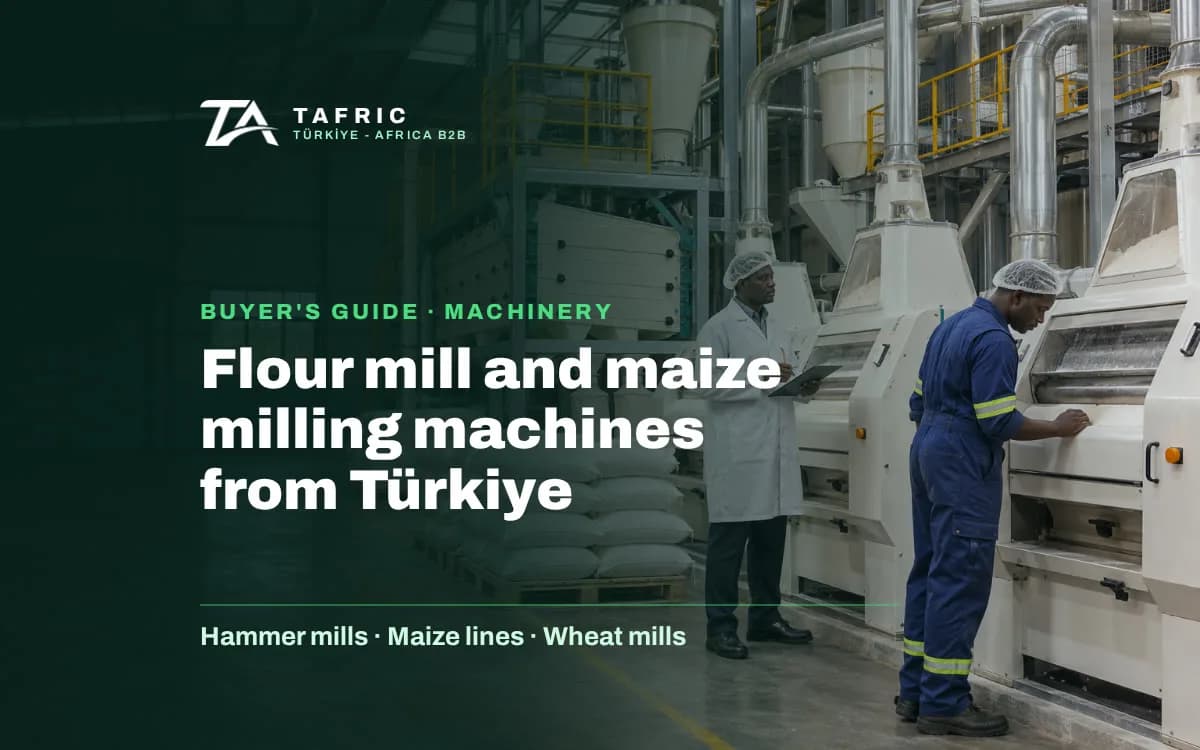
You can buy flour milling machines directly from Turkish manufacturers, from a single hammer mill for a village or small business to a complete maize or wheat flour line with cleaning, degermination, milling, sifting and bagging. Start with the grain you will mill, the capacity you need per hour or per day, the flour quality you want to sell and the power you have on site. Then compare prices and proposals from several manufacturers on the same specification. This guide is for millers, agro-processors and investors in Nigeria, DR Congo, Cameroon, Kenya and the rest of Africa.
What to write in your request
Describe the job, not just the machine: grain (maize, wheat, sorghum, millet, cassava, rice), capacity (for example 500 kg per hour or 20 tons per 24 hours), final products (fine maize flour, semolina or grits, bran, animal feed), whether you need packaging and bag sewing, the power available (three-phase grid, generator or diesel engine), and the city where the mill will be installed. Turkish manufacturers can then propose the right configuration with photos, layouts and prices.
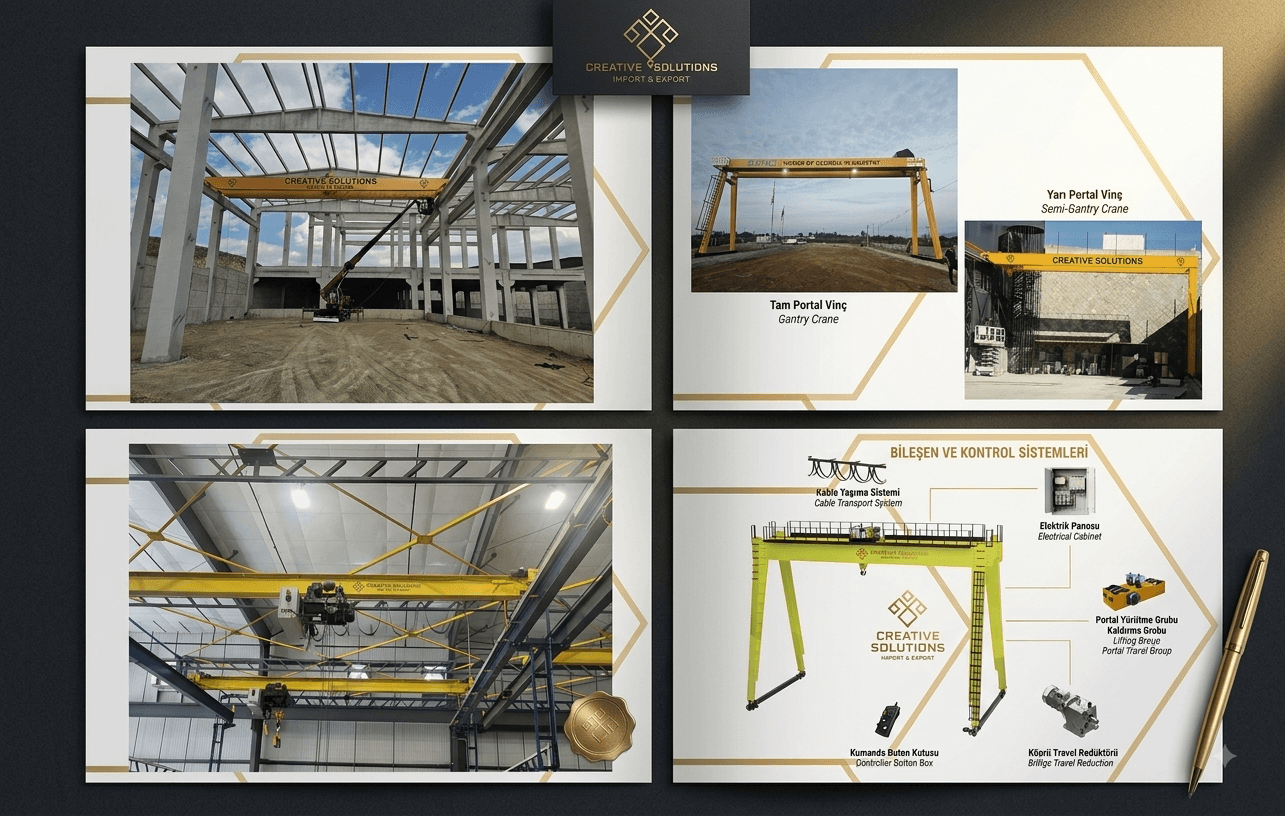
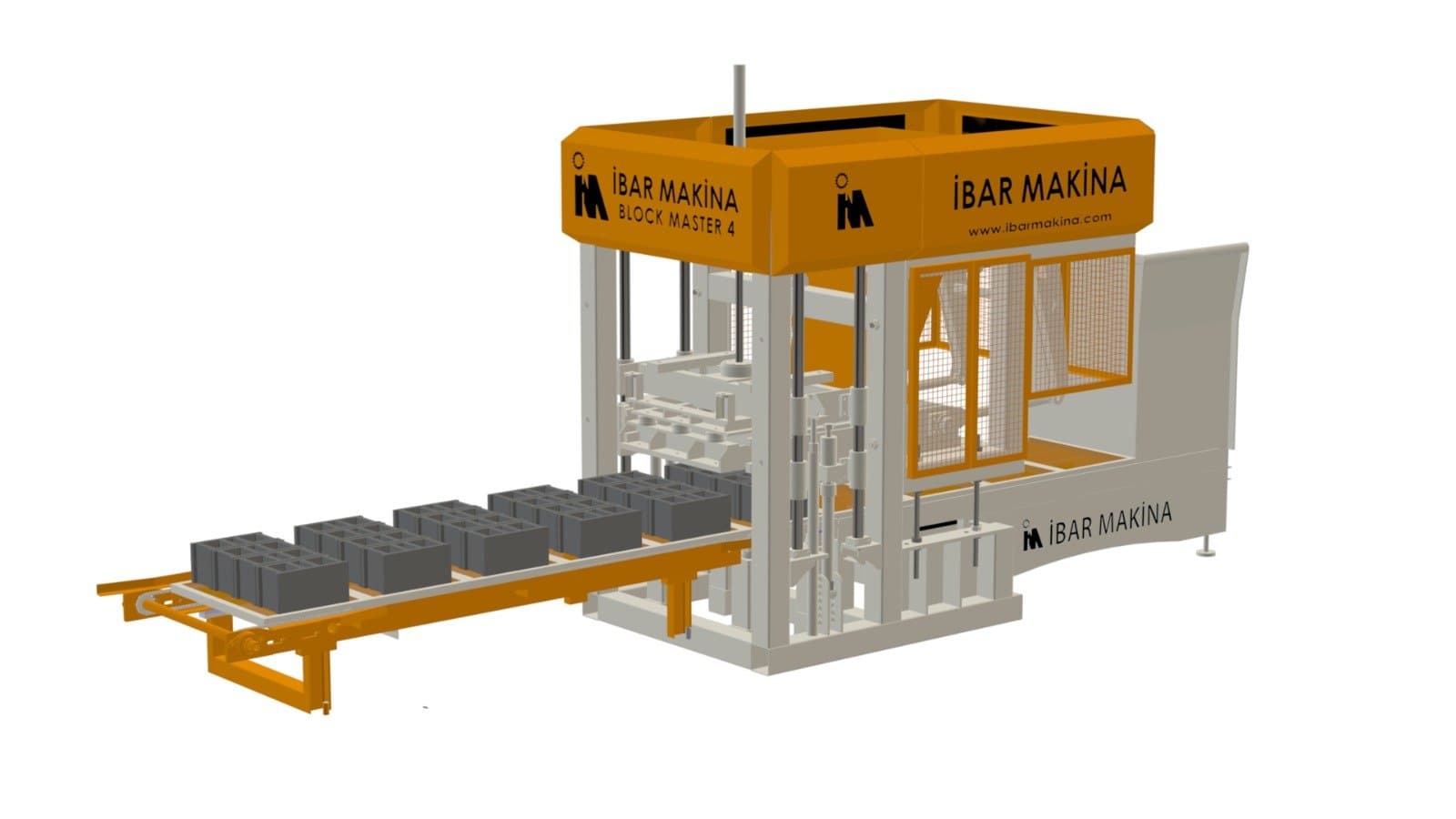
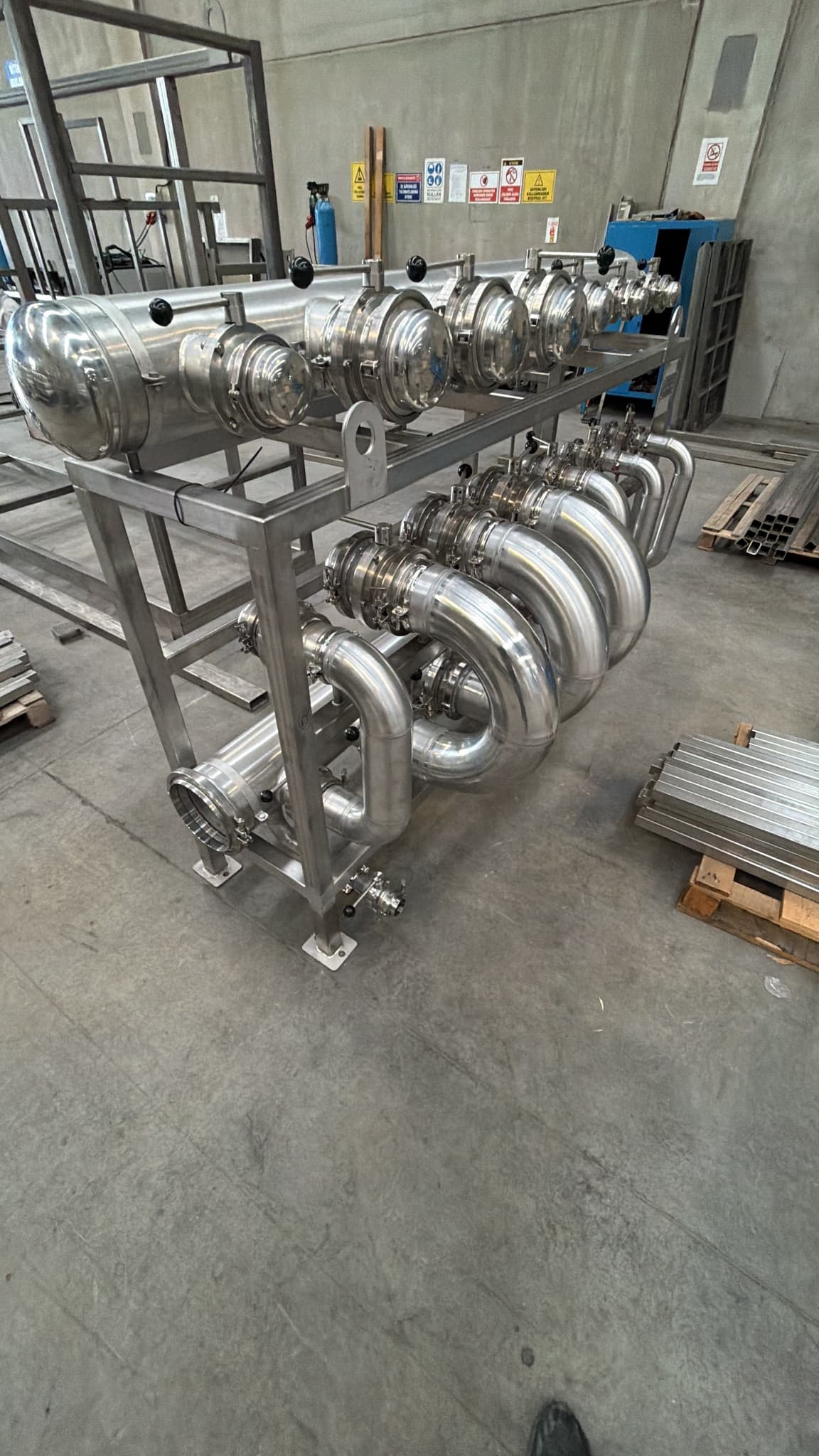
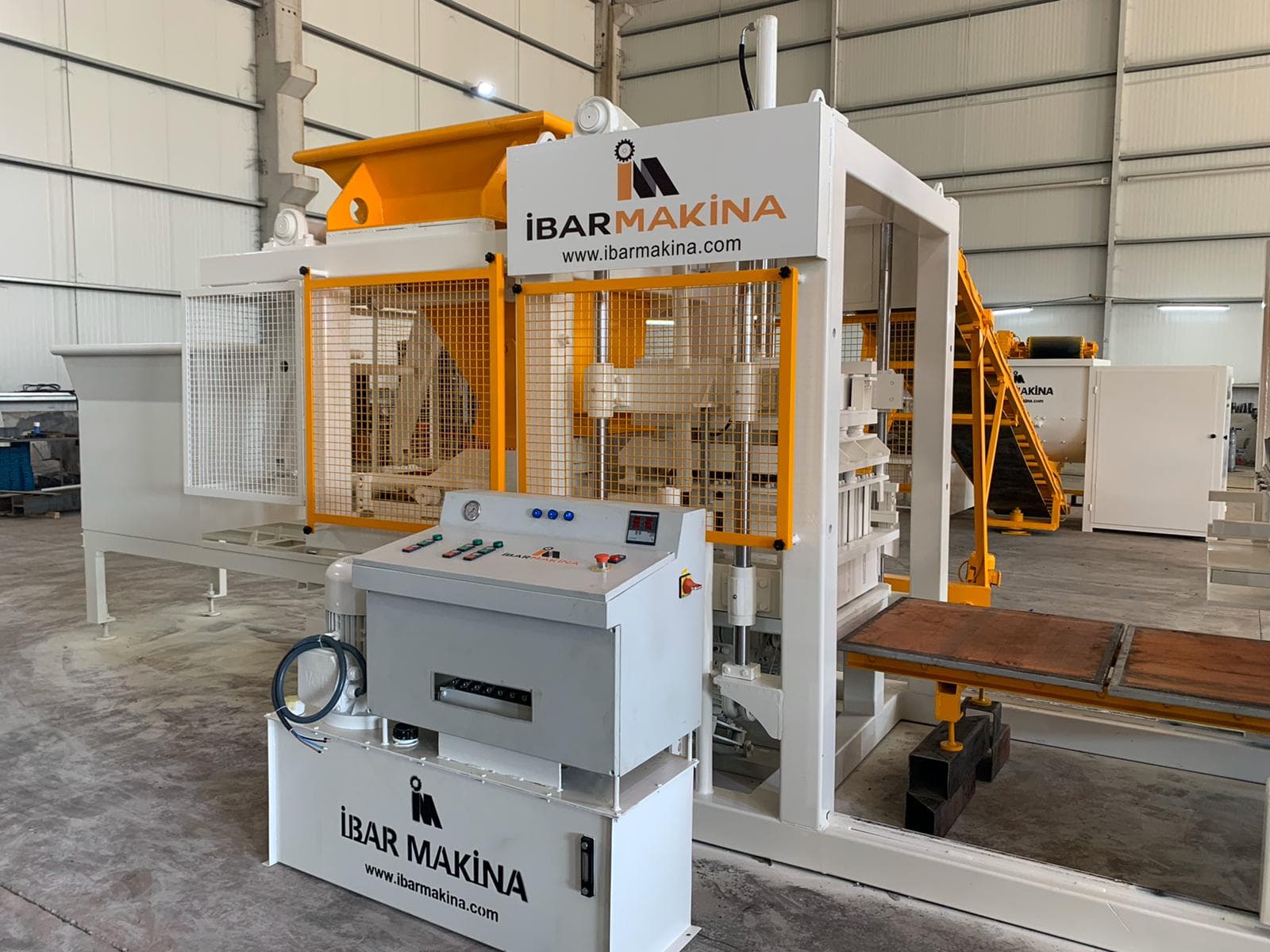



On Tafric you can browse Machinery from Turkish manufacturers or post a free buying request.
Why buy a flour mill from Turkey?
Turkey has been the world's largest flour exporter since 2005, and the milling industry that supplies its own mills also builds machines for export: roller mills, plansifters, purifiers, cleaning sections, steel silos and complete turnkey plants. Manufacturers are clustered in Konya, Çorum and Gaziantep. Compare honestly: European brands are often the reference for very large plants, and China and India offer the lowest entry prices, especially for small hammer mills. Turkey is a strong middle ground when you want industrial quality, a supplier that can design, deliver and install a complete line, and spare parts that reach Africa relatively quickly.
Which machine for which job
| Need | Typical machine | Points to check |
|---|---|---|
| Village or small shop milling for customers | Hammer mill (posho mill) with electric motor or diesel engine | Screen sizes, motor power, diesel option where there is no grid |
| Selling maize flour in bags | Small maize line: cleaning, degerminator, mill, sifter, bagging | Capacity per hour, flour fineness, germ and bran separation |
| Maize semolina, grits and fine flour | Maize milling plant with degermination and roller mills | Number of products and grades, extraction rate |
| Bakery-grade wheat flour | Wheat flour mill with cleaning, tempering, roller mills, plansifter | Capacity per 24 hours, building height, silo needs |
| Cassava, rice, beans | Dedicated lines: cassava grating and drying, rice hulling and polishing, bean dehulling | Ask for machines designed for that crop |
Recent requests on Tafric show this range: complete maize flour lines of 100 to 500 kg per hour in DR Congo, a 1 ton per hour stainless steel hammer mill in Nigeria, a diesel-powered mill for a village without electricity, maize grits lines in Côte d'Ivoire, mini wheat mills that separate bran, and rice hulling and polishing lines in Cameroon and Zimbabwe.
Flour mill plant price: what drives it
There is no single flour mill plant price or small machine price. It depends on capacity, the number of process steps (cleaning, degermination, milling, sifting, packaging), roller mill versus hammer mill, steel quality (painted or stainless), the level of automation, the steel structure or building, silos, and whether installation and training are included. Ask each manufacturer for prices on the same capacity and product list, with a machine list, power consumption, a layout drawing and the delivery term: ex works (EXW), loaded on the vessel (FOB) or delivered to your port (CFR). Then add freight, duties, installation costs and local transport to compare the real cost.
Installation, power and spare parts
A flour mill is a long-term asset, so ask before you buy: who installs and commissions the line, how long it takes, whether the manufacturer trains your operators, and which wear parts (screens, hammers, rolls, belts, sieves) are included as a starter kit. Check the voltage and frequency of the motors against your grid, and whether you will run the mill on a generator. Ask how quickly spare parts can be shipped and whether rolls can be re-grooved locally.
How to import a mill from Turkey step by step
1) Define grain, capacity, products and power on site. 2) Check import rules and duties for machinery in your country with your clearing agent. 3) Post a free request on Tafric or contact manufacturers, and ask for references or videos of installed mills. 4) Compare proposals on the same specification and agree in writing on price, delivery term, installation, warranty and payment schedule. 5) Book shipping with your forwarder: a complete line may need one or more 40-foot containers depending on its size, small hammer mills can go in a shared container (LCL). 6) Prepare the commercial invoice, packing list, bill of lading and certificate of origin, plus any pre-shipment inspection your country requires.
How Tafric helps
Tafric connects buyers in Africa with Turkish manufacturers and suppliers. Post your buying request for free, with no limit on the number of requests: describe the grain, capacity and location, and interested milling machine manufacturers contact you directly with photos, layouts and prices, so you do not need to travel.
Frequently asked questions
Maize milling machine price in Nigeria: how much is it?
It depends on capacity, whether you need a simple hammer mill or a complete line with degermination and packaging, the motor or diesel engine and installation. Ask Turkish manufacturers for prices on the same specification, then add freight, duty and installation to compare with local offers.
Can I get a flour mill that runs on diesel?
Yes. Many small hammer mills and some compact lines can be supplied with a diesel engine or designed to run on a generator. State the power you have on site in your request.
What capacity flour mill do I need?
Start from how much flour you plan to sell per day and how many hours you will run. A shop milling for customers may need a few hundred kilograms per hour, while a bagged maize flour business often runs from a few tons up to 20–30 tons per 24 hours.
Do Turkish manufacturers install the mill in Africa?
Many offer installation, commissioning and operator training, either included or as a separate cost. Ask for this in writing, together with the list of spare parts supplied with the machine.
Hammer mill or roller mill: which is better?
Hammer mills are simple and cheaper, good for service milling and animal feed. Roller mills with sifters give finer, more consistent flour and better separation of bran and germ, which matters if you sell packaged flour.
Can one machine mill maize, cassava and rice?
A hammer mill can grind several dry grains, but cassava processing (grating, pressing, drying) and rice hulling and polishing need dedicated machines. Describe each crop in your request.