


ON THIS PAGE
Tafric request data as of November 7, 2026
To import goods wholesale from Turkey to Algeria, Morocco, Tunisia or Libya, first define the product, quantity and HS code, check your country's import conditions, compare several Turkish suppliers, agree the price, incoterm and payment in writing, then ship with a freight forwarder and clear customs with your customs broker. This guide explains each step and what has changed in the rules in recent years.
What does North Africa import from Turkey?
Turkey is one of the closest manufacturing hubs to North Africa: vehicles and spare parts, machinery and production lines, clothing and fabrics, medical equipment, building materials, furniture, food and chemicals. On Tafric, requests from Algeria, Morocco and Tunisia focus on machinery (packaging, food processing, textile, plastics), medical equipment and consumables, clothing and fabrics and auto parts, followed by electrical goods, construction and packaging.
| Sector | Examples requested | Tell the supplier |
|---|---|---|
| Machinery | Packaging and filling, food processing, textile, plastics, presses | Capacity, product, voltage, installation, training, spare parts |
| Medical | Beds, laboratory equipment and consumables, medical wear | Standards, conformity documents, registration in your country |
| Clothing and fabrics | Women's, men's, kids', sportswear, abayas, fabrics | Styles, size series, colours, fabric |
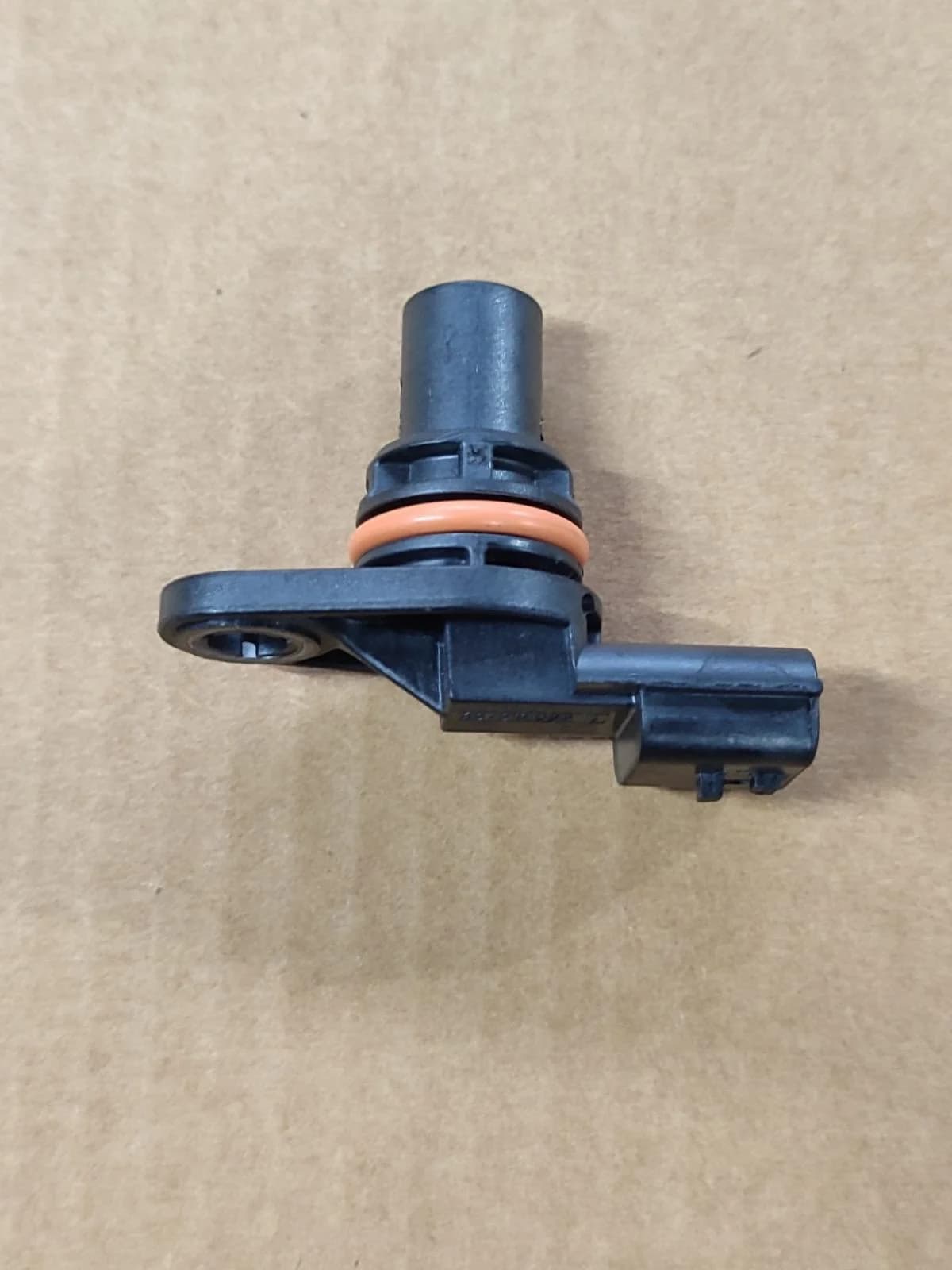
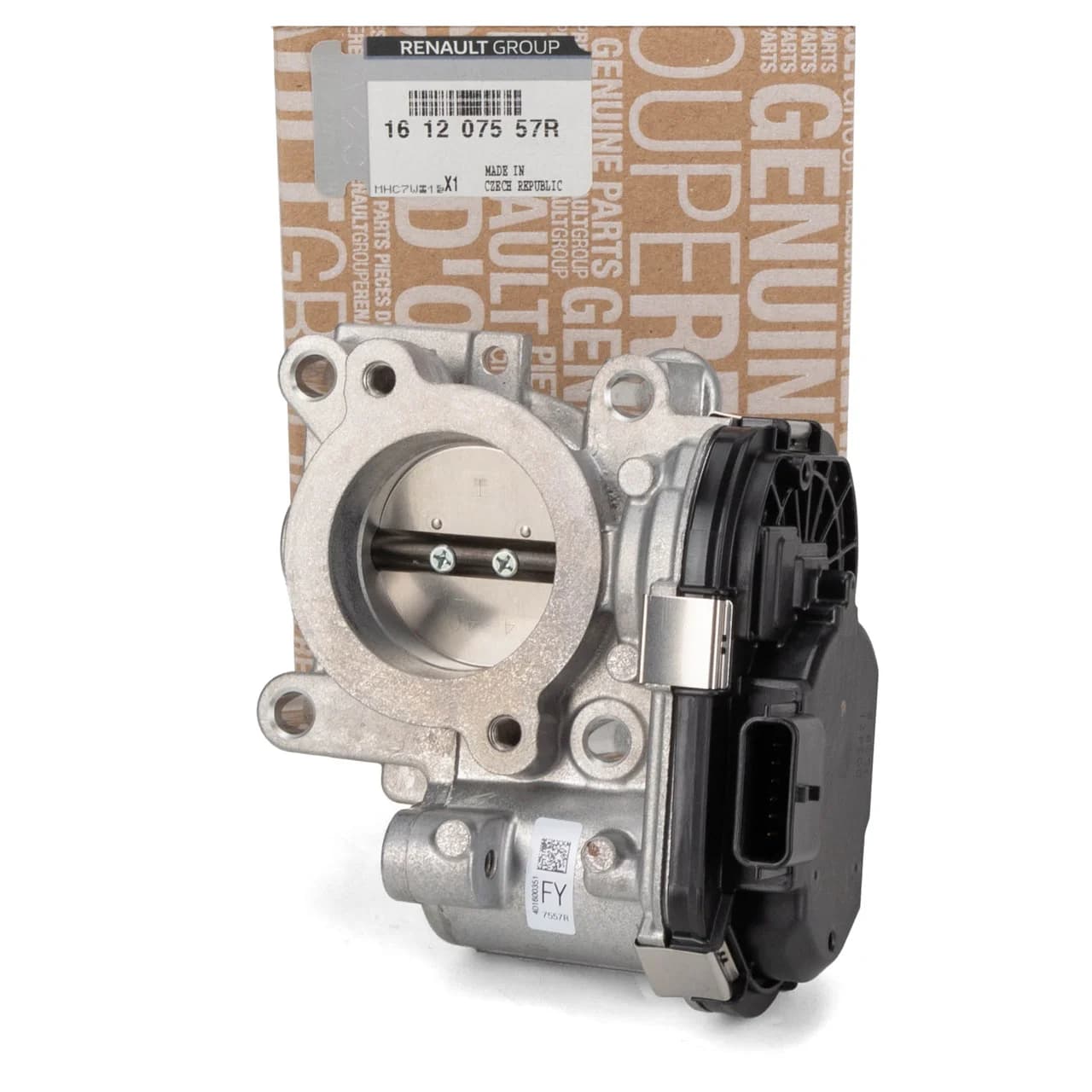
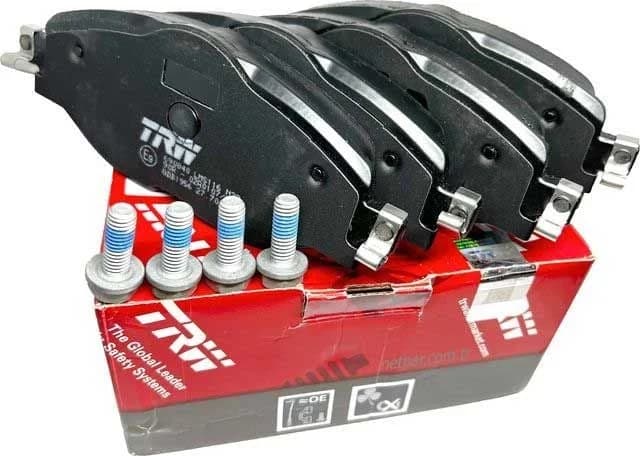
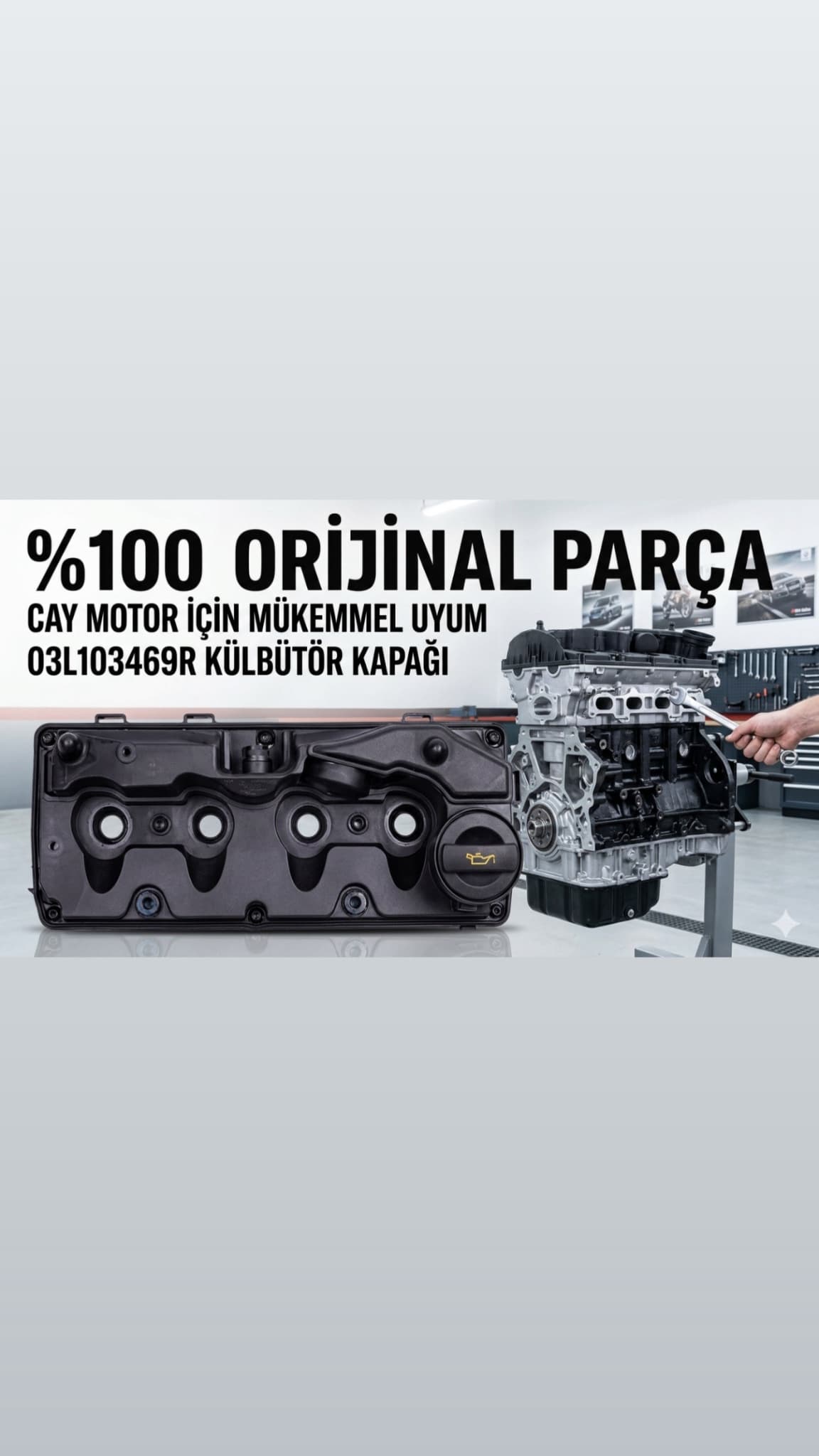
| Auto parts | Engine, brakes, suspension, trucks, tyres | Make, model, year, OEM number, quantity per item |
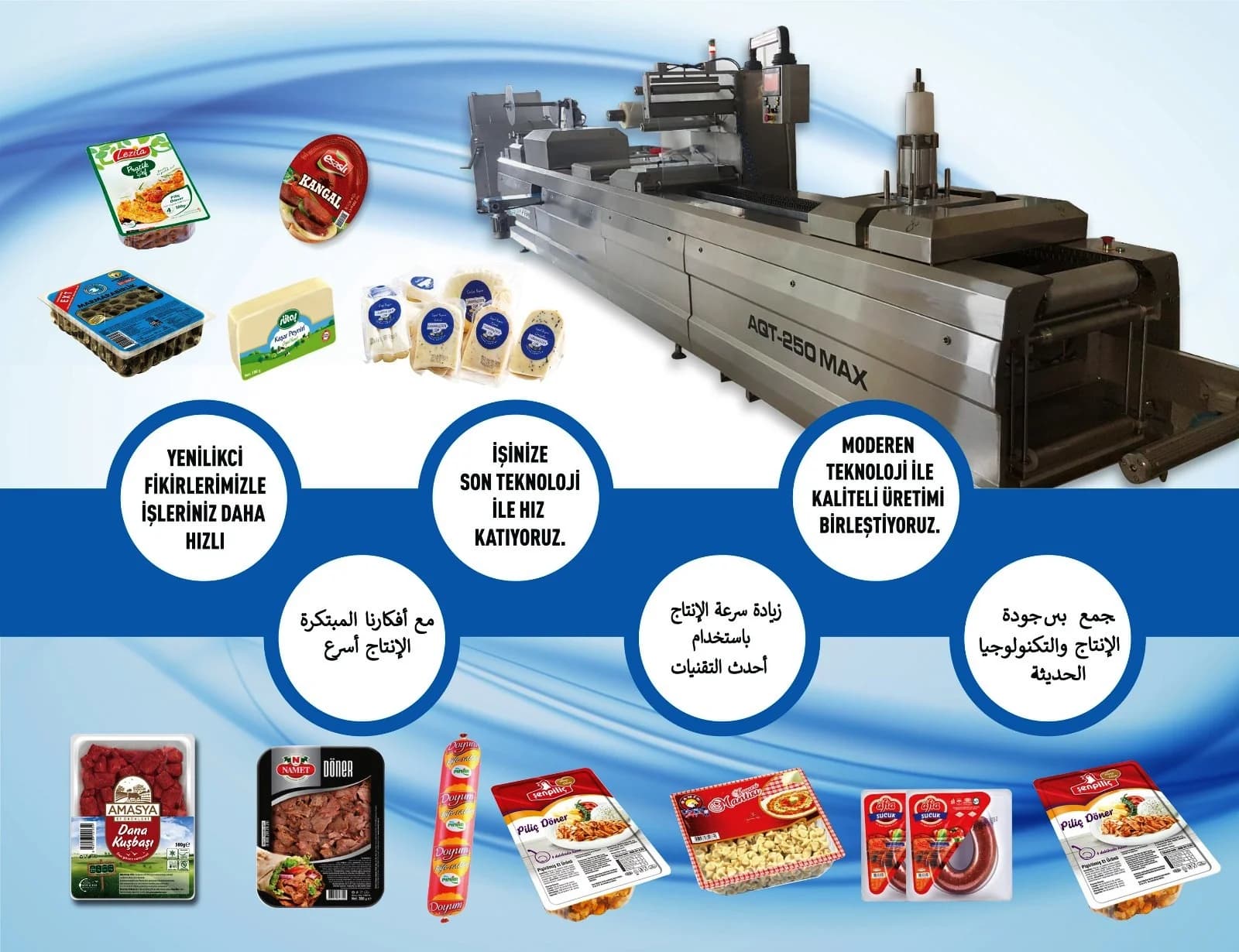
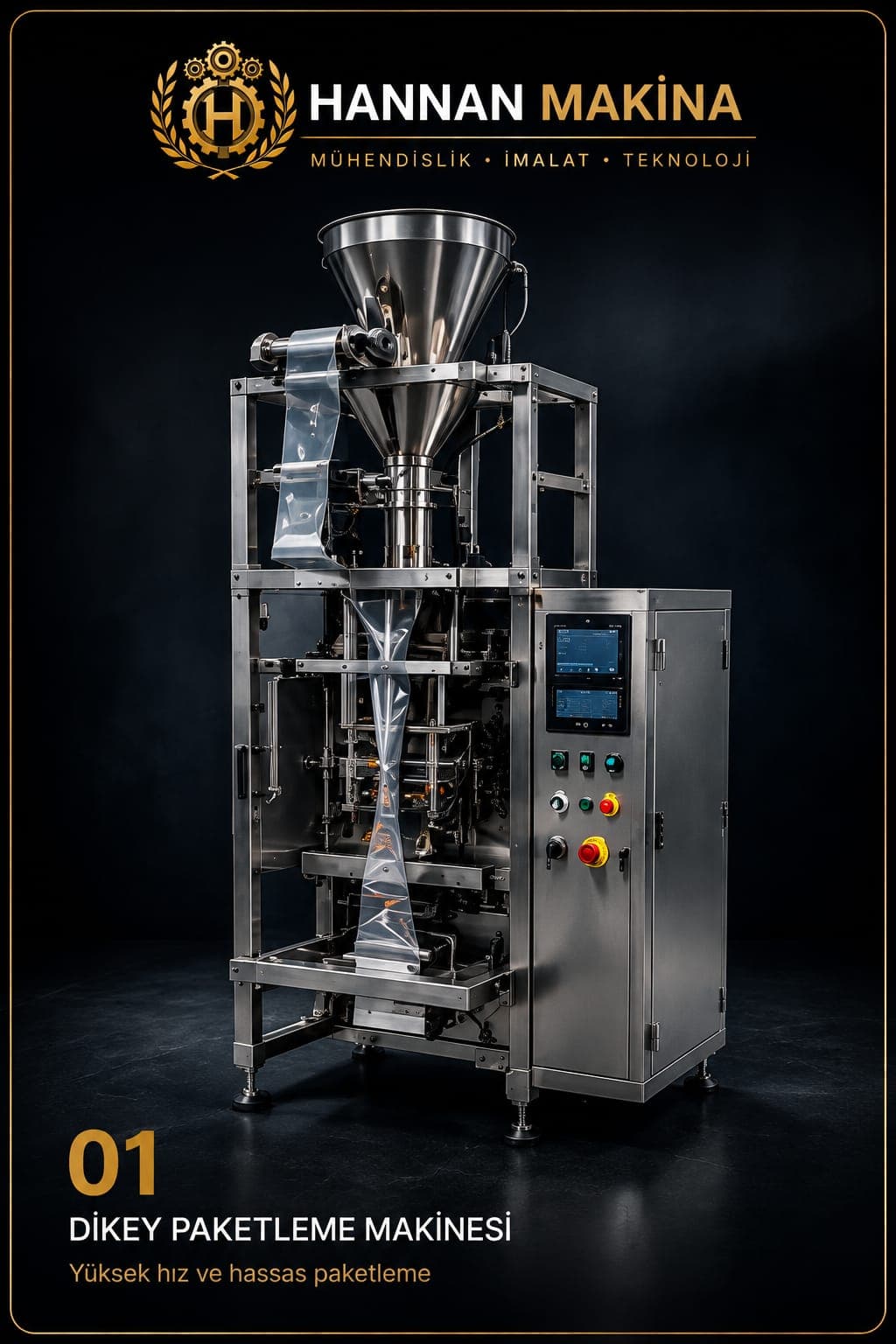



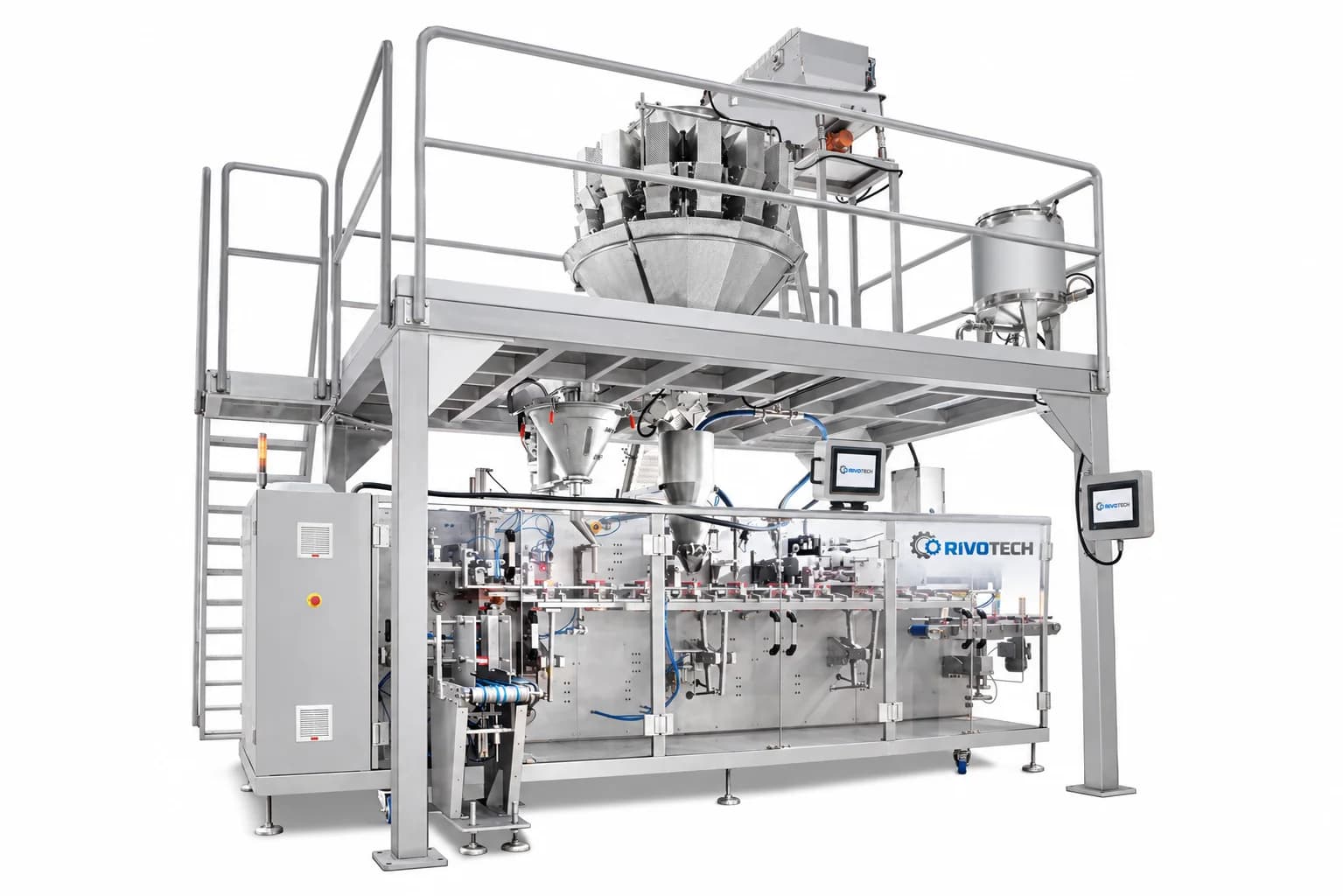
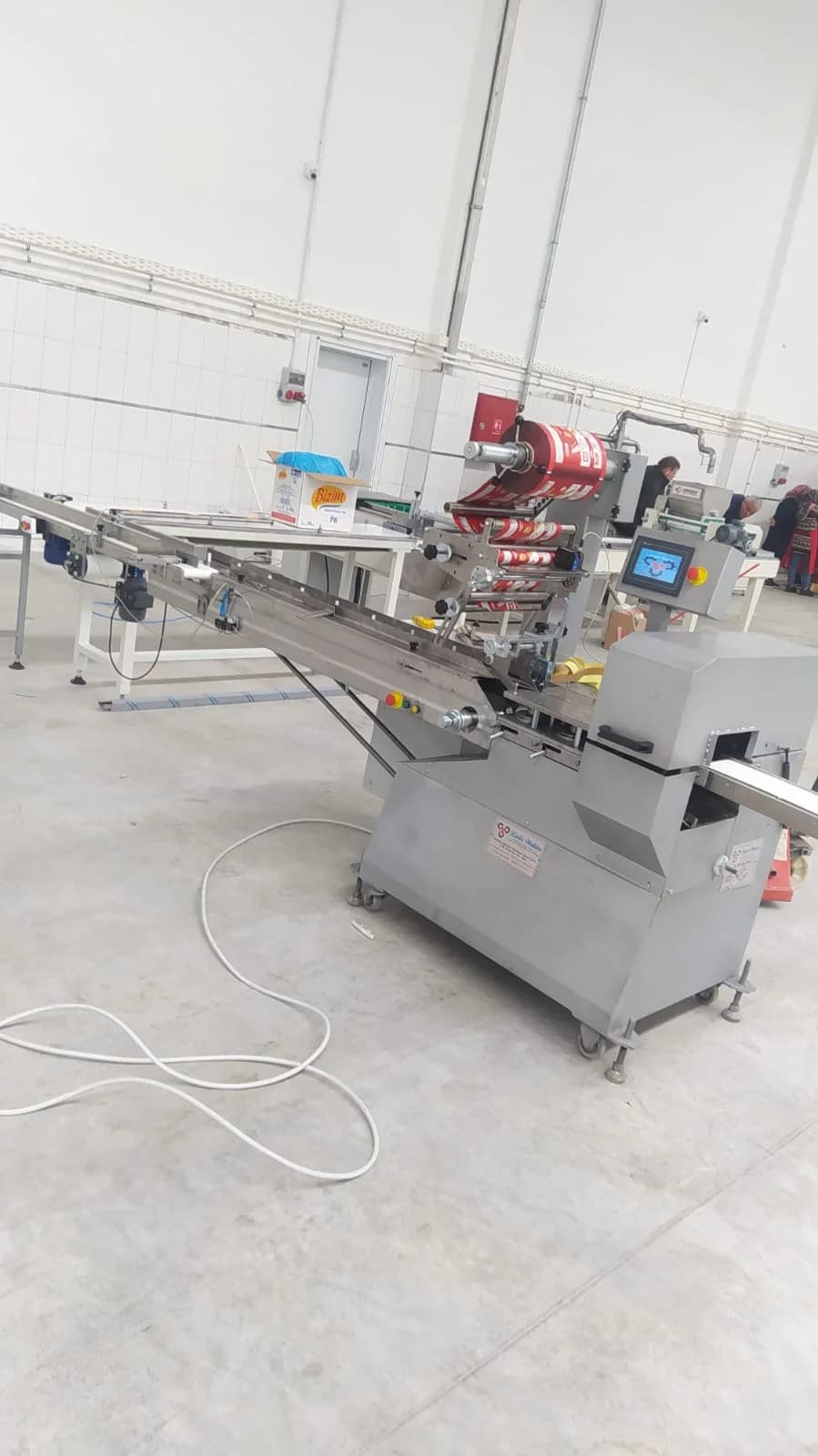
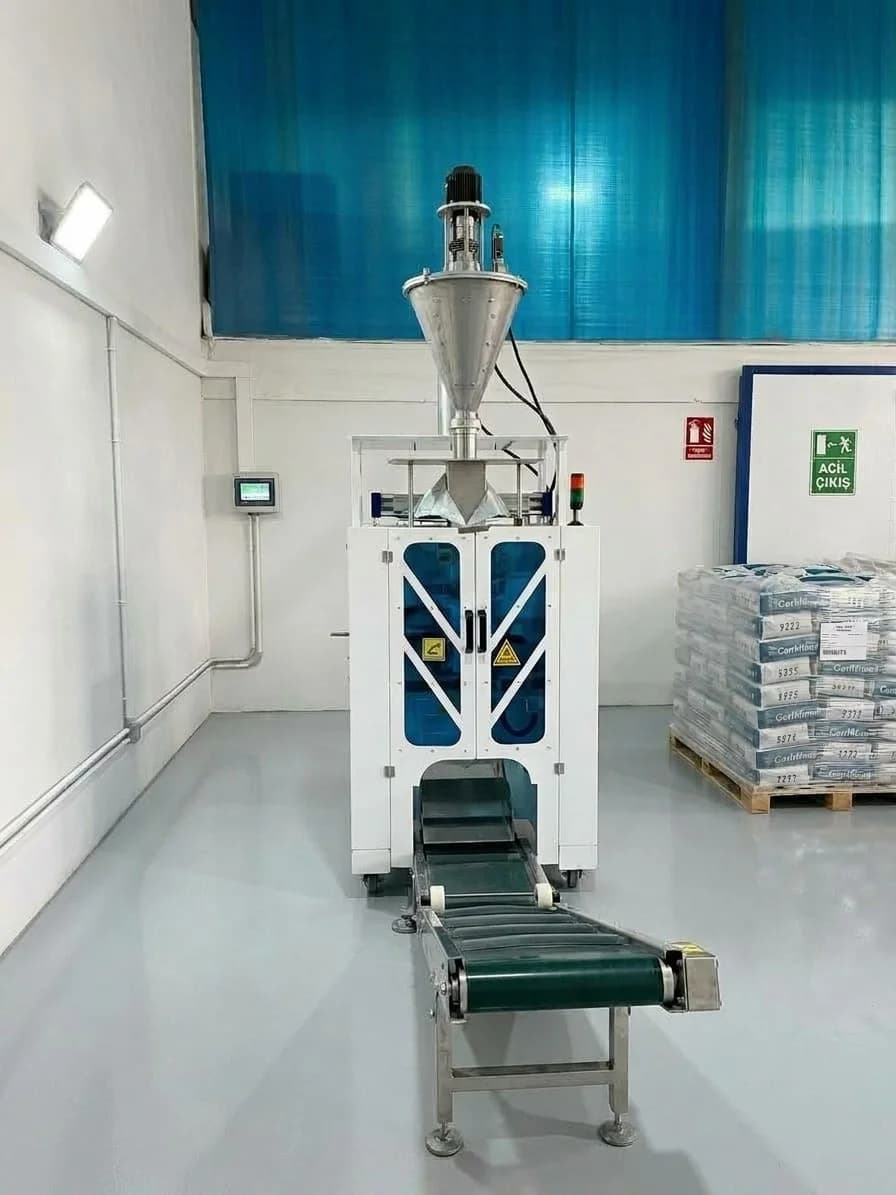

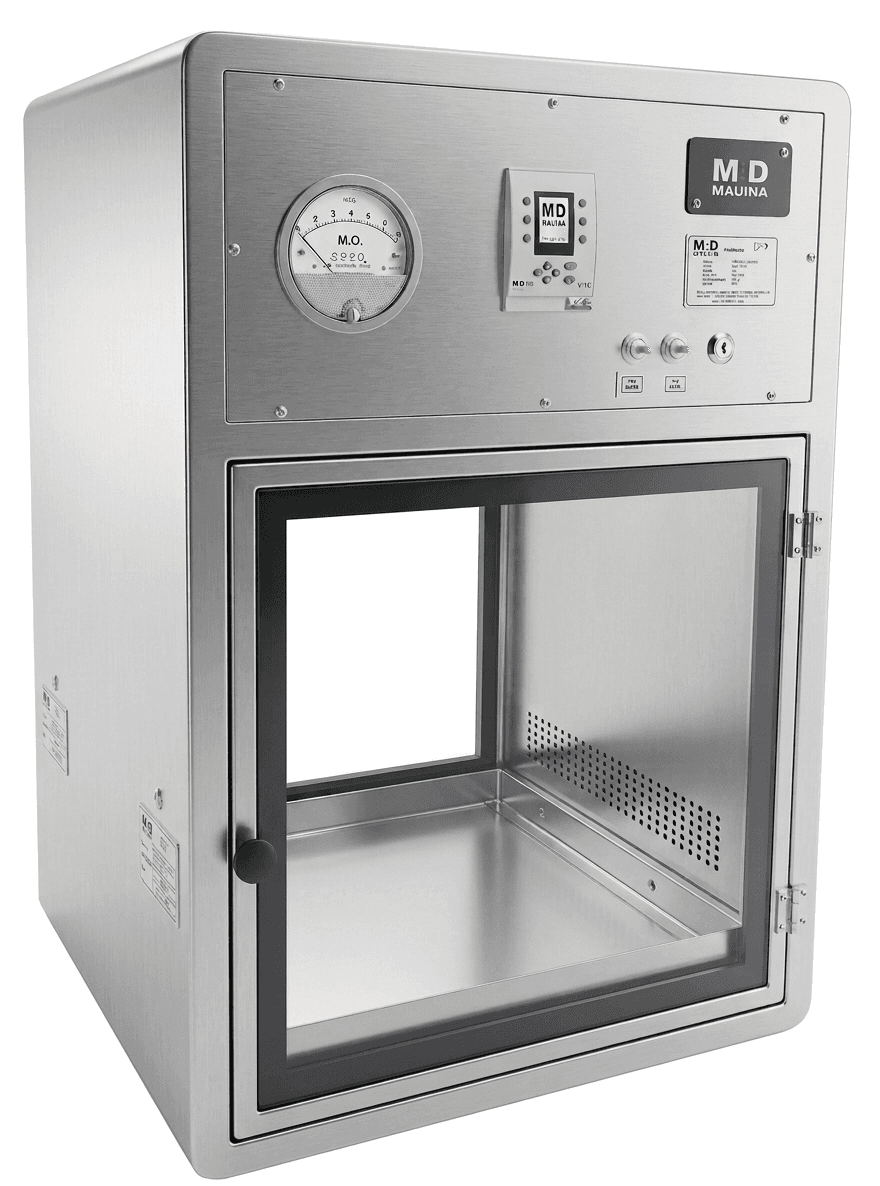
On Tafric you can browse Packing - Sorting - Filling from Turkish manufacturers and the wider Machinery Industry category, or post a free buying request.
Why Turkey?
Proximity comes first: sea freight from Turkish ports to North African ports is much shorter than from East Asia, which ties up less capital and allows smaller, more frequent orders. Turkey also has a broad industry producing for Europe and the Middle East, and many exporters work in English, some in French or Arabic. To compare fairly: China offers the widest range and often the lowest prices, and Dubai is a re-export hub with ready stock from many origins. Turkey fits when quality, short lead times and after-sales service matter, especially for machinery and spare parts.
Finding a reliable Turkish supplier
There are three main routes: visiting trade fairs and Istanbul's wholesale districts (Laleli, Merter, Osmanbey) and industrial cities, searching company websites and directories, or posting a request on a platform that connects you with suppliers. Whatever the route, check the registered company name and address, ask for recent photos of the product or factory, a sample or a visit before a large order, and only pay into an account in the company's name.
Import steps
1) Define the product: specifications, quantity and HS code with your customs broker. 2) Check your country's conditions before paying: trade register, prior approvals, standards and certificates, duties and taxes. 3) Contact several suppliers and compare in writing on the same specification. 4) Agree in writing on price, incoterm (EXW, FOB or CFR), payment, shipping date and warranty. 5) Book freight with a forwarder: full container, LCL for small quantities, or air for samples. 6) Prepare the invoice, packing list, bill of lading and proof of origin, then clear customs.
Payment
Bank transfer is common with Turkish suppliers, often with a deposit on order and the balance before shipment or against documents; letters of credit are preferred for large amounts because they control documents and payment terms, but they do not guarantee quality on their own, so arrange a pre-shipment inspection when needed. Set out in the contract what happens if delivery is late or goods do not conform. Algeria has specific payment rules (see below).
Shipping
Main Turkish ports are Ambarlı near Istanbul, Mersin and Izmir; arrival ports include Algiers, Oran and Béjaïa, Casablanca and Tanger Med, Radès in Tunisia, and Tripoli and Misrata in Libya. Transit time depends on the line and any transhipment, so ask your forwarder for the current schedule. To compare suppliers, calculate the landed cost: goods + freight + insurance + duties and taxes + clearance and inland transport.

Customs duties and country rules in 2026
Import rules for Turkish goods have changed several times in recent years; check the current situation before each order with your customs broker and the authorities:
Algeria: since July 2025, importers need the visa of the Ministry of Foreign Trade and Export Promotion on their provisional import programme (PPI), filed each semester on the ministry's digital platform according to their activity (resale as is, or raw materials and equipment). The system was renewed in 2026 and extended to vehicle imports. Bank domiciliation and customs clearance depend on this visa, and goods for resale are paid by documentary credit (Credoc) or documentary collection (Remdoc), not by free advance transfer: check your file with the ministry and your bank before ordering.
Morocco: the free trade agreement with Turkey has applied since 2006, but since the 2020 amendment Turkish products on the negative list (about 1,200 products, mostly textiles and clothing, leather, automotive, metal, wood and electrical goods) pay a duty equal to 90% of the standard (MFN) duty, not 90% of the value, for five renewable years; the two countries are holding consultations on the list. Check whether your product is listed and which proof of origin you need to use the agreement.
Tunisia: the free trade agreement with Turkey has applied since 2005; after its revision in December 2023, customs duties returned on a list of Turkish industrial products that are also made locally, including cleaning products, tyres, ready-made clothing and plastic goods, at up to 75% of the normal duty from January 2024 for three years, then reduced gradually over two years. Check the rate for your product's tariff line (HS code).
Libya: most official imports go through letters of credit opened by commercial banks under Central Bank of Libya rules, and lists of banned or restricted goods change from time to time. Check your activity's eligibility, approvals, duties, documents and payment terms with a Libyan clearing agent and your bank before paying or shipping.
How Tafric helps
Tafric connects buyers in Africa with Turkish manufacturers and suppliers. Posting a request is free and unlimited: write the product, quantity and delivery country; Turkish suppliers in that category see it and interested ones contact you directly with photos, prices and details. You compare without travelling, and when you visit Turkey you meet the ones you have chosen. Post your request or read our Turkish clothing wholesale guide for North Africa.
Frequently asked questions
How do I import goods from Turkey wholesale?
Define the product, quantity and HS code, check your country's import conditions, compare several Turkish suppliers, agree price, incoterm and payment in writing, then ship with a forwarder and clear customs with your broker.
What are the conditions to import from Turkey to Algeria?
A trade register that allows importing, the Ministry of Foreign Trade visa on your provisional import programme (PPI), bank domiciliation before shipment, payment by Credoc or Remdoc and customs clearance on documents. Check current procedures before paying the supplier.
Are Turkish goods duty-free in Morocco and Tunisia?
Not automatically. Since 2020 Morocco applies a duty equal to 90% of the standard duty to products on its negative list, and since December 2023 Tunisia has restored duties of up to 75% of the normal duty on some products. It depends on the tariff line and rules of origin.
How do I import from Turkey to Libya?
Define the product, quantity and arrival port (Tripoli or Misrata, for example), then check conditions, duties, documents and payment arrangements with a Libyan clearing agent and your bank before signing with the supplier.
How much does importing from Turkey cost?
There is no fixed cost. Calculate it per order: goods + freight + insurance + duties and taxes + clearance and inland transport, and compare it with your selling price.
How can I avoid scams when importing from Turkey?
Work with a registered company, ask for recent photos, a sample or a visit, pay only into an account in the company's name, prefer letters of credit or staged payments for large amounts with a pre-shipment inspection, and put the agreement in writing.