


ON THIS PAGE
Tafric request data as of November 7, 2026
You can import Turkish clothing wholesale directly from manufacturers and wholesalers in Turkey: women's ready-to-wear, abayas and khimars, men's suits, tracksuits and joggers, kids' clothing and babywear, pyjamas and underwear, evening and wedding dresses. This guide is for shops and wholesalers in Algeria, Morocco, Tunisia and Libya: what to ask for, how Turkish series and sizes work, what drives the price and how to import.
Short answer
Write your request like a stock list: styles, sizes, pieces or series per style, colours, fabric if you know it, and the city or port of delivery. Turkish suppliers can then send photos and prices for matching models, and you compare before deciding.







Why Turkish clothing?
Turkey is one of the world's large clothing exporters, with a full chain from textile mills to garment workshops, many of which also produce for European brands: good cuts, durable fabric and current styles in varied quantities. To compare fairly: China offers the widest range and the lowest prices, Dubai resells goods from several origins with fast stock, and Morocco and Tunisia have their own textile industries. Turkey's strength is quality, current fashion and proximity, with short sea freight to North African ports.
What North African importers ask for
| Type | Examples from requests | Tell the supplier |
|---|---|---|
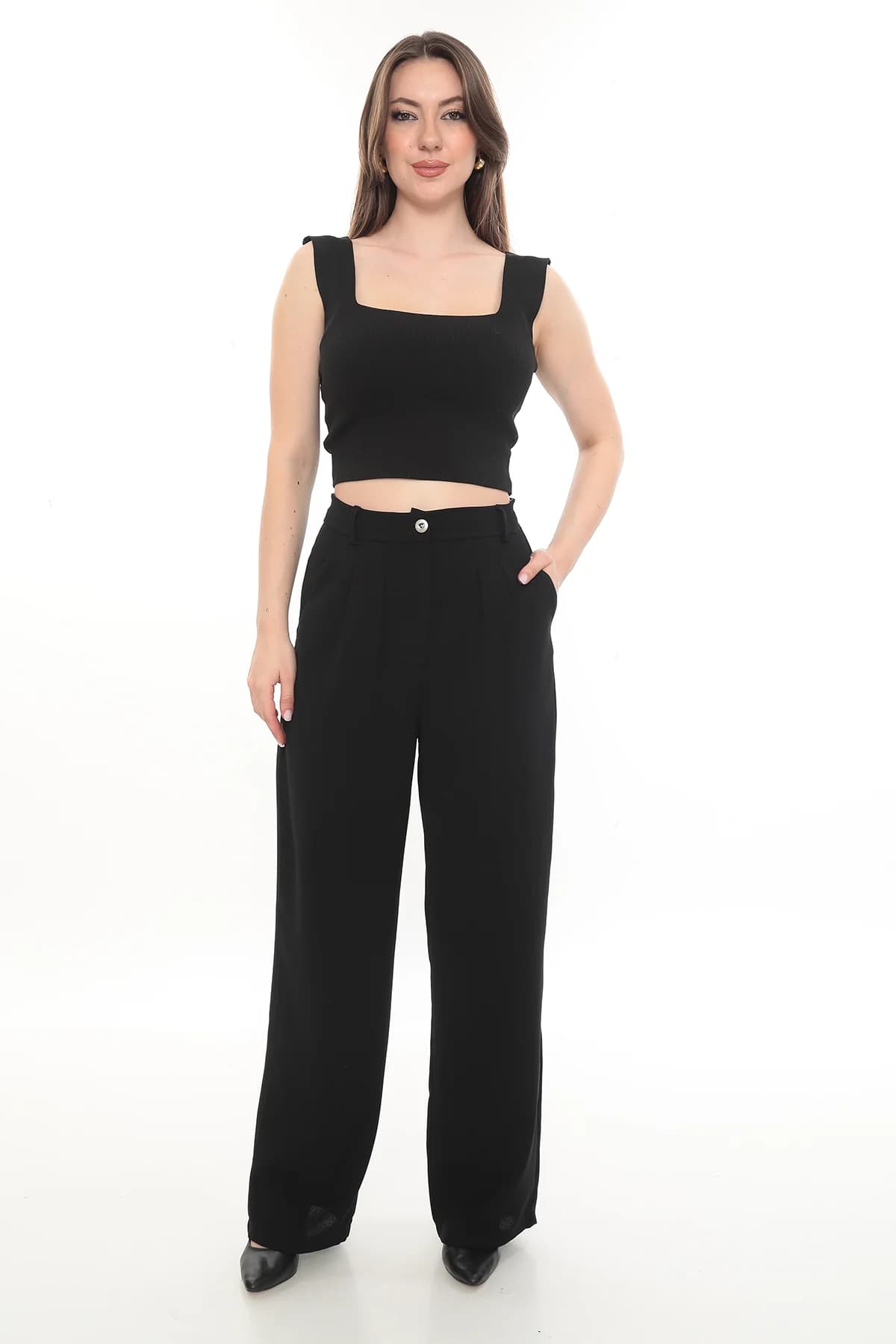
| Women's ready-to-wear | Dresses, skirts, shirts, trousers, sets, work and evening outfits | Age group, sizes (including plus sizes), season |
| Modest wear | Long loose abayas, khimars in different fabrics, two-piece sets, long skirts | Fabric, length, colours, pieces per colour |
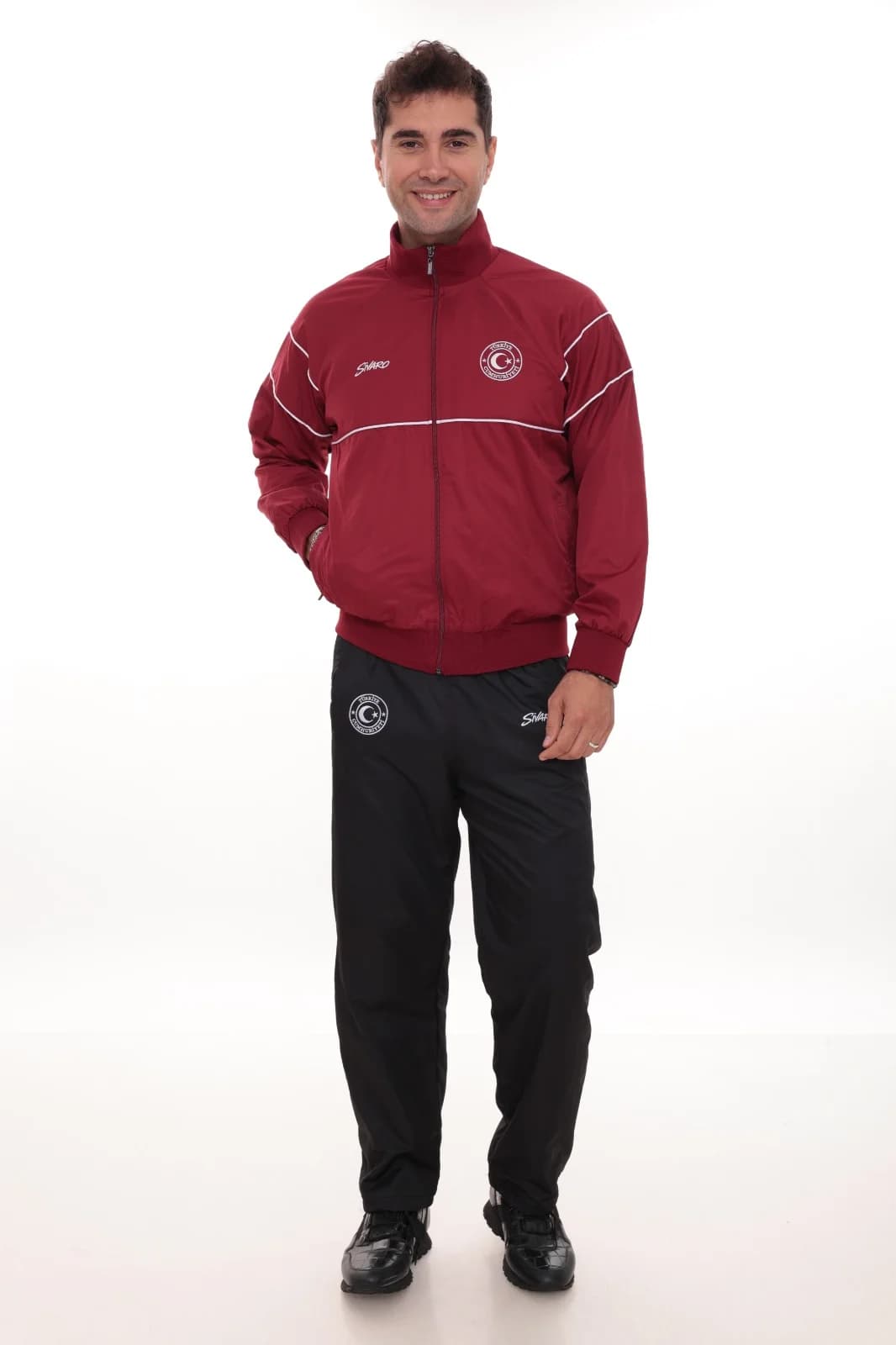
| Sportswear | Tracksuits, joggers, leggings, kids' sportswear | Fabric (cotton or breathable), sizes, men's, women's or kids' |
| Kids | Girls and boys, kids' sportswear, occasion dresses | Ages per series, fabric |
| Men's | Two- and three-piece suits, quilted jackets, T-shirts | Sizes (48 to 58 for suits), composition |
| Nightwear and underwear | Pyjamas, nightdresses, dressing gowns, underwear | Sizes, season, material |
Recent requests on Tafric show this mix: women's ready-to-wear, abayas, khimars and sets in Morocco, tracksuits and kids' sportswear in Algeria, wool men's suits in sizes 48 to 58, pyjamas and underwear in Tunisia. Some traders also look for fabrics (silk, cotton) or stock lots.
How Turkish series and sizes work
Many Turkish wholesalers sell by series rather than by piece: a series is one style in a set of sizes, for example one piece of each size from S to XL. The number of pieces and size split differ by supplier, so ask for the size chart in centimetres. Kids' clothing is sold in age series and men's suits in size series (48, 50, 52…). Ask how many pieces are in a series, whether colours can be mixed and the minimum per style. Made-to-order production (your own style or fabric) usually needs larger quantities and more time.
What drives the price
There is no single price: it depends on the fabric and composition, the style, sewing quality and finishing, the quantity and series, whether goods are in stock or made to order, and packaging and labels. To compare, ask each supplier for the price per piece and per series with the same details, and the delivery basis: ex-warehouse (EXW), loaded on board at the port (FOB) or sea freight included to your port without insurance (CFR). Then add freight, duties, taxes and local costs.
How to import clothing from Turkey, step by step
1) Make your list: styles, sizes, quantities, colours. 2) Check your country's conditions for your activity and goods before paying: trade register, approvals, duties and taxes. 3) Post a free request on Tafric and ask for photos and, if possible, a sample. 4) Agree price, incoterm, payment and shipping date in writing. 5) Choose with your forwarder a full container, LCL or air for samples. 6) Prepare the invoice, packing list, bill of lading and proof of origin for clearance.
Shipping, customs and country rules
Turkish ports are Ambarlı near Istanbul, Mersin and Izmir; arrival ports include Algiers, Oran and Béjaïa, Casablanca and Tanger Med, Radès, Tripoli and Misrata. Not every line calls directly at every port and transit time depends on the service, so ask your forwarder for the schedule. Rules have changed several times; check before each order:
Algeria: since July 2025, importers need the visa of the Ministry of Foreign Trade and Export Promotion on their provisional import programme (PPI), filed each semester on the ministry's digital platform according to their activity (resale as is, or raw materials and equipment). The system was renewed in 2026 and extended to vehicle imports. Bank domiciliation and customs clearance depend on this visa, and goods for resale are paid by documentary credit (Credoc) or documentary collection (Remdoc), not by free advance transfer: check your file with the ministry and your bank before ordering.
Morocco: the free trade agreement with Turkey has applied since 2006, but since the 2020 amendment Turkish products on the negative list (about 1,200 products, mostly textiles and clothing, leather, automotive, metal, wood and electrical goods) pay a duty equal to 90% of the standard (MFN) duty, not 90% of the value, for five renewable years; the two countries are holding consultations on the list. Check whether your product is listed and which proof of origin you need to use the agreement.
Tunisia: the free trade agreement with Turkey has applied since 2005; after its revision in December 2023, customs duties returned on a list of Turkish industrial products that are also made locally, including cleaning products, tyres, ready-made clothing and plastic goods, at up to 75% of the normal duty from January 2024 for three years, then reduced gradually over two years. Check the rate for your product's tariff line (HS code).
How Tafric works
Before buying from any website or supplier, check the company, minimum order, size chart, payment and shipping terms, and ask for a sample before a large transfer. On Tafric, posting a request is free and unlimited: Turkish suppliers in the category see it and interested ones contact you directly, without travelling to Istanbul. Post your request, browse clothing from Turkish suppliers or read our guides on abayas and hijabs, baby and kids' clothes and importing from Turkey to North Africa.
Frequently asked questions
Where can I buy Turkish clothes wholesale in Istanbul?
The best-known wholesale districts are Laleli, Osmanbey, Merter, Zeytinburnu, Güngören and Bayrampaşa; babywear is widely produced in Bursa. Instead of travelling, you can post a free request on Tafric and Turkish suppliers contact you directly.
How do I import clothes from Turkey to Algeria?
You need a trade register that allows importing, the visa on your provisional import programme (PPI) before bank domiciliation, payment by Credoc or Remdoc, then invoice, packing list and bill of lading for clearance. Check current procedures before paying.
How do I import clothes from Turkey to Morocco?
Check your goods' HS code and whether they are on the negative list that pays a duty equal to 90% of the standard duty, agree shipping and payment with the supplier, and prepare documents and proof of origin with your customs broker.
How do I import clothes from Turkey to Tunisia?
Check the duty applied to Turkish goods after the December 2023 revision (up to 75% of the normal duty depending on the product), agree price and shipping with the supplier, and prepare the invoice, packing list and proof of origin.
What is the minimum order with Turkish wholesalers?
It differs by supplier. Stock is often sold by series per style; made-to-order production needs larger quantities. Ask for the minimum and whether colours and styles can be mixed.
Can I buy Turkish clothing wholesale without travelling?
Yes: post a free request on Tafric, receive photos and prices from interested Turkish suppliers and ask for samples before your first order.