



ON THIS PAGE
Tafric request data as of November 1, 2026
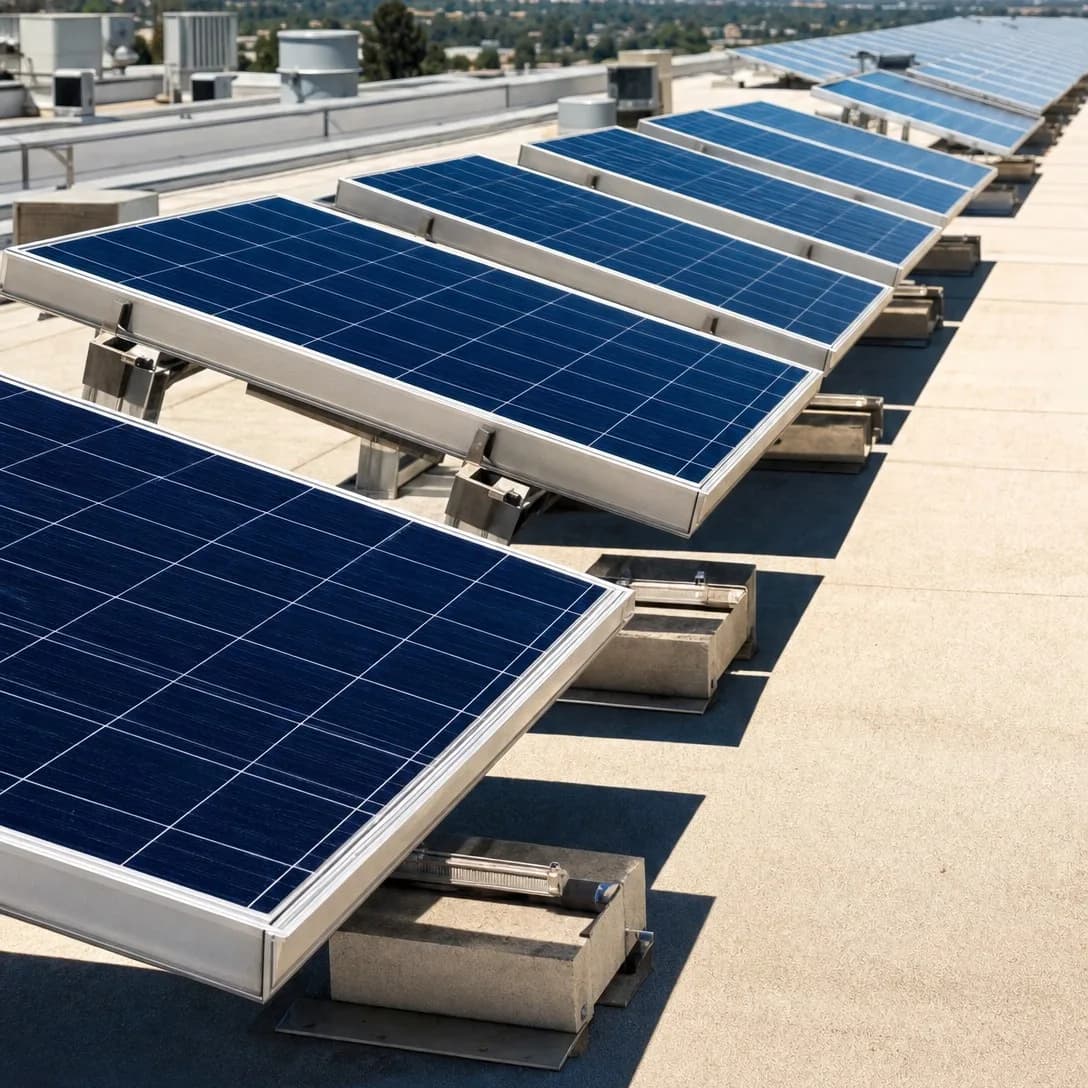
Yes, you can buy solar panels, hybrid inverters and lithium batteries wholesale from Türkiye: the country has a large module manufacturing industry, makes mounting structures, PV cable, switchgear and lighting poles, and ships to West Africa in roughly 2-4 weeks. This guide is for installers, electrical contractors, appliance shops and farm owners in Nigeria, Ghana, Kenya, Zimbabwe and the rest of English-speaking Africa who want to source directly from Turkish manufacturers and wholesalers: what to specify, how Türkiye compares with China, what drives the price and how lithium batteries travel.
Short answer
Start from the load, not the product: what must run, for how many hours, and whether you have grid or generator backup. From that, size the panels (W), the inverter (kW or kVA) and the battery (kWh at a stated voltage). Turkish factories make solar modules, mounting structures, PV cable, switchgear, pumps and lighting poles; inverters and battery cells are often imported and assembled, branded or distributed in Türkiye. Ask for IEC test certificates and written warranties, and plan lithium batteries as dangerous goods from day one.




Turkey or China for solar equipment?
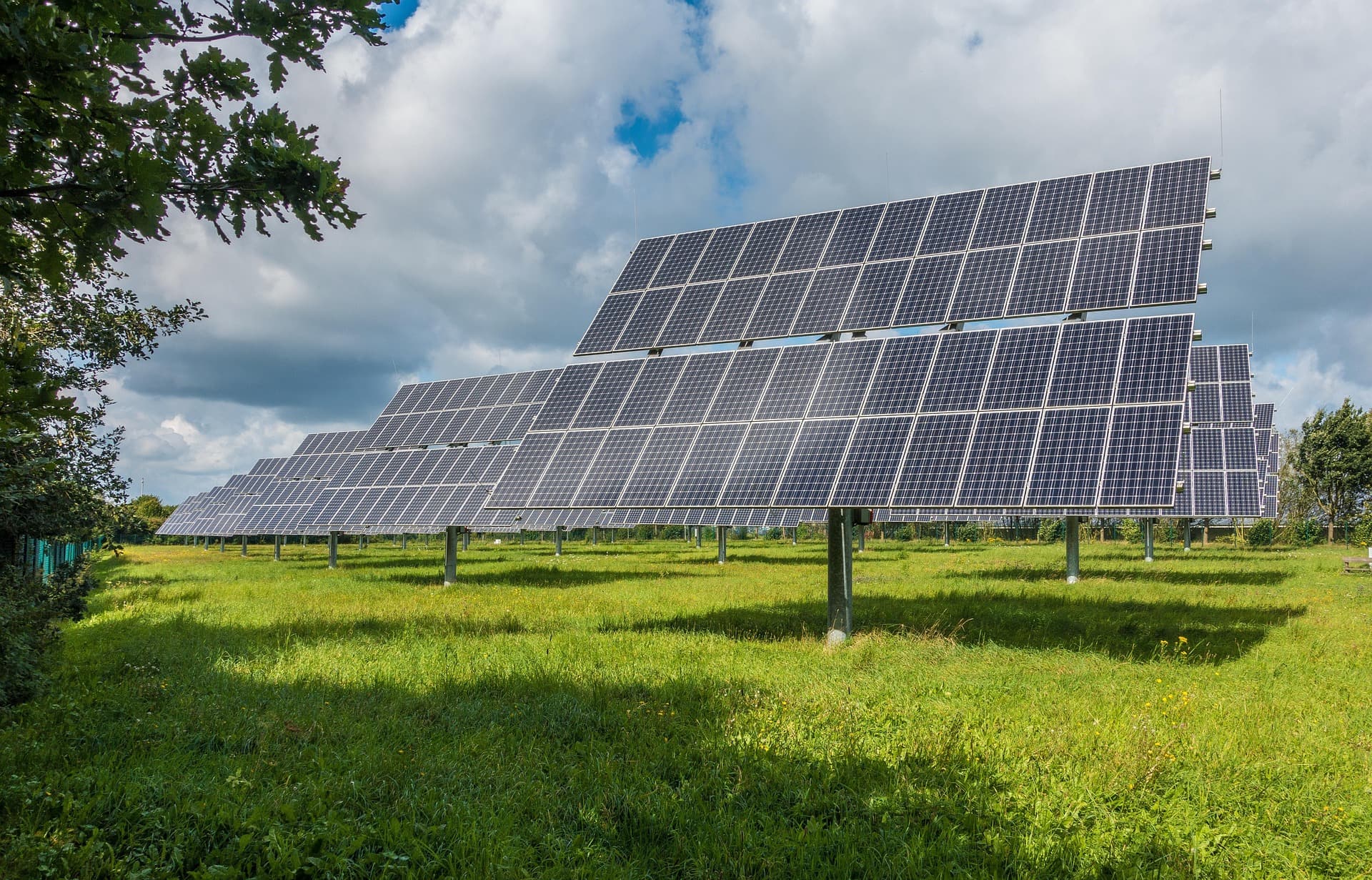
Buyers usually compare the two. China dominates the whole solar chain, from silicon to cells, and has the widest choice and the lowest prices on panels, inverters and battery cells. Türkiye has a large solar module manufacturing industry that also sells to Europe; much of it buys cells abroad, with some local cell production, so ask whether the module and the cell come from the same factory, so many suppliers are used to IEC certification, datasheets and inspection. Its practical strengths for an African project are the rest of the system around the panel (steel and aluminium mounting, cables, DC and AC protection, pumps, poles) and a shorter sea route to West Africa (East African ports are reached through the Suez Canal, so the gap with China narrows there). Compare the same specification and the full delivered system, not the panel price alone.
What buyers ask for
Requests posted by African buyers fall into a few groups. Engineering and installation companies want wholesale supply: 550-650 W monocrystalline modules (PERC or TOPCon cells, single-sided or bifacial), single- and three-phase hybrid inverters with MPPT and BMS communication with the battery (CAN or RS485), and LiFePO4 batteries at 12.8 V, 25.6 V or 51.2 V. Households and small shops want a small kit: two to four panels, an MPPT charge controller, a 3 kVA-class inverter and one 'good battery'. Shops add 'solar generators' (all-in-one inverter and battery units) to their range. Farms ask for surface and submersible solar water pumps, and one recurring request is a solar-powered cold room for meat, fish or vegetables.
| Product | Specify in your request |
|---|---|
| Solar panels | Wattage (e.g. 550 W, 650 W), cell technology (PERC or TOPCon), bifacial or single-sided, quantity in pieces or pallets |
| Hybrid inverter | kW or kVA, single or three phase, battery voltage (24 V / 48 V), grid and generator input |
| Lithium battery (LiFePO4) | Voltage, Ah or kWh, wall-mounted or rack, BMS communication with your inverter |
| Complete system / kit | Your load list (lights, TV, fridge, freezer, pump) and hours of use |
| Solar street light / floodlight | Wattage, all-in-one or split, pole height, lighting hours per night |
| Solar water pump | Surface or submersible, head (m), flow (m³/h), well depth, AC or DC |
Vague requests such as 'solar products, 200 tons' get slow answers. A request with wattages, voltages and quantities lets manufacturers check stock and reply with a real price instead of asking questions first.
What drives the price
Search terms such as 'solar panel price in Nigeria' or '5kva hybrid inverter price' cannot be answered with one number: prices move with module and lithium costs and the exchange rate. Compare suppliers on the same items: panel wattage and cell type; inverter rating and phase; battery chemistry, capacity and cycle rating; warranty length and who handles claims; accessories (mounting, cable, combiner boxes, breakers, surge protection); packing; and the price to your port (CFR). A complete kit is easier to compare and install; installers who already stock part of the system often buy components only.
Two things cost buyers more than the price difference between suppliers. First, over-rated labels: a '200 Ah' battery that delivers far less, or a '550 W' panel that tests lower. Ask for the flash-test report of the panels you receive and the battery's rated capacity at a stated discharge rate, and test a sample before the main order. Second, the warranty: panels usually carry a product warranty of around 10-12 years and a performance warranty of 25 years or more; lithium batteries are warranted by cycles or years at a stated depth of discharge; inverters usually for a few years. A warranty is only worth what the supplier will do from abroad: agree in writing whether faulty units are replaced, repaired or credited, and who pays the freight.
How to import solar equipment from Turkey, step by step
1) Write your load list or project size, the voltage you work with, and grid or generator backup. 2) Post a request with the items, quantities and your port or city. 3) Ask each supplier for datasheets, IEC 61215/61730 test certificates for panels, IEC 62109 for inverters, IEC 62619 (or equivalent) for the battery pack, the battery's UN 38.3 test summary and safety data sheet, and a flash-test (I-V) report for the panels you receive. 4) Agree the warranty in writing: what is covered, for how long, and how faulty units are replaced from Africa. 5) Confirm packing: panels on pallets with corner protection, batteries in dangerous-goods packaging. 6) Your clearing agent clears the cargo with the invoice, packing list, certificate of origin and any inspection certificate your country requires.
Shipping, batteries and country rules
Panels, inverters and mounting ship by sea container. Port-to-port transit from Türkiye to West Africa is roughly 2-4 weeks depending on the service and transhipment (direct services at the short end); ask your forwarder for the current schedule. Transit to Mombasa or Dar es Salaam runs through the Suez Canal and is usually longer; ask your forwarder for the current schedule.
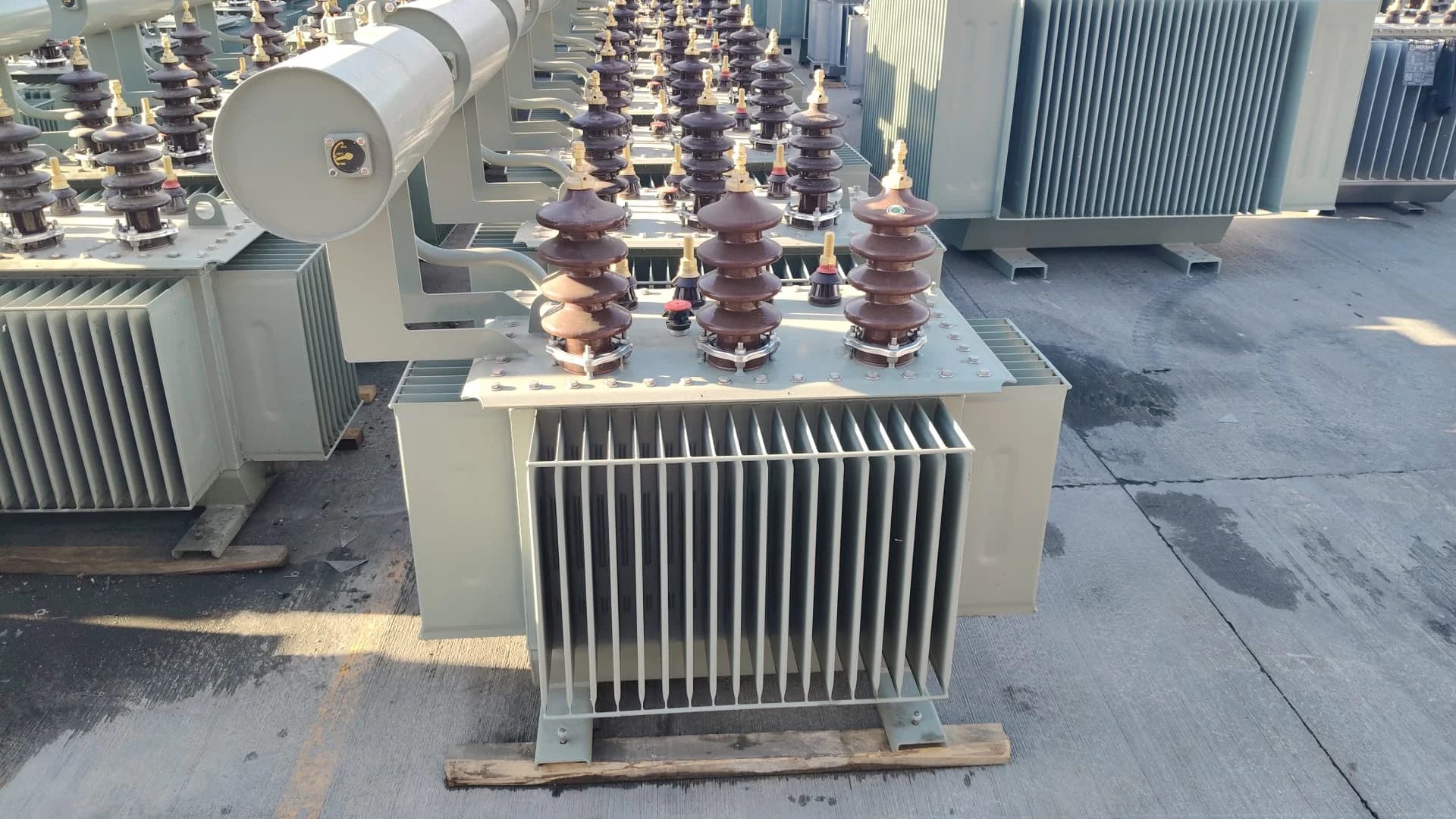
Lithium batteries are Class 9 dangerous goods: UN3480 when shipped on their own, UN3481 when packed with or built into equipment, such as all-in-one street lights and solar generators. By sea they need a shipper's dangerous-goods declaration under the IMDG Code, UN-approved packaging, Class 9 labels and the UN 38.3 test summary; the supplier prepares these as shipper, but check that your forwarder has handled lithium before. Some carriers restrict lithium cargo or need prior approval, so book early. Lead-acid batteries are also dangerous goods, with their own rules.
Nigeria lists solar panels, inverters and batteries among SONCAP-regulated products and requires Form M through your bank; duty, VAT and policy on solar imports have changed more than once in recent years, so confirm the current tariff and prohibition list with your clearing agent before ordering. Kenya applies KEBS PVoC inspection, and the energy regulator EPRA licenses solar PV importers, vendors, technicians and contractors; the VAT treatment of solar items has also changed in recent years, so check both before you price a project. In Ghana, the Energy Commission licenses companies that import and sell solar products commercially, and imports pass Ghana Standards Authority checks; confirm with your agent which of your items need registration. Our guides on pre-shipment inspection and importing from Türkiye to Nigeria, Kenya and Ghana cover the paperwork.
Solar often sits next to a generator, not instead of it. For that side, see Nigeria's generator and power-equipment imports; if you need refrigeration on solar, read our cold room buyer's guide.
How Tafric works for buyers
Posting a request is free. Tafric checks it before it goes live; Turkish manufacturers and wholesalers of solar equipment then see it and contact you directly. You compare, ask for documents and agree terms with the supplier you choose. Post your request or browse renewable energy products from Turkish suppliers.
Frequently asked questions
Are there solar panel manufacturers in Turkey?
Yes. Türkiye has many solar module factories, several of them also selling to Europe and working to IEC standards. Turkish companies also make mounting structures, PV cable, switchgear, pumps and lighting poles. Inverters and battery cells are often imported and assembled or distributed in Türkiye, so ask each supplier where every part is made.
How much is a solar panel in Nigeria?
It depends on the wattage, cell type, quantity, warranty and the exchange rate, and prices change often, so a single figure is misleading. Post the wattage and quantity you need and compare suppliers' prices delivered to Lagos or your port, then add duty and clearing.
What is the best lithium battery for solar?
For solar storage, LiFePO4 (lithium iron phosphate) is the common choice for its safety and cycle life. Compare voltage (12.8, 25.6 or 51.2 V), capacity in kWh, the cycle rating at a stated depth of discharge, the warranty, and whether the BMS communicates with your inverter.
Solar generator or solar inverter: which is better?
A solar generator is an all-in-one unit with the inverter and battery in one box: simple to sell and install for small loads. A separate hybrid inverter with external batteries is easier to expand and repair, and suits larger homes, shops and businesses.
How do I buy solar panels wholesale from Turkey?
Post a request with the panel wattage, type and quantity, plus any inverters, batteries and accessories, and your port. Turkish suppliers contact you directly; compare datasheets, IEC certificates, warranty and the delivered price, then arrange inspection and shipping.
How are lithium batteries shipped from Turkey to Africa?
By sea as Class 9 dangerous goods (UN3480, or UN3481 inside equipment), with a dangerous-goods declaration, approved packaging and labels, and the UN 38.3 test summary. Book early, as not every sailing accepts them.
Can I import solar panels from Turkey to Nigeria?
Yes. Solar panels, inverters and batteries are imported into Nigeria under SONCAP with Form M through your bank; duty and VAT on solar items have changed over time, so confirm the current tariff with your clearing agent. Lithium batteries also need dangerous-goods paperwork for the sea leg.