



ON THIS PAGE
Tafric request data as of November 1, 2026
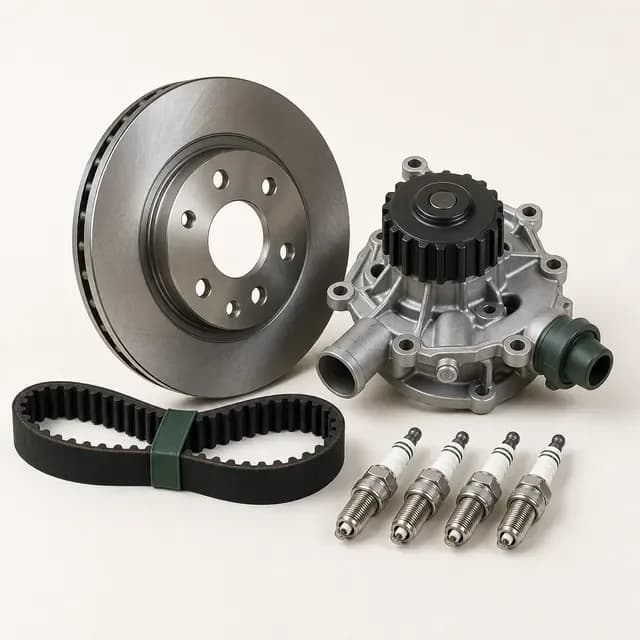
Car and truck spare parts wholesale from Turkey means buying new parts straight from factories that also supply assembly lines and the aftermarket: brake pads and discs, filters, shock absorbers and suspension, clutch kits, engine parts, body panels, electrics, batteries and lubricants, for cars, pickups, minibuses, buses and trucks. This guide is for dealers, distributors, fleet owners and garages in Nigeria, Ghana, Kenya, Tanzania, Uganda, Zambia and Zimbabwe who restock by the carton, pallet or container.
Short answer
Turkish automotive suppliers sell new parts in wholesale quantities: original-equipment (OE) parts, OEM-equivalent parts built to match the original part's dimensions and performance, and aftermarket ranges under their own brands. Send a parts list with OEM numbers or vehicle make, model, year and engine code, quantities per line and your port, and compare suppliers on catalogue coverage, packaging and restock time, not only on unit price. Factories work in production runs, so Tafric suits buyers who order by the carton, pallet or container; for a single part for your own car, a local dealer or an online shop will be quicker.







Turkey, China, Dubai or Japanese used parts?
Buyers in Africa typically weigh four sources. China offers the widest price range and huge volumes; quality varies from factory to factory, so testing and inspection matter more. Dubai and Sharjah are trading hubs: dealers there stock parts made in Japan, Europe, China and Türkiye, which is convenient for small mixed orders but adds a trader's margin. Japan, the UK and the UAE are the classic sources of used engines, gearboxes and half-cuts. Türkiye is a manufacturing base: it builds cars, vans, buses and trucks for European and Asian brands, and its parts industry supplies those assembly lines as well as the aftermarket. Buying from a Turkish factory means new parts, a direct line to the producer and a sea route to Africa counted in weeks.
Be precise about one point. A part made by a factory that also supplies an assembly line is not automatically 'original' when sold in your market under another brand. Ask each supplier whether a part is OE, OEM-equivalent or aftermarket, and which standard or test report backs it. Be wary of 'genuine' branded parts priced like aftermarket. Parts sold in a vehicle maker's branded box without that maker's authorisation are counterfeit: customs can seize them and you lose the whole consignment. A Turkish factory sells under its own brand or in neutral packaging; the part number cross-reference, not the box, tells you what fits.
Which parts you can source in bulk
| Part group | Typical items | What to send the supplier |
|---|---|---|
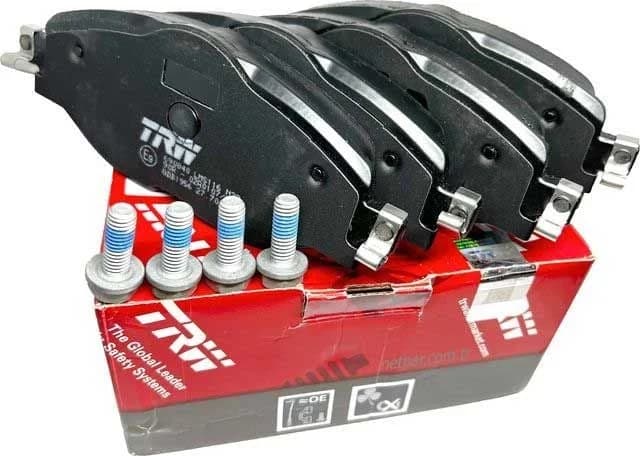
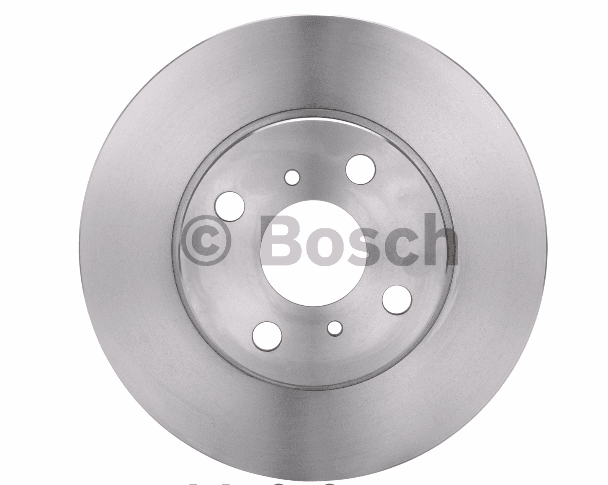
| Brakes | Pads, shoes, discs, drums, cylinders, air-brake parts for trucks | OEM number or make, model, year; axle (front or rear) |
| Filters and service kits | Oil, air, fuel and cabin filters, spark plugs, belts | Engine code; whether you want mixed service kits |
| Suspension and steering | Shock absorbers, coil and air springs, ball joints, tie rod ends, bushes | Vehicle model, drive type, left- or right-hand drive |
| Clutch and gearbox | Clutch kits, pressure plates, release bearings, gearbox parts | Engine and gearbox code |
| Engine parts | Gaskets, pistons, liners, water pumps, injectors, turbo parts | Engine code, diesel or petrol, emission level |
| Body and lighting | Bumpers, mirrors, panels, headlamps, tail lamps | Model and facelift year, photos |
| Electrics, batteries, lubricants | Starters, alternators, sensors, batteries, engine and gear oils | Voltage, terminal layout, oil grade and pack size |
Requests from English-speaking Africa range from service kits for Toyota Hilux, Land Cruiser and Hiace, Nissan, Mazda and Isuzu pickups to European truck parts for Mercedes-Benz Actros, MAN, DAF, Iveco, Renault, Scania and Volvo, and tanker-trailer parts such as bottom valves and air springs. Some buyers simply ask for 'Grade A' quality: put the standard or test you expect in writing instead.
Car or truck: matching the part to the vehicle
Wrong fitment is one of the costliest mistakes in this trade: a container of parts that does not fit your local fleet will not sell. Match your order to what actually runs in your market. Turkish catalogues are deepest for European trucks and buses and for cars widely sold in Türkiye and Europe; many factories also make parts for Toyota, Nissan, Hyundai and other Asian models, but coverage differs by part. In East and Southern Africa, where traffic drives on the left, fleets include many right-hand-drive Japanese imports, so confirm that steering, lighting and some body parts are right-hand-drive versions. Türkiye itself drives on the right, so Turkish catalogues default to left-hand-drive references; brakes, filters, suspension and most engine parts are the same on both sides, but steering racks, headlamps, wiper linkages and dashboards are not. For trucks, give the model generation (for example Actros MP2, MP3 or MP4), axle configuration and engine.
Three habits save money. First, send the OEM number for every line and ask the supplier for its cross-reference list, so you can check what their number replaces. Second, give the VIN of two or three typical vehicles for each model you stock; the supplier can confirm the exact variant (engine, brake size, facelift) instead of guessing from the model name. Third, put the warranty in writing per part group: period or kilometres, what counts as a defect, how claims are documented (photos, part return) and whether replacements are credited on the next order.
What drives the price
The unit price depends on the quality tier (OE, OEM-equivalent or economy aftermarket), materials (for example the friction compound in brake pads or the steel in discs), branded or neutral packaging, order quantity per reference, and whether the supplier holds the part in stock or must produce it. Freight is part of the cost: heavy parts such as discs, drums and batteries fill a container by weight before volume. Ask every supplier for a line-by-line price list with the minimum order per reference and the delivered price to your port (CFR), so you can compare like for like.
How to import car parts from Turkey, step by step
1) Build your order from what sells in your market: list the part groups, vehicle models and expected monthly quantities. 2) Post a request with the parts list, OEM numbers where you have them, photos of samples and your port. 3) Compare suppliers on catalogue coverage, quality tier, packaging and labelling with part numbers and barcodes, stock levels and restock time. 4) Order samples of your best sellers and test them on vehicles in your garage network. 5) Agree payment terms, conformity documents and a mixed-container plan. 6) Your clearing agent clears the goods with the commercial invoice, packing list, bill of lading, certificate of origin and any certificate your country requires.
Shipping, SONCAP, PVoC and used parts
Sea freight from Türkiye to West Africa takes roughly 2-4 weeks port to port, depending on the service and transhipment (direct sailings at the short end). Mombasa and Dar es Salaam are reached via the Suez Canal and usually take longer; landlocked markets such as Zambia, Zimbabwe and Uganda add an overland leg from Dar es Salaam, Beira, Durban or Mombasa. Ask your forwarder for the current schedule and the cost of the inland leg.
In Nigeria, auto spare parts such as brake pads, shock absorbers, fan belts and spark plugs fall under SONCAP: your supplier obtains a Product Certificate for the product, then a SONCAP Certificate for each shipment, and you need the Product Certificate to open your Form M. In Kenya, new spare parts are regulated under KEBS PVoC: the consignment needs a Certificate of Conformity from a KEBS-appointed inspection company before it ships, so plan the inspection into your lead time. KEBS also bans the import of certain used safety parts, such as brake pads, filters and clutch plates, which is one more reason to buy these lines new. Zimbabwe's CBCA programme covers many vehicle parts and tyres, with the certificate issued before shipment; in Ghana, vehicle spare parts are treated as high-risk goods by the Ghana Standards Authority and need conformity documents. Uganda and Tanzania run their own pre-shipment schemes. Rules and appointed inspectors change often, so confirm the current requirements with your clearing agent before you order. Our guides on pre-shipment inspection, importing from Türkiye to Nigeria, to Kenya and to Ghana cover the paperwork, and the ZIMRA duty calculator helps Zimbabwean buyers estimate landed cost.
How Tafric works for parts buyers
Posting a request is free. Tafric checks each request before it goes live; Turkish automotive manufacturers and wholesalers then see it and contact you directly. You compare their catalogues and terms, ask for samples and agree the order with the supplier you choose. Post your request with your parts list and quantities, or browse car spare parts and the full automotive range from Turkish suppliers. For more on choosing suppliers, read how to find and verify Turkish manufacturers.
Frequently asked questions
Are there auto parts manufacturers in Turkey?
Yes. Türkiye has a large automotive parts industry that supplies vehicle assembly plants and the aftermarket: brakes, filters, suspension, clutch, engine, body, lighting and electrical parts, for cars, buses and trucks. Many of these factories export and sell in wholesale quantities.
Is it cheaper to buy spare parts from Turkey or China?
China usually has the lowest entry prices; Türkiye competes on factory-direct new parts, deep European truck and bus coverage and shorter sea transit to Africa. Compare the delivered price to your port for the same quality tier, plus samples, packaging and restock time.
Where can I buy Scania, Volvo or Mercedes truck spare parts in Turkey?
Turkish suppliers make and stock parts for European trucks such as Mercedes-Benz, MAN, DAF, Iveco, Renault, Scania and Volvo. Send the model generation, engine and OEM numbers, and ask whether each part is OE, OEM-equivalent or aftermarket.
Can I find Toyota spare parts in Turkey?
Yes. Many Turkish factories make service parts, brakes, filters and suspension for popular models such as the Hilux, Corolla and Hiace, but coverage varies by part. Send your list with OEM numbers and check right-hand-drive versions where it matters.
Can I import car parts from Turkey to Nigeria?
Yes, as long as each shipment meets SONCAP: auto spare parts need a product certificate and a shipment certificate, alongside Form M. Ask your clearing agent to confirm the requirements for your HS codes before you order.
Are auto parts made in Turkey good quality?
Quality depends on the factory and the tier you buy: OE, OEM-equivalent or economy aftermarket. Ask which tier each part is, which standard or test report backs it, and test samples on your own vehicles before ordering a container.
Can I buy auto parts from Turkey online?
Yes. On Tafric you post your parts list once and Turkish manufacturers and wholesalers contact you; you compare catalogues and terms and order from the supplier you choose. There is no marketplace checkout: wholesale orders are agreed directly with the factory.