



ON THIS PAGE
Tafric request data as of November 1, 2026
You can buy air conditioners from Turkey in two ways: directly from Turkish manufacturers of splits, VRF and HVAC equipment, or from the Turkish distributors of international brands. Both export to Africa, and both are on Tafric. This guide is for dealers, contractors, hotels, clinics and businesses in Nigeria, Ghana, Kenya and the rest of Africa: which unit fits which space, how hp converts to BTU, what to ask for heat, power and solar, what drives the price and how to import step by step.
Short answer
Turkish suppliers cover the full range, from wall-mounted splits to VRF, chillers and air handling units, plus copper pipe, insulation and ducting. Start your request from the space you need to cool (or, for a dealer, the mix of capacities), state the capacity in BTU as well as hp, and say what power you have. Ask for units rated for high outdoor temperatures, a wide voltage range and the refrigerant your market expects, usually R32 or R410A.





Turkey, China or Dubai?
Buyers compare three main sources. Chinese factories offer the widest range and usually the lowest list price, with a longer sea route to Africa. Dubai and Gulf traders hold stock of Asian brands and can ship quickly, but you are paying a trader's margin. Turkey has both manufacturers that build air conditioners and HVAC equipment (VRF, air handling units, fan coils, chillers, ducting) and distributors of international brands, so ask each supplier whether the unit is made in Turkey or distributed, and get the certificate of origin to match. Turkish suppliers are strong on project HVAC with installation support, ship CE-marked equipment and are closer by sea to West and North Africa than the Far East. Compare the full package delivered to your port.
Which air conditioner for which space?
| Space | Usual choice | Tell the supplier |
|---|---|---|
| Bedroom, living room, small office | Wall-mounted split, inverter, 9,000-24,000 BTU | Room size, sun exposure |
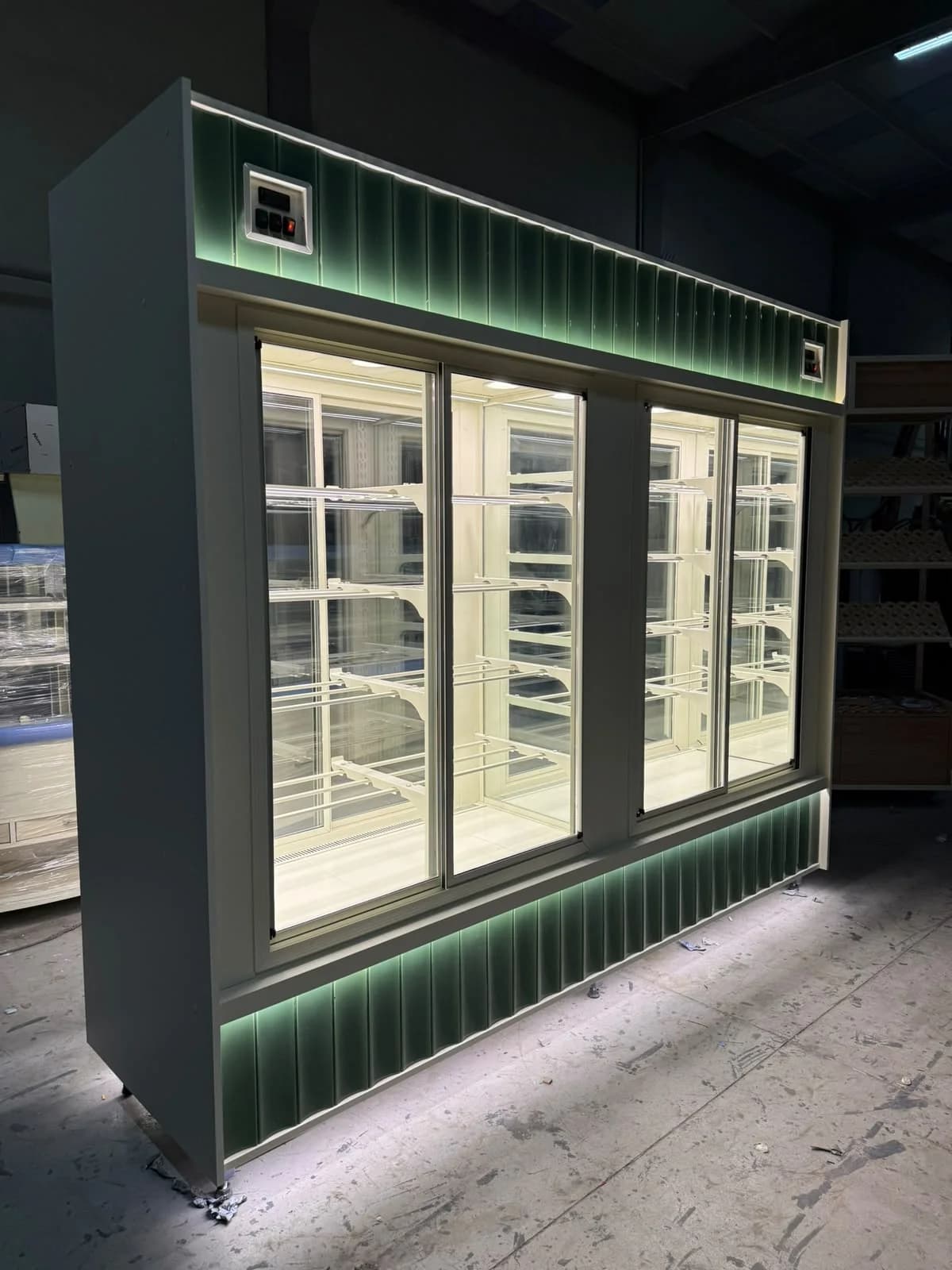
| Shop, restaurant, church, event hall | Floor-standing (standing AC) or cassette | Floor area, ceiling height, number of people |
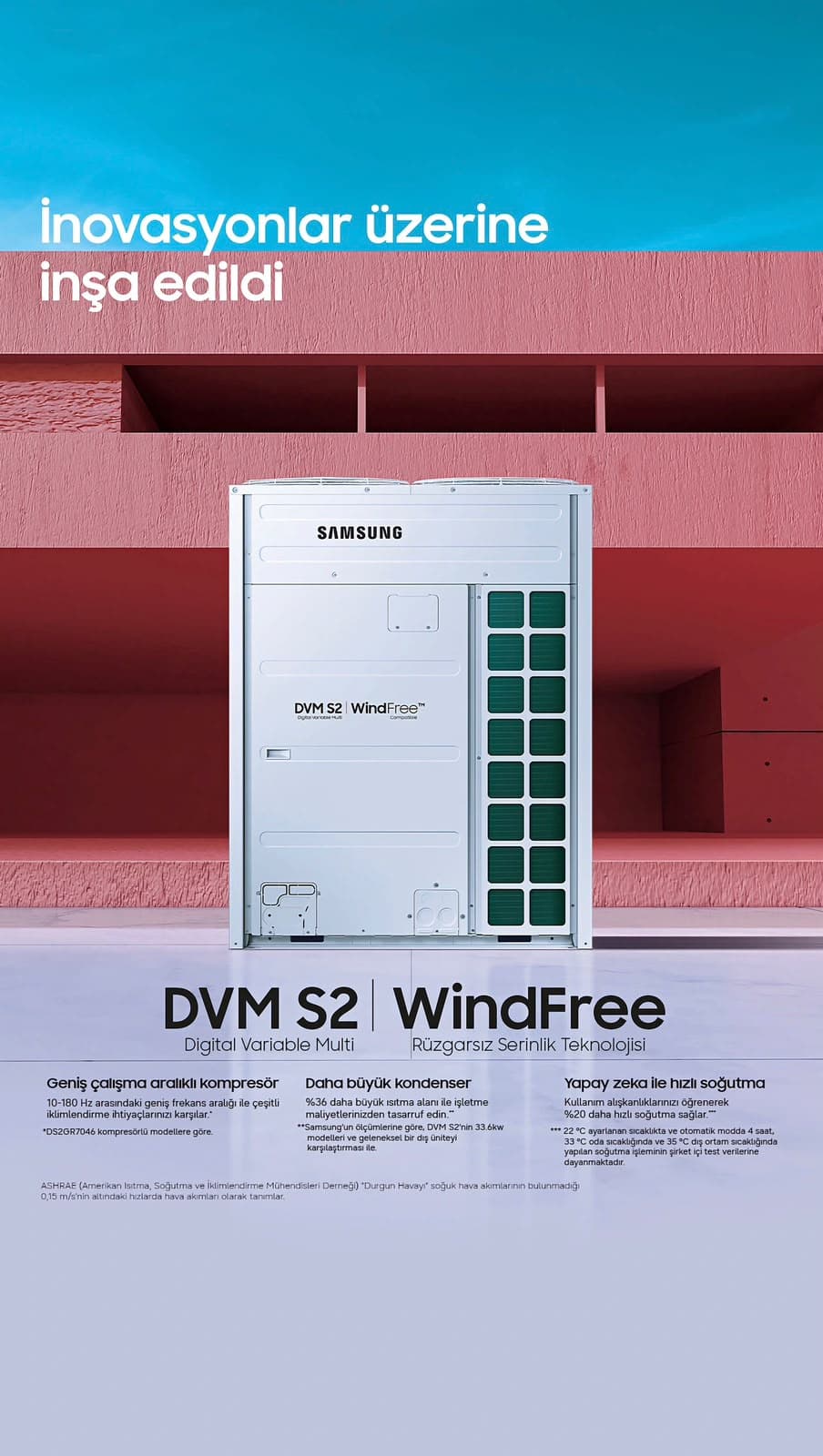
| Hotel, office building, apartments | Ducted, cassette, multi-split or VRF | Number of rooms, floors, drawings |
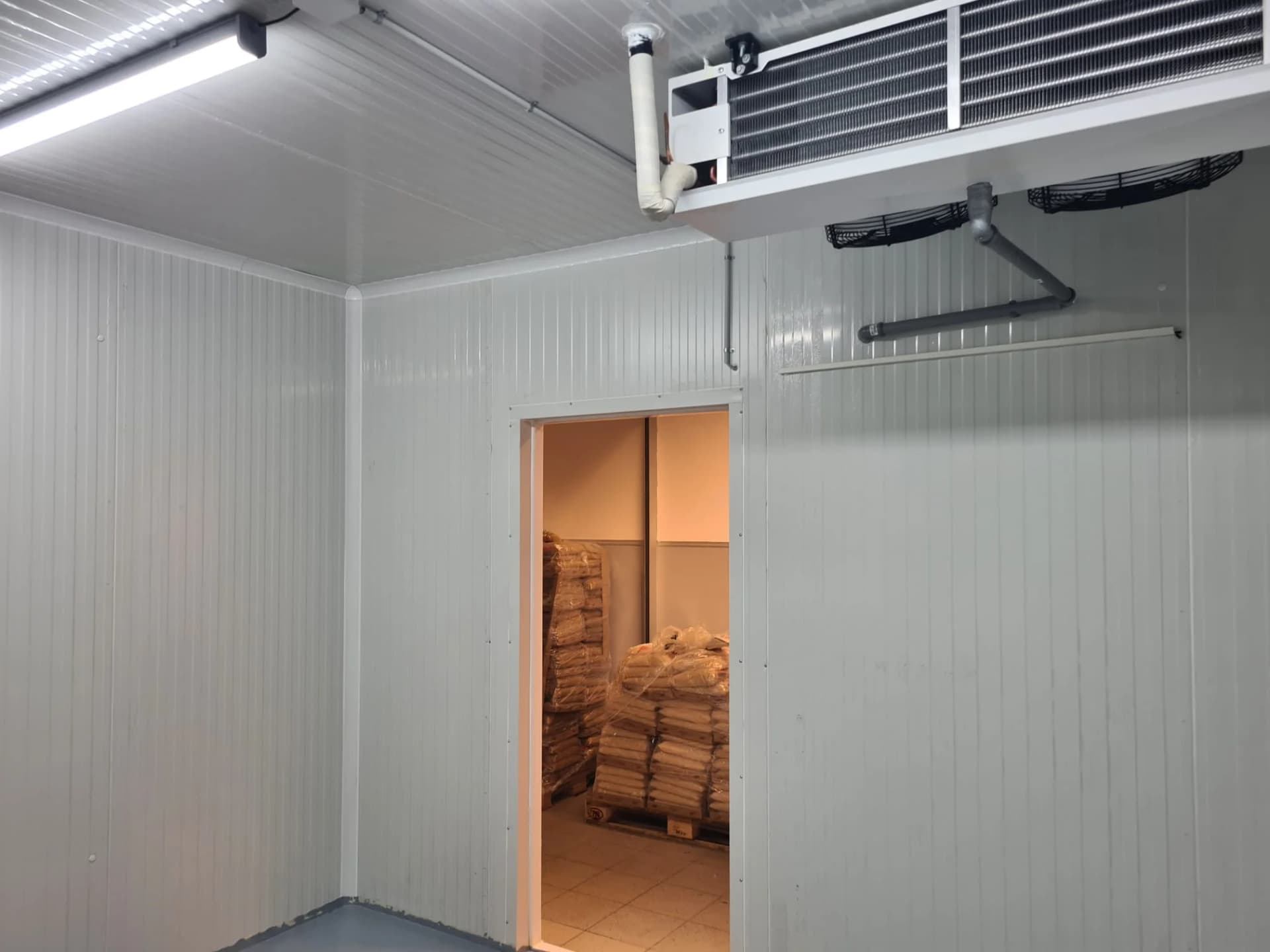
| Hospital, mall, factory | Chiller with air handling units or fan coils, package or rooftop units | Heat load or MEP drawings |
| Server or telecom room | Precision cooling, 24/7, N+1 redundancy | IT load in kW |
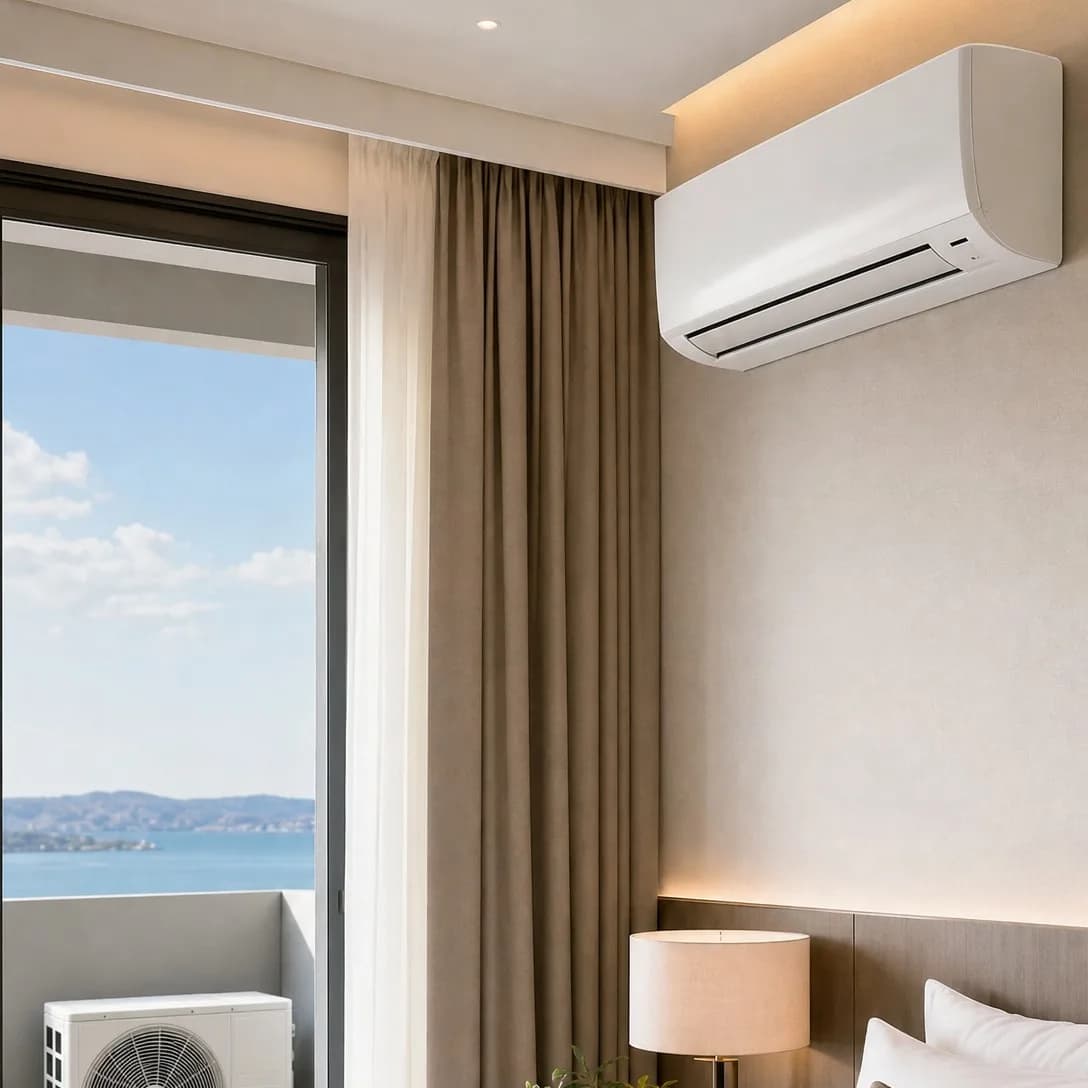
Recent requests on Tafric show this mix: dealers asking for 1 to 5 hp inverter splits by the hundred, often in R32, 9,000 to 36,000 BTU splits and cassettes, ceiling-concealed ducted units for a home, hotels of 20 to 30 rooms, a hospital building, event halls, and air-cooled chillers with pump sets. African buyers often give the capacity in hp, but hp is a market habit, not a precise rating. As a rough guide 1 hp is about 9,000 BTU/h (2.6 kW), 1.5 hp about 12,000 BTU/h (3.5 kW), 2 hp about 18,000 BTU/h (5.3 kW) and 2.5 hp about 24,000 BTU/h (7 kW); 3 hp is sold as anything from 24,000 to 30,000 BTU/h depending on the market, and one ton of refrigeration is 12,000 BTU/h. Always confirm the BTU or kW figure for each model.
Heat, power and solar
Ask for units built for hot climates: the T3 climate class (ISO 5151) means the unit is rated at 46 °C outdoor temperature and tested to keep running up to 52 °C, where a standard T1 unit is rated at 35 °C ('tropical compressor' in the Nigerian market), and coastal cities need a corrosion-protected condenser coil. These markets run on 50 Hz, with 220-240 V single phase and 380-415 V three phase; where voltage swings, ask for a wide operating voltage range or a voltage protector, and check that the unit runs on your generator and the lowest voltage it starts at. Turkish units run on 50 Hz like African grids; for plug-in floor-standing units in Nigeria, Ghana and Kenya, ask for a UK-type (type G) plug or fit one locally. Inverter compressors start softly and use less power at part load, which helps on generators and solar. Solar air conditioners are much asked about: DC and hybrid (AC/DC) solar air conditioners exist, but fewer suppliers make them, so ask for each model's power draw in watts and size your solar system from that. See our guide to Nigeria's generator and power-equipment imports for backup power.
What drives the price
The price depends on the capacity, inverter or fixed speed, efficiency (EER or SEER), refrigerant, T3 rating and coil protection, where the unit is made, what the installation kit includes (copper pipe length, cable, brackets), the remote or wired controller, the warranty and spare parts, the quantity and mix of models, and whether the warranty is valid in your country. Ask every supplier for the same itemised list per model and the price to your port (CFR).
How to import air conditioners from Turkey, step by step
1) Describe the spaces (rooms, floor area, ceiling height, sun) or, for a dealer, the capacities and quantities you sell, and give the BTU figure for each. 2) Post a request with your refrigerant and inverter preference, your power supply and your delivery port. 3) Compare suppliers on the same itemised list, and ask where the units are made, which compressor they use, the EER or SEER, and who honours the warranty in your country: an international brand's local distributor may not service units bought from its Turkish distributor, so get the warranty and spare-parts commitment in writing from the supplier you buy from. 4) Check your country's energy-label and conformity rules before you order, and ask for the test reports. 5) Order a spare-parts kit (control boards, fan motors, capacitors, sensors) and agree on installation support or training; R32 is mildly flammable (A2L), so your installers need R32 training and tools. 6) Units ship boxed, indoor and outdoor units separately, in a container; your clearing agent clears them with the invoice, packing list, bill of lading, certificate of origin and any conformity certificate your country requires. Our guide to finding and verifying Turkish manufacturers helps with step 3.
Shipping, customs and country rules
Count production time plus the sea leg: port to port to West Africa is roughly 2-4 weeks, depending on the service and transhipment (direct sailings at the short end); ask your forwarder for the current schedule. Energy rules are tightening. Nigeria applies SONCAP to electrical products, and SON's mandatory energy labelling scheme (standard NIS 943:2024) covers room air conditioners: models are registered with SON, the label is due to become a condition of market access by the end of 2026, and ducted and multi-split units follow in a later phase. Ghana bans imports of used air conditioners, requires the Energy Commission's efficiency standard and label, and banned imports of R22 (HCFC) air conditioners in 2025. Kenya requires a PVoC certificate, and each non-ducted air conditioner model must be registered with EPRA and carry its star energy label. Zimbabwe may require a CBCA pre-shipment certificate for regulated goods. Rules change, so confirm them with your clearing agent before shipping. See our guides on importing from Turkey to Nigeria, to Ghana, to Kenya and pre-shipment inspection.
How Tafric works for buyers
Posting a request is free. Tafric checks it before it goes live, then Turkish air conditioning manufacturers and suppliers see it and contact you directly. You compare, ask questions and agree terms with the supplier you choose. Post your request or browse air conditioning systems from Turkish suppliers.
Frequently asked questions
Can I buy air conditioners from Turkey?
Yes. Turkey has manufacturers of air conditioners and HVAC equipment as well as distributors of international brands, and both export to Africa. Ask whether each unit is made in Turkey or distributed, and compare like with like, delivered to your port.
How much is a 1.5 hp air conditioner in Nigeria?
It depends on inverter or fixed speed, efficiency, refrigerant, where it is made, the installation kit and the quantity you buy, so a single price is misleading. For bulk orders, post the capacities and quantities you need and compare suppliers' delivered prices model by model.
How many BTU is a 1.5 hp air conditioner?
In many markets a 1.5 hp unit is sold as about 12,000 BTU/h, or 3.5 kW of cooling. Because the hp label is a market habit rather than a precise rating, always check the BTU or kW figure on the data sheet.
Is there a solar air conditioner in Nigeria?
Yes. DC and hybrid (AC/DC) solar air conditioners exist, and a standard inverter unit can also run on a well-sized solar system. Ask the supplier for the unit's power draw in watts and size your panels, batteries and inverter from it.
Split or standing AC: which is better?
A wall-mounted split suits bedrooms, living rooms and small offices. A floor-standing unit throws more air and suits shops, halls and open spaces; for many rooms in one building, look at ducted, cassette or VRF systems.
How do I post an air conditioner request?
Describe the spaces or the capacities and quantities you need, give the BTU figure, your refrigerant and inverter preference, your power supply and your delivery port, then publish. It is free; suppliers who can deliver will get in touch.