



ON THIS PAGE
Tafric request data as of November 2, 2026
Small producers of juice, water, liquid soap, bleach, palm oil, honey and yoghurt in Nigeria, the DR Congo, Senegal, Kenya and Zimbabwe search for 'plastic bottles for packaging in Nigeria', 'PET bottles Turkey' and 'plastic container wholesale manufacturers'. This guide is for producers and packaging resellers who want to buy bottles, preforms, jerrycans and caps directly from Turkish manufacturers.
Short answer
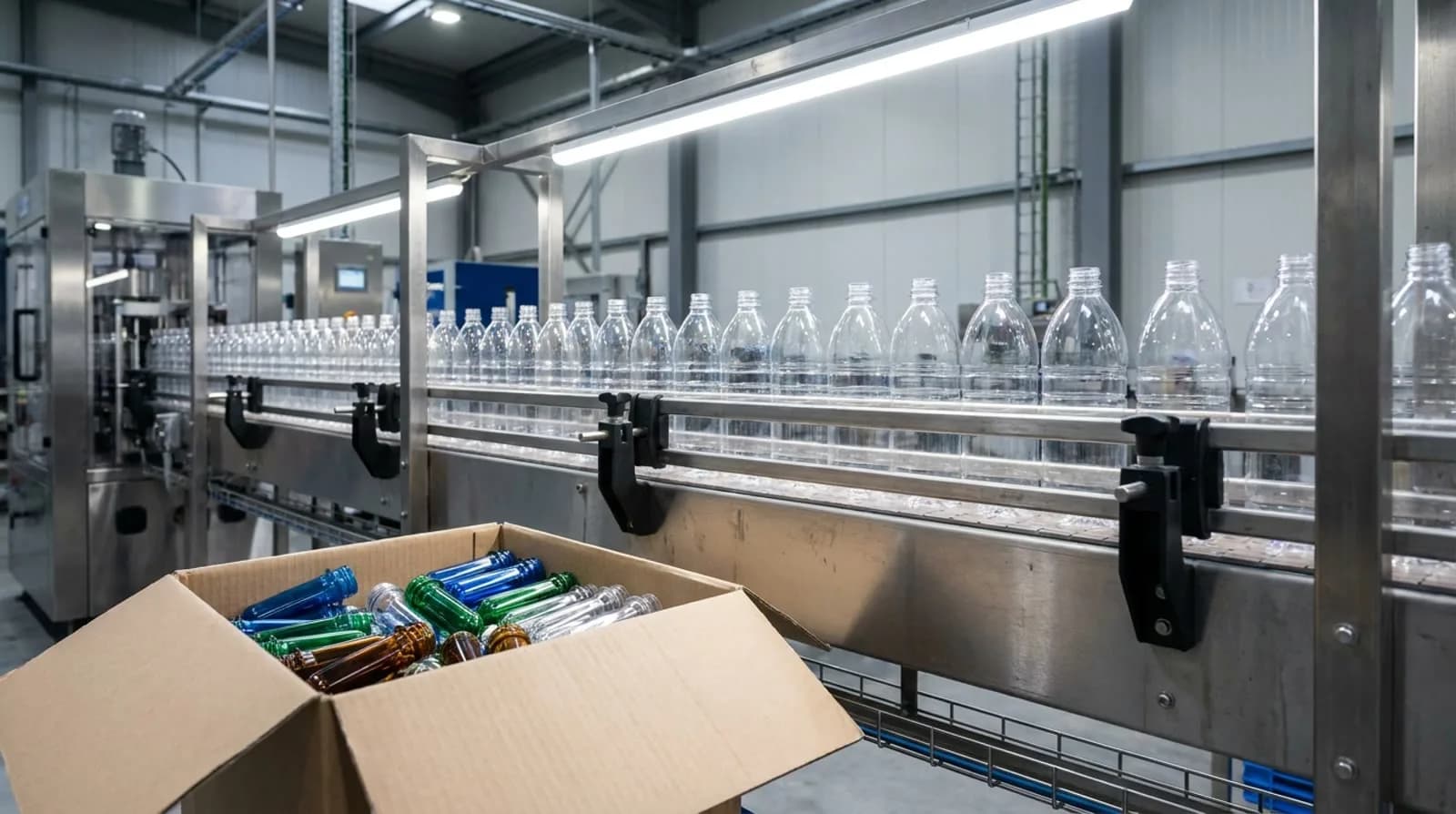
Turkish packaging manufacturers make PET bottles from 20 ml to 5 litres, PET preforms, HDPE bottles and jerrycans up to 25 or 30 litres, jars and tubs, caps, pumps and spray heads. Choose the material that suits your product, match the cap to the bottle neck, and decide early whether you buy finished bottles or preforms: finished bottles are mostly air and cost more to ship. Ask for a food-contact declaration if the bottle holds food or drinks.
Which bottle for which product?
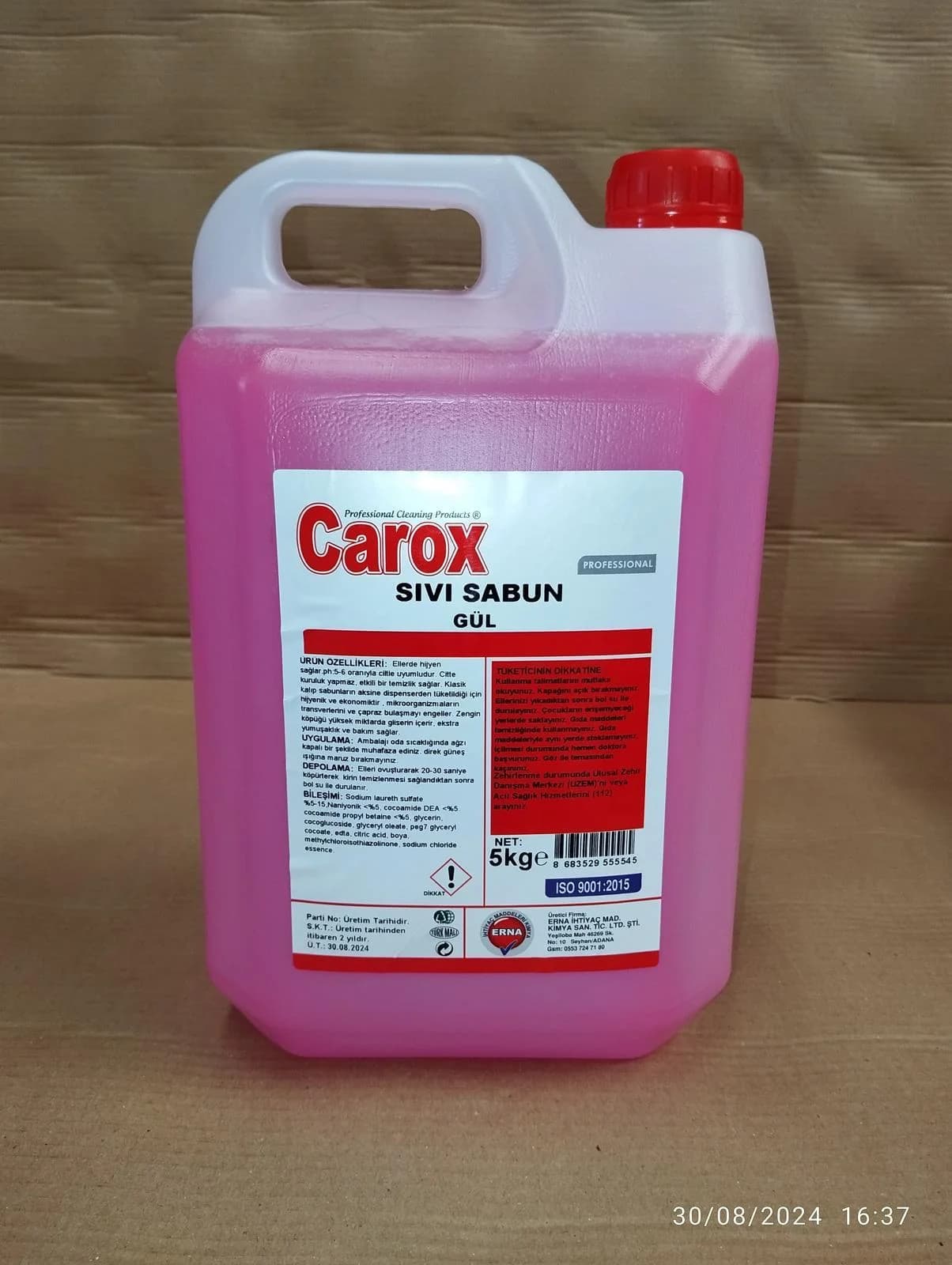
PET is clear and light: it suits water, juice, soft drinks, cooking oil, honey and many cosmetics. Standard PET softens with heat, so for sauces or juice filled hot ask for heat-resistant (heat-set) PET or a PP container. HDPE is opaque and resists chemicals: it is the usual choice for bleach, detergents, liquid soap concentrates, fertilisers and agrochemicals, and for jerrycans and drums. PP is used for jars, tubs and hot-filled products. Tell the supplier exactly what goes inside, the filling temperature and how long it stays on the shelf.
Finished bottles or preforms?
A container of empty bottles carries mostly air, so freight per bottle is high, especially for 1.5 and 5 litre sizes. Preforms, the small test-tube shapes that are blown into bottles, travel compactly and are the usual choice for water and juice plants with their own blow-moulding machine. If you fill less than a few thousand bottles a month, finished bottles are simpler; if volumes are large and steady, preforms plus a local blower can lower the cost per bottle. Caps, pumps and labels can ship in the same container.
Necks, caps and closures
The neck finish decides which cap fits. Water and soft drinks commonly use a 28 mm finish such as PCO 1881; juice, milk and wide-mouth bottles often use 38 mm or larger; cosmetics use 20 to 24 mm with pumps, flip-tops or spray heads. Give the supplier the neck standard and the preform weight in grams if you already have a line, or ask them to recommend one. Order caps from the same supplier or send them a cap sample, so the two match.
Standard models or your own mould
Every factory has standard shapes: round, square, oval, with handle, in clear or coloured plastic. Standard models need smaller minimum orders. A custom shape with your brand needs a new mould, which costs extra and takes time, so start with a standard bottle and a good label, and move to your own shape once the product sells. Turkish label printers can supply matching labels and shrink sleeves.
What drives the price
The price per piece depends on the resin and weight in grams, the size and shape, the colour, the neck and cap, the order quantity and the packing (bags, cartons or pallets). Resin prices move with oil, so ask how long a price is valid. To compare offers, send everyone the same specification and ask for the price per thousand pieces delivered to your port.
How to import bottles from Turkey, step by step
1) List the products you fill, sizes, material, neck and cap, and your monthly quantity. 2) Post a free request on Tafric with photos or drawings and your port. 3) Compare the manufacturers who contact you and ask for samples. 4) Test the samples with your product and filling line, including a drop and leak test. 5) Agree the quantity, packing and delivery terms in writing and ask for the food-contact declaration if needed. 6) Ship by consolidated cargo for a first order, or a full container when volumes grow.
Shipping, customs and country rules
Sea freight from Türkiye to West Africa takes roughly 2 to 4 weeks port to port, depending on the service and transhipment (direct services are at the short end); ask a forwarder for the current schedule. Bottles are light and bulky, so freight is charged by volume. Several African countries, including Kenya, Tanzania, Rwanda and Senegal, ban or restrict plastic carrier bags and some single-use plastic items; check the current rules before importing bags, cups or thin films. Bottles are generally allowed, but some countries apply levies or recycling obligations on PET, so ask your customs agent. Côte d'Ivoire and Senegal require a shipment tracking note (BSC), the DR Congo a FERI and Cameroon a BESC.
How Tafric works for buyers
Posting a request is free. Tafric checks it before it goes live, then Turkish packaging manufacturers see it and contact you directly. You compare, ask for samples and agree terms with the supplier you choose. Post your request or browse plastic packaging, plastic products and labels from Turkish suppliers.



Frequently asked questions
Can I buy plastic bottles from Turkey?
Yes. Turkish manufacturers sell PET bottles, preforms, HDPE bottles and jerrycans, jars, caps and pumps for food, drinks, cosmetics and household products.
PET or HDPE for liquid soap and bleach?
Bleach, detergents and chemicals usually go in HDPE, which resists chemicals. Ready-to-use liquid soap is commonly sold in PET for a clear look. Tell the supplier the exact product so they recommend the right material.
Should I import preforms or finished bottles?
Finished bottles are simpler for small volumes but carry a lot of air, so freight per bottle is high. Preforms ship compactly and suit producers with their own blow-moulding machine.
What is the minimum order for plastic bottles?
It depends on the factory and on whether the model is standard or custom. Standard bottles need smaller minimums; a custom mould needs larger volumes. Ask several manufacturers through one request.
Are Turkish plastic bottles food grade?
Bottles for food and drinks should be made from food-grade resin. Ask the manufacturer for a food-contact declaration of compliance and migration test reports with your order.
Should I buy plastic bottles for packaging in Nigeria locally or import them?
Local suppliers are faster for small quantities. Importing makes sense for shapes, sizes or caps you cannot find locally, or for large steady volumes; compare delivered prices including freight and duties.