



ON THIS PAGE
Tafric request data as of November 13, 2026
To import from Turkey to Uganda in 2026, make sure the Turkish supplier obtains a UNBS Certificate of Conformity (CoC) under the pre-export verification of conformity programme (PVoC) before shipping regulated goods, ship by container to Mombasa or Dar es Salaam and move the goods inland to Kampala, and clear them with a licensed customs agent through the Uganda Electronic Single Window. Duties follow the East African Community common external tariff (0, 10, 25 or 35 %), plus 18 % VAT, 6 % withholding tax, a 1.5 % infrastructure levy and a 1 % import declaration fee. A regulated consignment that arrives without a CoC pays a penalty of 15 % of its CIF value and is inspected on arrival.
Tafric is a B2B marketplace that connects Turkish manufacturers with African buyers: the buyer posts a request for free, Tafric checks it, and Turkish manufacturers in that category contact the buyer directly.
What do Ugandan buyers request from Turkish manufacturers?
Ugandan buyers request medical equipment, clothing, furniture, baby clothes, building materials and food products from Turkish manufacturers: from 23 August to 12 November 2026, 94 requests from Uganda were published on Tafric, 66 of them in the last 30 days.
| Sector | Share of requests (90 days) | What buyers ask for |
|---|---|---|
| Medical | 18 % | hospital and admission beds, anaesthesia machines, haematology analysers, ultrasound, theatre equipment, gloves |
| Clothing | 15 % | long dresses and abayas, ladies' office suits, men's suits, trousers and shirts, children's clothing |
| Furniture | 14 % | sofa sets, leather sofas, beds, sitting-room and home furniture |
| Baby products | 8 % | baby clothes, bodysuits and overalls |
| Building materials | 7 % | doors, tiles, toilets, plumbing and bathroom fittings |
| Food | 6 % | pasta, spices, sunflower oil, biscuits and flour |

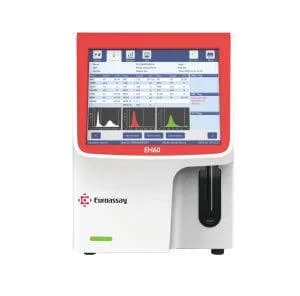



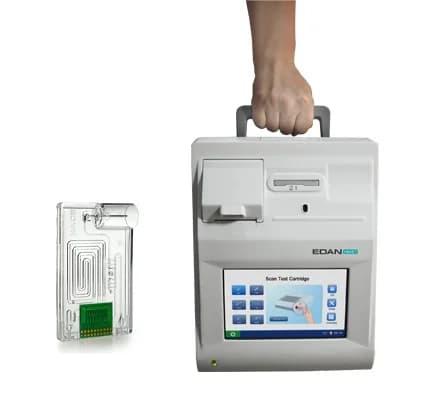
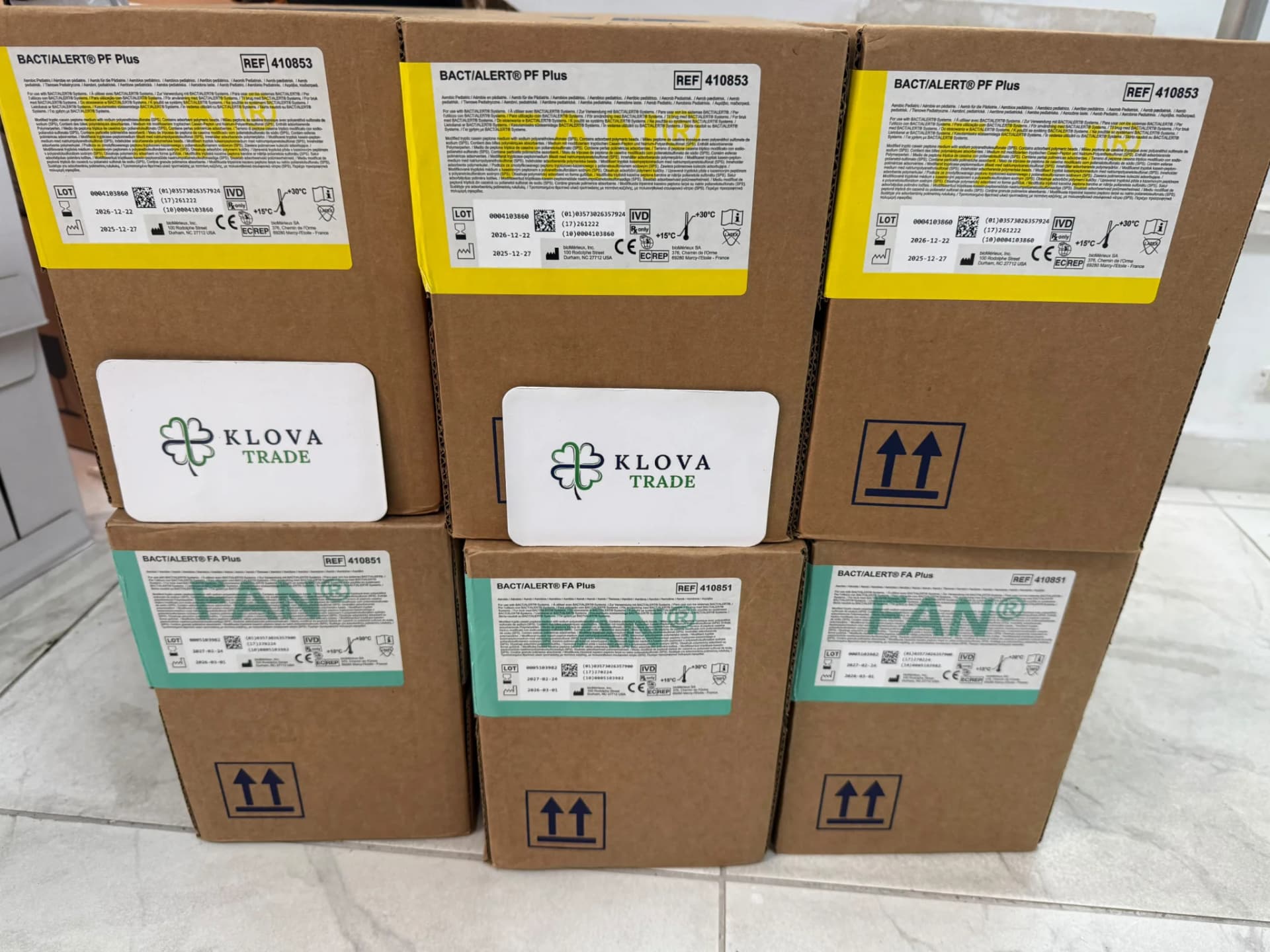
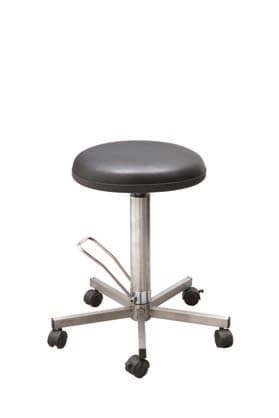
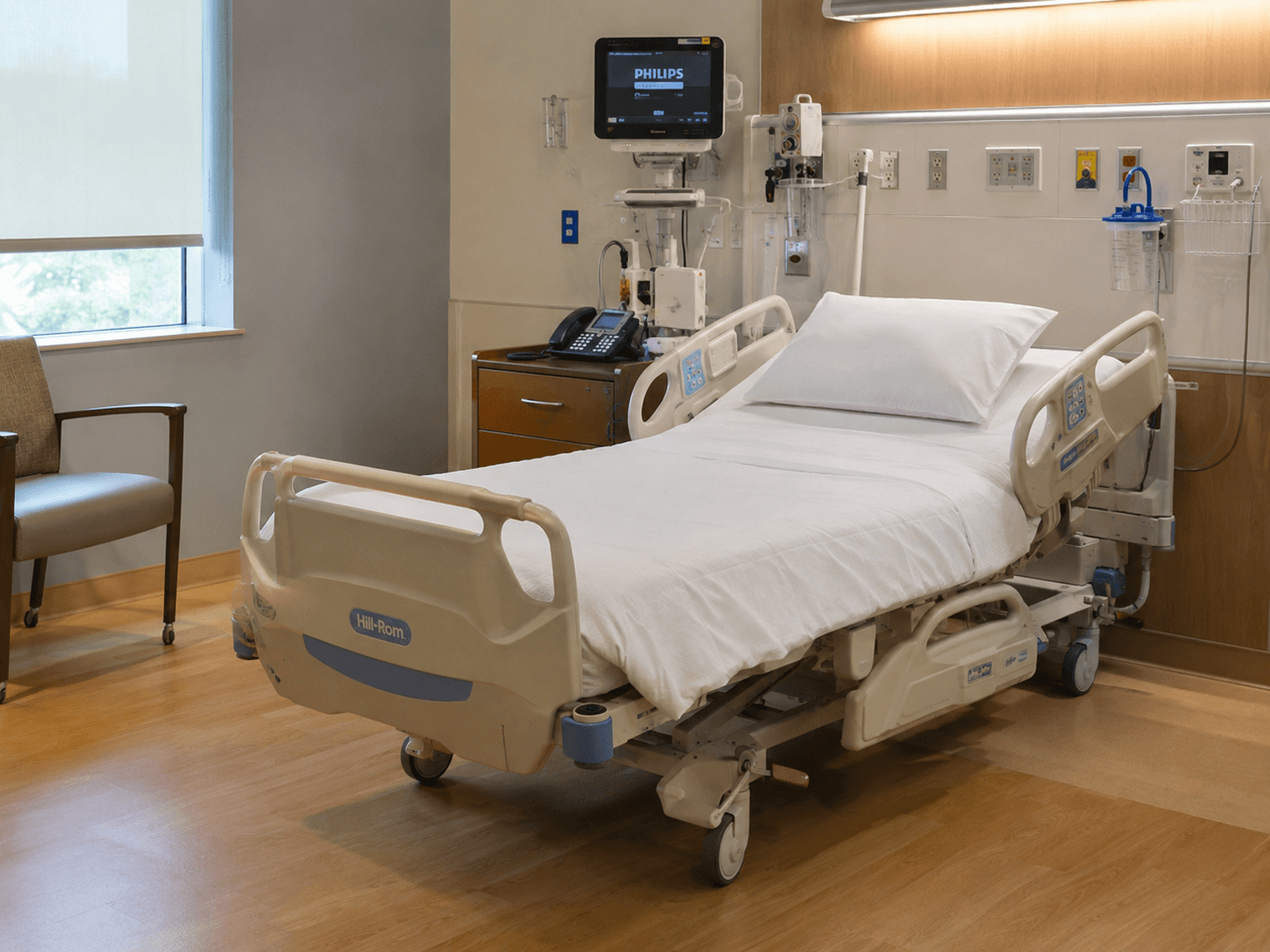
Browse medical equipment from Turkish manufacturers or post a request so it reaches the manufacturers in your sector.
Do I need a PVoC certificate to import into Uganda?
Yes, for regulated products: the Uganda National Bureau of Standards (UNBS) requires a Certificate of Conformity under its pre-export verification of conformity programme for goods covered by Uganda's compulsory standards, issued in the country of export before shipment by a UNBS-appointed inspection company (check the current list of PVoC service providers on the UNBS website). The importer applies through the Uganda Electronic Single Window and chooses an authorised provider; the supplier submits documents and test reports, the goods are inspected, and the CoC travels with the shipment. A regulated consignment that arrives without a CoC is subject to a penalty of 15 % of its CIF value and a destination inspection by UNBS, and goods that fail the standard can be re-exported or destroyed. Since 1 January 2026, 57 changes to Uganda's compulsory standards apply, so ask your provider which standard covers your product before the supplier produces it. Consignments with an FOB value of up to USD 2,000 are exempt from PVoC but are still inspected on arrival.
| Document | Who prepares it | Note |
|---|---|---|
| Proforma and commercial invoice | Turkish supplier | Same descriptions and values on every document |
| Packing list | Turkish supplier | Cartons, weights and item details |
| PVoC Certificate of Conformity | Supplier with a UNBS-appointed inspection company | Before shipment, for regulated products |
| Bill of lading | Shipping line | Consignee as on the invoice |
| Certificate of origin | Supplier, Turkish chamber of commerce | Shows Turkish origin |
| Product approvals | Importer | For medicines and medical devices, National Drug Authority (NDA) requirements |
| Customs declaration | Licensed customs agent | Through the Uganda Electronic Single Window |
What import duties and taxes apply in Uganda?
Imports into Uganda pay the East African Community common external tariff and Ugandan taxes collected by the Uganda Revenue Authority (URA): the tariff has bands of 0 % for raw materials, 10 % for intermediate goods, 25 % for finished goods and 35 % for sensitive goods such as many textiles, furniture and some building materials. On top of the duty, URA charges 18 % VAT, a 6 % withholding tax that registered businesses can credit against their income tax, a 1.5 % infrastructure levy and a 1 % import declaration fee. Under the 2026/27 tax amendments (from 1 July 2026), vaccines, medicines, medical supplies and some agricultural inputs such as pesticides are exempt from the infrastructure levy and the import declaration fee; confirm with your customs agent that the exemption covers your HS code. Rates and exemptions depend on the HS code: ask your customs agent for the exact figure before you compare suppliers.
Routes: Mombasa, Dar es Salaam and the road to Kampala
Uganda is landlocked, so goods from Türkiye travel by container to Mombasa in Kenya or Dar es Salaam in Tanzania and continue inland by road or rail. The Northern Corridor runs from Mombasa through the Malaba or Busia borders to Kampala; the Central Corridor runs from Dar es Salaam through Mutukula or by Lake Victoria. Under the East African single customs territory, Ugandan duties can be assessed and paid before the goods leave the port, which shortens border controls. Transit times depend on the shipping line, transhipment and inland transport: ask your freight forwarder for the current schedule and a door-to-door price.
| Corridor | Route | Watch out for |
|---|---|---|
| Northern | Mombasa → Malaba or Busia → Kampala | port dwell time, truck availability, axle-load limits |
| Central | Dar es Salaam → Mutukula → Kampala | longer road distance, compare total cost |
| Air | Entebbe | samples and urgent, light, high-value goods |
Ask suppliers for a CFR or CIF price to Mombasa or Dar es Salaam, then add inland transport, clearing and taxes to compare landed cost. Our guides to importing from Turkey to Kenya and to Tanzania cover the two ports.
Payment
With Turkish manufacturers, the usual terms are a deposit when you order and the balance before shipment or against documents; for large orders, a letter of credit protects both sides. Prices are usually given in US dollars or euros. Pay only into a bank account in the name of the supplying company, and get the price, delivery date, packing and payment terms in writing before you pay.
Importing from Turkey to Uganda, step by step
Importing from Turkey to Uganda takes six steps, from fixing the HS code to clearing the goods in Kampala.
1) Fix the product, specification, quantity and HS code with your customs agent. 2) Check whether the product needs a PVoC certificate and which standard applies. 3) Post a free request on Tafric or contact manufacturers in the sector, and compare at least two suppliers on the same specification. 4) Agree price, incoterm, payment and delivery time in writing, including who arranges the CoC. 5) Book freight to Mombasa or Dar es Salaam and inland transport. 6) Clear the goods through the Uganda Electronic Single Window and take delivery in Kampala.
How Tafric helps Ugandan buyers
Posting a request is free. Write the product, the quantity and your delivery city: Turkish manufacturers in the category see your request and contact you directly. Post your request.
Frequently asked questions
How do I import goods from Turkey to Uganda?
Agree the product, quantity and HS code, make sure the supplier obtains a UNBS PVoC certificate for regulated products before shipment, ship to Mombasa or Dar es Salaam and on to Kampala, and clear the goods with a licensed customs agent through the Uganda Electronic Single Window.
What is PVoC in Uganda?
PVoC is the UNBS pre-export verification of conformity programme: goods covered by Uganda's compulsory standards are inspected in the country of export and receive a Certificate of Conformity before shipment. A regulated consignment that arrives without one pays a penalty of 15 % of its CIF value and is inspected on arrival.
What taxes do I pay on imports into Uganda?
The East African Community common external tariff (0, 10, 25 or 35 % depending on the product), 18 % VAT, a 6 % withholding tax that registered businesses can credit, a 1.5 % infrastructure levy and a 1 % import declaration fee. Medicines and medical supplies are exempt from the levy and the declaration fee under the 2026/27 amendments; confirm for your HS code.
Which port is used for goods from Turkey to Uganda?
Most containers go through Mombasa in Kenya and travel to Kampala via Malaba or Busia; Dar es Salaam in Tanzania is the alternative route. Compare the door-to-door cost and transit time of both corridors with your forwarder.
Do medical devices need approval in Uganda?
Yes. Medicines and medical devices fall under the National Drug Authority (NDA). Check registration and import requirements with the NDA or your importer before ordering.
Is posting a request on Tafric free?
Yes. Posting a request is free for buyers; Turkish manufacturers in the category contact you directly.