



ON THIS PAGE
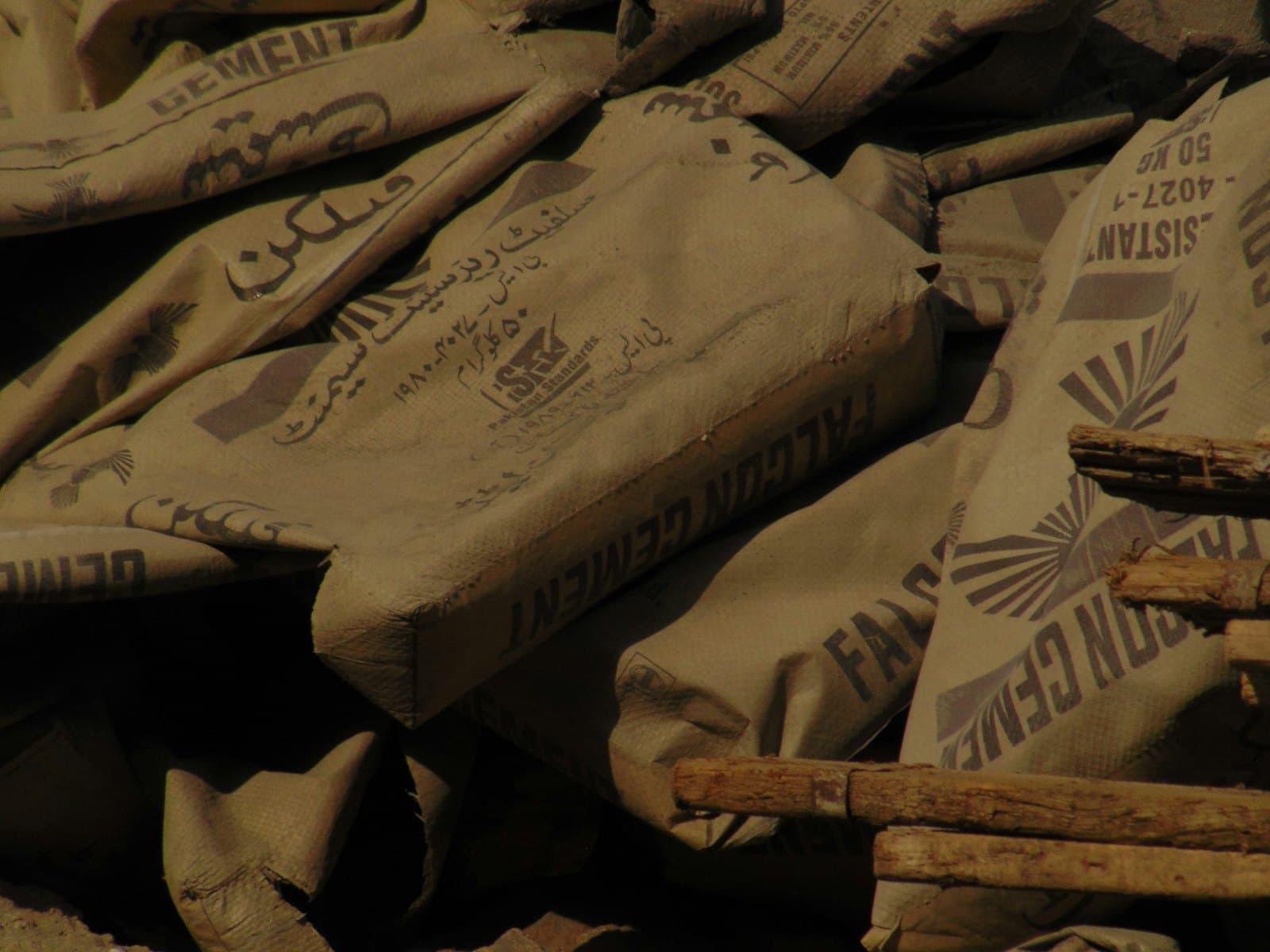
Few prices are watched as closely in Ghana as the price of a 50 kilogram bag of cement. It moves with the cedi, with diesel, with the cost of clinker landed at Tema and with the volume of finished cement coming in through the ports, and every move is argued over by builders, distributors, grinding plants and the regulator. In 2026 the argument has a new edge: a surge in imported cement and clinker has local producers warning about capacity utilisation while builders welcome the softer prices that imports bring. This analysis explains what is inside the bag price, where clinker and cement from Türkiye fit, and how a grinder or distributor can price imported clinker realistically.
What is inside the price of a bag of cement in Ghana
Ghana's cement industry is built mostly on grinding rather than on integrated kilns. Grinding plants import clinker, the hard nodules that come out of a cement kiln, and mill it with gypsum, limestone and other additives into finished cement. That means the single largest cost in the bag is imported clinker, priced in dollars, landed at Tema or Takoradi, cleared through customs and trucked to the mill. On top of clinker sit additives, electricity for grinding, bagging, distribution margin and taxes. When the cedi weakens or freight from the Mediterranean rises, the bag price follows within weeks because the clinker share is so large.
Fuel and power matter twice: once in the clinker price itself, because kilns burn a great deal of energy, and again in the electricity used to grind it locally. Distribution adds another layer; a bag that leaves Tema at one price is noticeably more expensive in Tamale or Wa after road haulage. This cost stack is why retail prices reported in Accra, Kumasi and the north differ, and why a single national price is rarely meaningful for a buyer negotiating in volume.
Ghana's cement demand and the import surge debate
Ghana's cement consumption has grown with housing, road and port construction and sits in the range of several million tonnes a year, with installed grinding capacity comfortably above demand on paper. That gap between capacity and consumption is the heart of the 2026 debate. Local grinders argue that finished cement arriving from abroad at low prices leaves their mills under-utilised and that quality control on imports is uneven; importers and builders reply that competition has kept the bag price in check during a period of currency pressure and that Ghana's standards authority tests imported cement like any other. The regulator has periodically reviewed import permits and denied reported price increases, which keeps the topic in the news.
For a supplier in Türkiye the practical reading is this: clinker demand is structural, because local mills need it regardless of the policy debate, while finished cement imports are the politically sensitive part and can face tighter permitting. A Turkish exporter that positions on clinker and on specialised cements the local market does not grind is less exposed to permit changes than one shipping ordinary bagged cement. The regional picture, including Nigeria and Côte d'Ivoire, is covered in the Türkiye-Africa building materials analysis.
Where Türkiye fits: clinker and cement from the Mediterranean
Türkiye is among the world's largest cement and clinker producers and has spare kiln capacity relative to its domestic demand, which makes it a natural bulk supplier to West Africa. Clinker from Turkish Mediterranean ports, particularly around Iskenderun and Mersin, reaches Tema in roughly two to three weeks, faster than Far East sources and with lower freight per tonne than Asian competitors on most sailings. Turkish clinker is typically supplied to European standard grades, and Turkish producers are used to the pre-shipment inspection and quality certification that Ghanaian buyers and the standards authority expect.
Bagged and bulk cement also move from Türkiye, mainly Portland and composite types, though volumes are more sensitive to Ghanaian permitting and to the freight cost of shipping a finished product rather than clinker. For a grinding plant the comparison is simple: clinker landed cost per tonne from Türkiye against the same from Spain, Egypt or Asia, adjusted for transit time and the reliability of the supplier's sailing schedule. The Turkish-language guide to cement and clinker exports to Africa gives the exporter's view of the same trade, and the French-language clinker for West Africa guide covers the francophone neighbours.
The bag price in Ghana is mostly a clinker price in disguise. Whoever lands clinker at Tema cheapest and most reliably sets the floor for everyone else.
Pricing clinker CFR Tema: freight, bulk versus bagged, and the calculator
Clinker moves in bulk vessels rather than containers, in parcels from a few thousand to tens of thousands of tonnes, and freight is quoted per tonne for the voyage. Bulk freight from the Turkish Mediterranean to Tema depends on vessel size, port congestion and the wider dry bulk market, and it moves in a wide range; a dated quote from a chartering broker is the only reliable figure. Bagged cement, by contrast, travels in containers or as break-bulk, which suits smaller distributors but costs more per tonne shipped. The calculator below is written for a containerised or break-bulk parcel where freight is quoted per container or per lot; for a bulk vessel, enter the per-tonne freight as the freight figure and set the quantity per container to one.
Example values only. Enter the bulk freight per tonne as the freight figure with quantity per container set to 1; for containerised cement enter freight per container and the tonnes loaded. Get a dated freight quote before pricing.
Once you have CFR Tema per tonne, the landed cost adds duty, levies and VAT on the CIF value, then port handling, clearing and trucking. Clinker as an input to manufacturing may qualify for a lower duty band than finished cement, which is one more reason grinders prefer to import clinker rather than bags. The mechanics of the Ghanaian assessment, band by band and levy by levy, are in the Ghana import duty calculator guide.
Quality, standards and what Ghanaian buyers ask for
Ghanaian grinders and distributors work to the national and regional cement standards and expect suppliers to provide mill test certificates showing chemical composition and strength class, along with a pre-shipment inspection report from an independent surveyor. For clinker, buyers look at lime saturation factor, free lime and the alkali content because these determine how the clinker grinds and how the finished cement performs. For bagged cement, strength class, setting time and bag weight consistency are the usual checks, and the standards authority can sample at the port.
Turkish producers are generally familiar with these requirements because they supply Europe under similar regimes, but the documents still need to be organised before loading: the surveyor's sampling at the port of loading, the certificate of origin, the analysis certificate and the conformity paperwork the Ghanaian side requests. A shipment that arrives with an incomplete file sits at Tema and pays storage, which quickly erodes the price advantage. The document set and inspection schemes for the region are described in the pre-shipment inspection guide.
What builders, distributors and grinders can do with this
A builder buying by the truckload gains little from the international picture except timing: when the cedi weakens or freight spikes, the bag price follows within a month, so large project purchases are better made before those moves work through. A distributor can compare local ex-factory prices with the landed cost of imported bags and see whether the margin justifies the permitting effort and the working capital tied up in a shipment. A grinding plant lives on the clinker landed cost and gains most from a reliable Turkish supplier with a fixed sailing rhythm and consistent chemistry.
Turkish suppliers, for their part, win in Ghana on reliability more than on the last dollar of price: consistent quality, complete documents and a sailing that arrives when promised are worth more to a mill than a marginally lower FOB. Buyers can post their clinker or cement requirement, target port and volume as a request on Tafric and receive CFR quotes from verified Turkish producers; the guide to finding and verifying Turkish manufacturers explains what to check before committing.


The bag price will keep moving, and the import surge debate will keep going, because both are downstream of the same three variables: the cedi, the cost of energy and the landed cost of clinker at Tema. Understanding that stack, and pricing clinker properly from FOB to CFR to landed, is the difference between reacting to the headline and planning around it.
Frequently asked questions
Why does the price of cement in Ghana keep increasing?
Most of Ghana's cement is ground locally from imported clinker priced in dollars, so the bag price tracks the cedi exchange rate, freight from the Mediterranean and energy costs for kilns and grinding. Distribution costs add regional differences, and periods of tighter import permitting reduce competition. Imports have tended to soften prices when they increase.
Does Ghana import cement or clinker?
Both, but clinker is the larger and more structural flow because Ghana's industry is built on grinding plants that need clinker regardless of policy. Finished cement imports are the politically sensitive part and are more exposed to permit reviews and the import surge debate.
Is Türkiye a major cement supplier to Ghana?
Türkiye is one of the world's largest cement and clinker producers with spare kiln capacity, and Turkish Mediterranean ports reach Tema in roughly two to three weeks. It is a significant source of clinker and, to a lesser extent, bagged cement for West Africa, competing mainly with Spain, Egypt and Asian suppliers.
How is clinker priced for Ghana?
Clinker is usually sold FOB or CFR Tema per tonne in bulk vessels. CFR is the FOB price plus bulk freight per tonne plus loading port charges; the landed cost then adds Ghanaian duty, levies, VAT, port handling and trucking. Freight moves with the dry bulk market, so a dated quote is essential.
What quality documents should a cement or clinker supplier provide?
A mill test or analysis certificate showing chemical composition and strength class, a pre-shipment inspection report from an independent surveyor, a certificate of origin and any conformity documentation the Ghanaian standards authority requires. For clinker, buyers focus on lime saturation factor, free lime and alkali content.