
KLOVA TRADEİstanbul, Türkiye
Est. 2023 · 7 productsView profile
 TAFRICTÜRKİYE–AFRICA B2B
Source consumables, surgical instruments, hospital furniture, diagnostic devices, orthopedics and dental supplies from CE-marked, ISO 13485-certified Turkish manufacturers — for hospitals, clinics, NGOs and distributors across Africa.
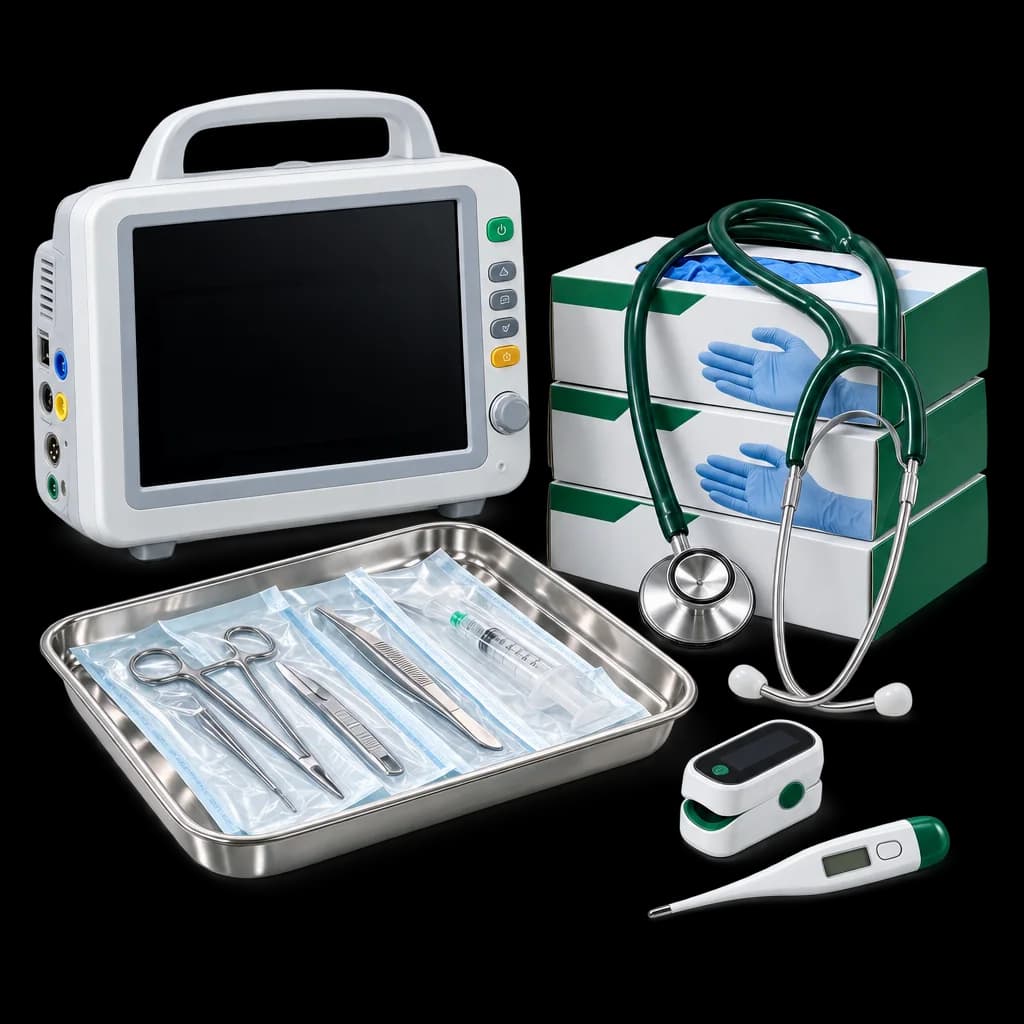
Listed by reviewed manufacturers and exporters in this sector — open a product to request a quote.
Reviewed Turkish manufacturers and exporters — firms with a catalog first.
Open medical and healthcare products requests by destination — see suppliers serving each market.
From request to negotiated quote without leaving Tafric.
Product, quantity, destination. Two minutes; the account comes last.
Firms in your sub-category reply with price, MOQ and lead time.
Message, request samples and agree terms with a full record of the deal.
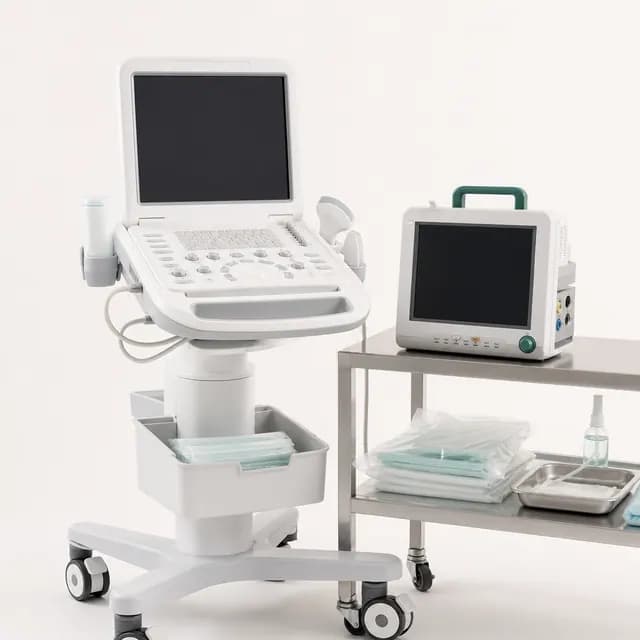
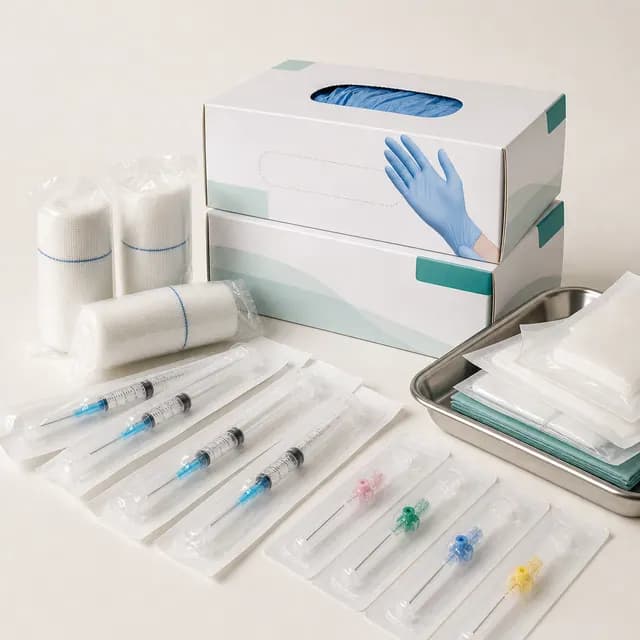
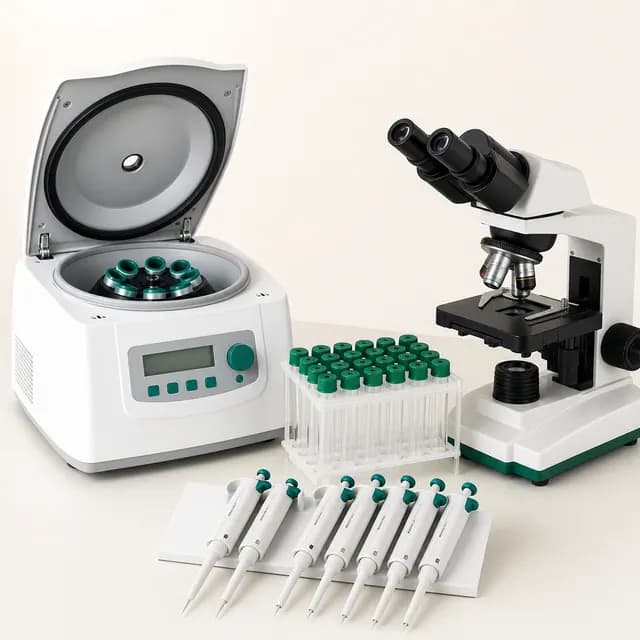
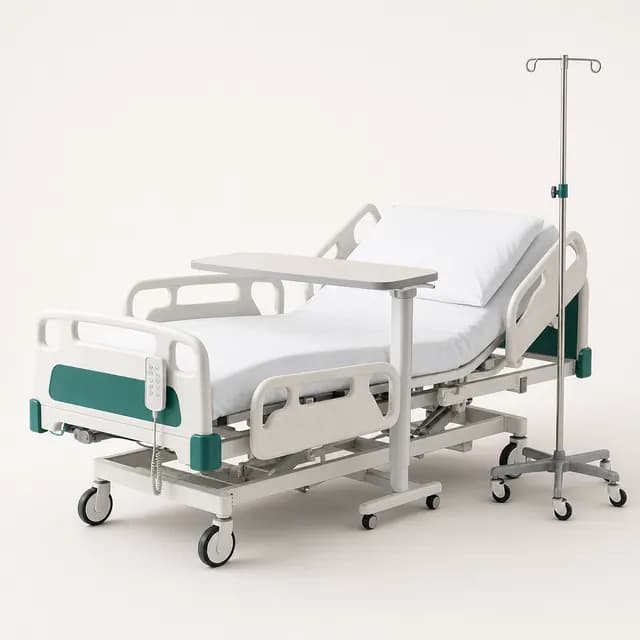
Türkiye exports more than $2 billion of medical products a year and is the nearest CE-regulated manufacturing base to Africa: syringes, gloves and dressings from Istanbul and İzmir, surgical instruments from Samsun, hospital beds and sterilisers from Ankara, orthopedic implants and dental supplies from Istanbul — all sold under EU MDR rules.
Three practical reasons. Regulation you can verify: Turkish manufacturers sell into the EU under the Medical Device Regulation, so CE certificates from a notified body, ISO 13485 quality systems and a registration in the Turkish ÜTS device database are the norm, and each one can be checked online before you pay. Breadth for tenders: one supplier group can cover a full hospital fit-out — beds, stretchers, trolleys, sterilisation, oxygen systems, examination lamps — while consumables factories run the same lines that supply European hospitals. Proximity: Mersin, Ambarlı and İzmir sail to West Africa in 14–21 days and to East Africa in 18–25, and Istanbul airport has daily cargo flights to Lagos, Nairobi, Addis and Casablanca for urgent or temperature-sensitive lots.
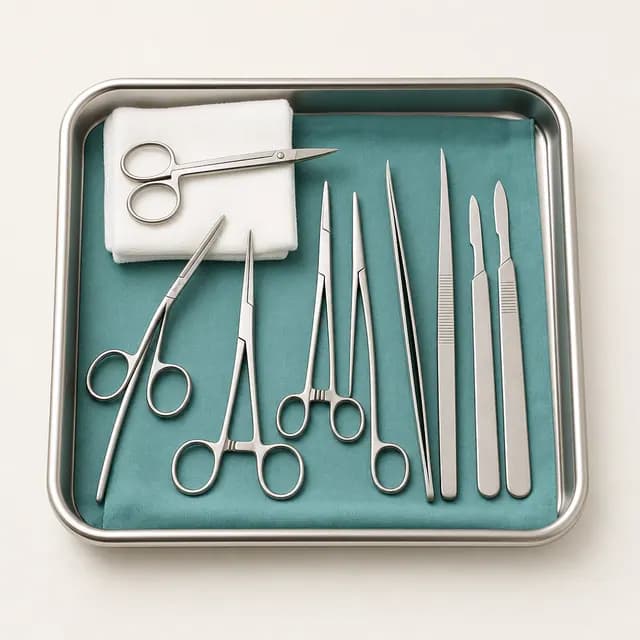
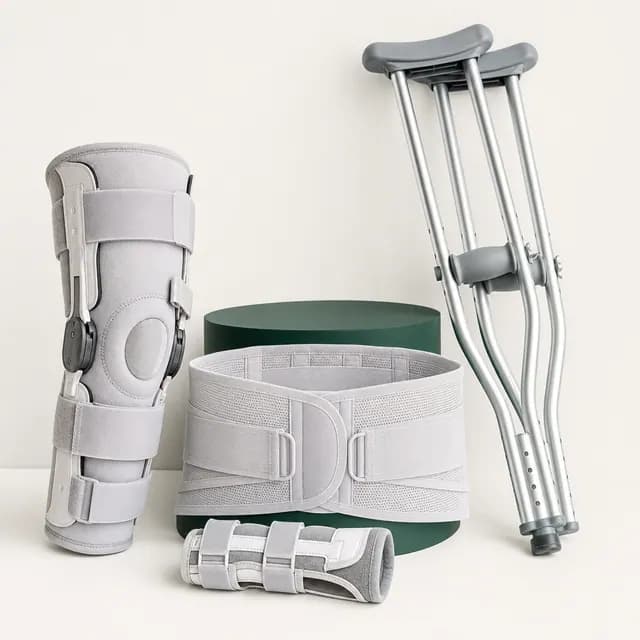
Istanbul and İzmir concentrate disposables (syringes, cannulas, gloves, masks, gauze) and medical textiles; Samsun is the surgical-instrument cluster; Ankara (OSTİM, İvedik) makes hospital furniture, sterilisers, medical gas systems and dental units; Konya and Kayseri produce orthopedic implants and mobility aids; pharmaceutical plants sit around Istanbul, Tekirdağ and Kocaeli.
Minimums follow carton and pallet sizes for consumables and unit counts for equipment. Expect roughly:
Indicative FOB Türkiye figures, mid-2026, for CE-marked products under the supplier's own brand — not live quotes. Private label on consumables typically requires a full container per reference; tender-size orders (multiple containers) usually bring 8–15% below these ranges.
Consumables and stock instruments ship in 7–15 days; hospital furniture, sterilisers and configured devices take 30–60 days; private-label runs add sample and artwork approval. Sea freight from Mersin or Istanbul: 14–21 days to Lagos, Tema, Abidjan and Dakar, 18–25 days to Mombasa and Dar es Salaam, 10–14 days to Casablanca and Alexandria. Consumables are volume goods — a 40-foot high-cube carries roughly 1,500 cartons of gloves or 1.2 million syringes — so most orders are quoted per container. Air freight makes sense for reagents, cold-chain pharmaceuticals and orders under 300 kg.
Ask for FOB and CIF side by side: Turkish exporters ship medical lots regularly and often hold better sea rates to Lagos, Mombasa and Dakar than a first-time buyer's forwarder. Temperature-sensitive products (insulin, vaccines, some reagents) travel in validated cold-chain packaging with a data logger; confirm this on the pro forma.
CE marking under EU MDR 2017/745 (or IVDR for diagnostics) is the baseline: for Class I products the manufacturer self-declares, for Class IIa and above a notified body certificate is required — ask for the certificate PDF with the notified body number and check it on the body's public list. ISO 13485 certifies the quality system of the factory. The Turkish Free Sales Certificate from the Ministry of Health (TİTCK) and the ÜTS registration number prove the product is legally on the Turkish market; both are routinely requested by African regulators. For pharmaceuticals, ask for GMP certification and the Certificate of Pharmaceutical Product (CPP).
Registration on your side is the long pole. Nigeria's NAFDAC, Kenya's PPB, Ghana's FDA, South Africa's SAHPRA and Ethiopia's EFDA each require product registration by a local licence holder before import; timelines run from a few weeks for Class I consumables to 6–12 months for devices and medicines. Start the file while you negotiate, and ask the supplier whether it already has a registered distributor in your country — many do.
About sourcing medical and healthcare products from Turkish suppliers through Tafric.