



ON THIS PAGE
Tafric request data as of November 14, 2026
To import from Turkey to Zambia you need a registered business with a TPIN, a licensed customs clearing agent who lodges the declaration with the Zambia Revenue Authority (ZRA), and, if your product is under a compulsory standard, clearance from the Zambia Compulsory Standards Agency (ZCSA) at the border. Most finished goods from Türkiye pay 25% customs duty (wooden furniture pays 40%) and 16% VAT, since Zambia's COMESA and SADC preferences do not apply to Turkish origin. Zambia is landlocked: containers from Türkiye normally arrive by sea at Dar es Salaam or Beira and continue by road, so the inland leg is a large part of the planning.
Tafric is a B2B marketplace that connects Turkish manufacturers with African buyers: the buyer posts a request for free, Tafric checks it, and Turkish manufacturers in that category contact the buyer directly.
What do Zambian buyers request from Turkish manufacturers?
Zambian buyers on Tafric ask Turkish manufacturers most often for clothing and home furniture, followed by vehicle parts and medical equipment. Between 8 September and 14 November 2026, buyers in Zambia published 65 requests on Tafric, almost half of them in the last 30 days: clothing and fashion accounted for 26%, furniture 18%, automotive parts 15%, medical and healthcare products 9% and shoes and leather goods 7%.
| Category | Share of requests | What buyers ask for |
|---|---|---|
| Clothing and fashion | 26% | men's suits, office wear for men and women, jeans, cotton shirts |
| Furniture | 18% | sofa sets, dining sets, bedroom furniture, office furniture |
| Automotive parts | 15% | service parts such as brake pads and clutch kits, auto-electrical parts, tyres |
| Medical and healthcare | 9% | clinic and dental equipment |
| Shoes and leather goods | 7% | men's and women's shoes |
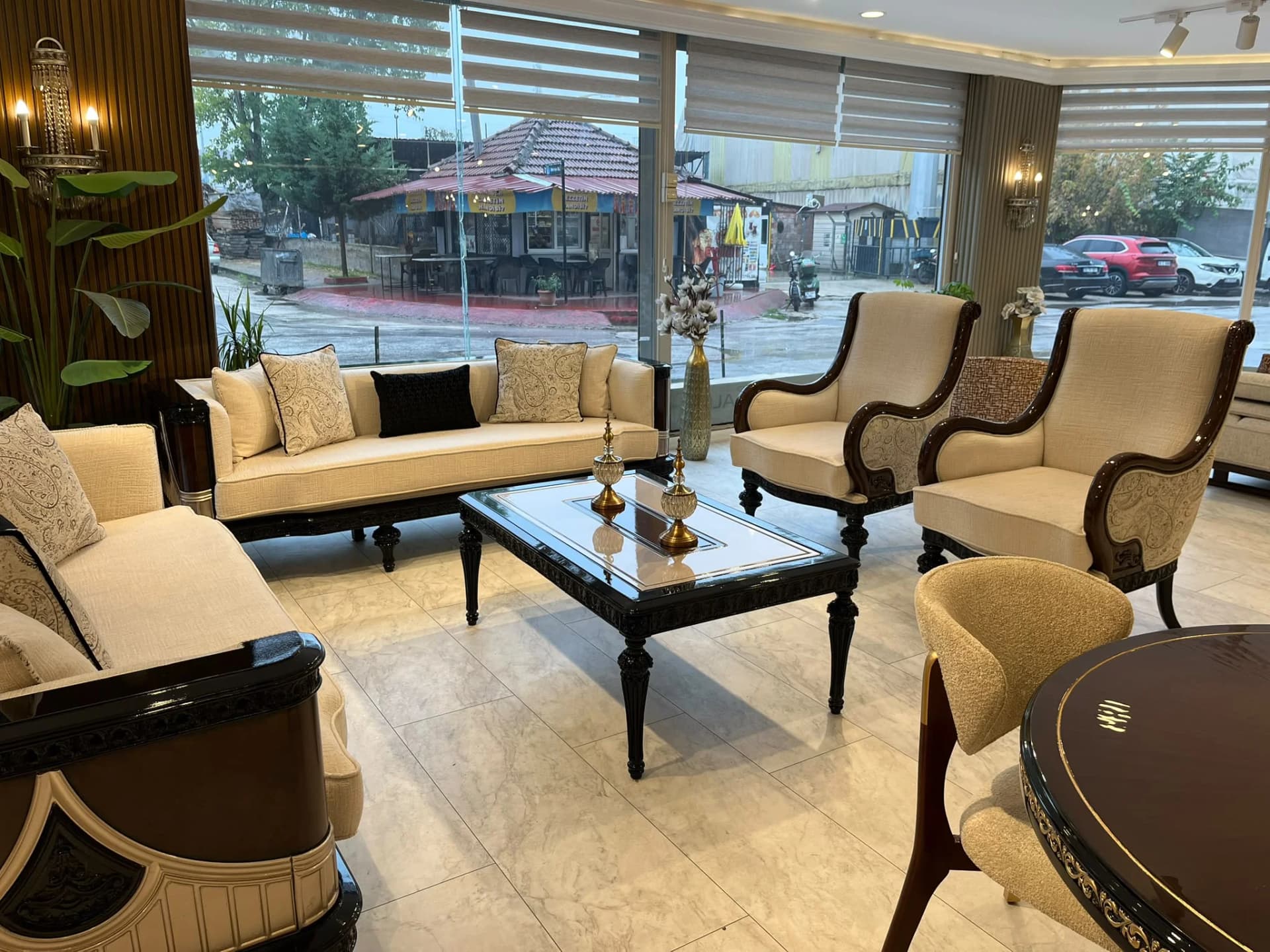
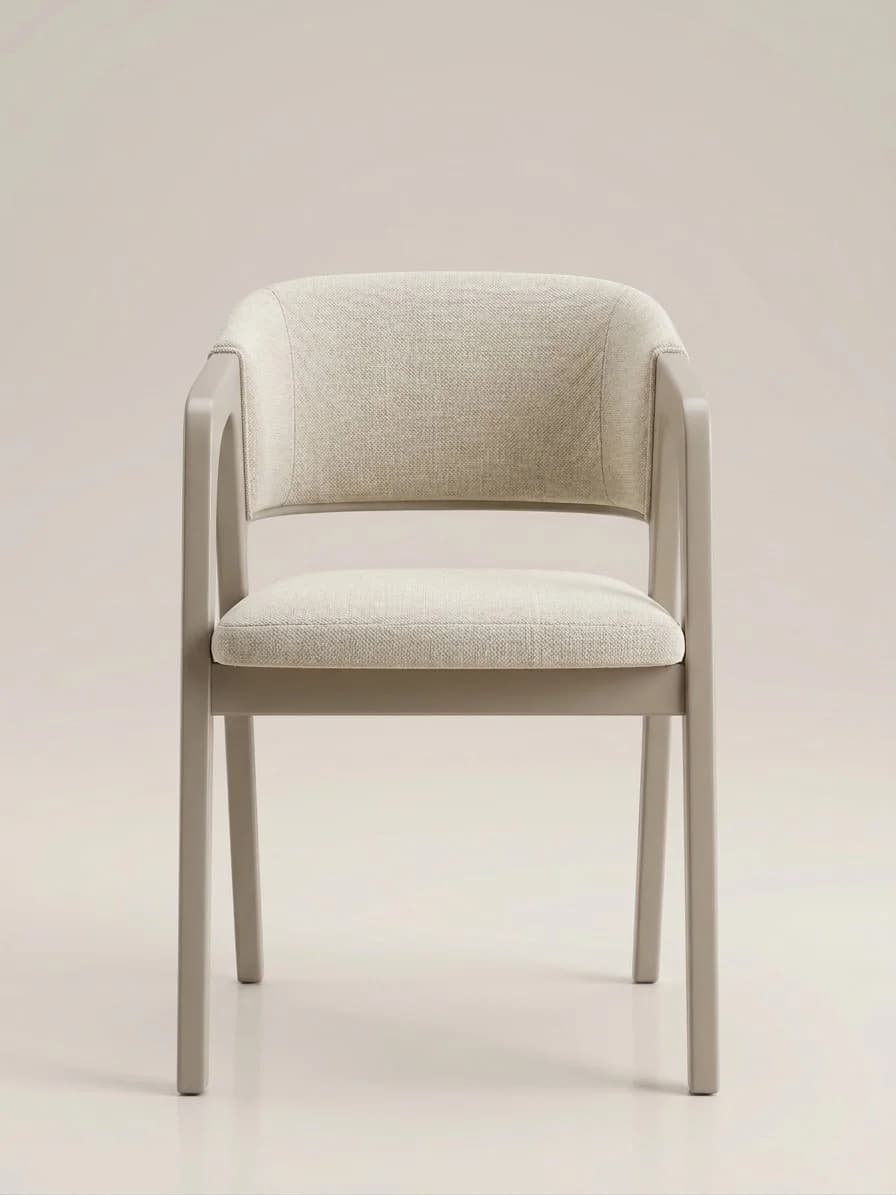






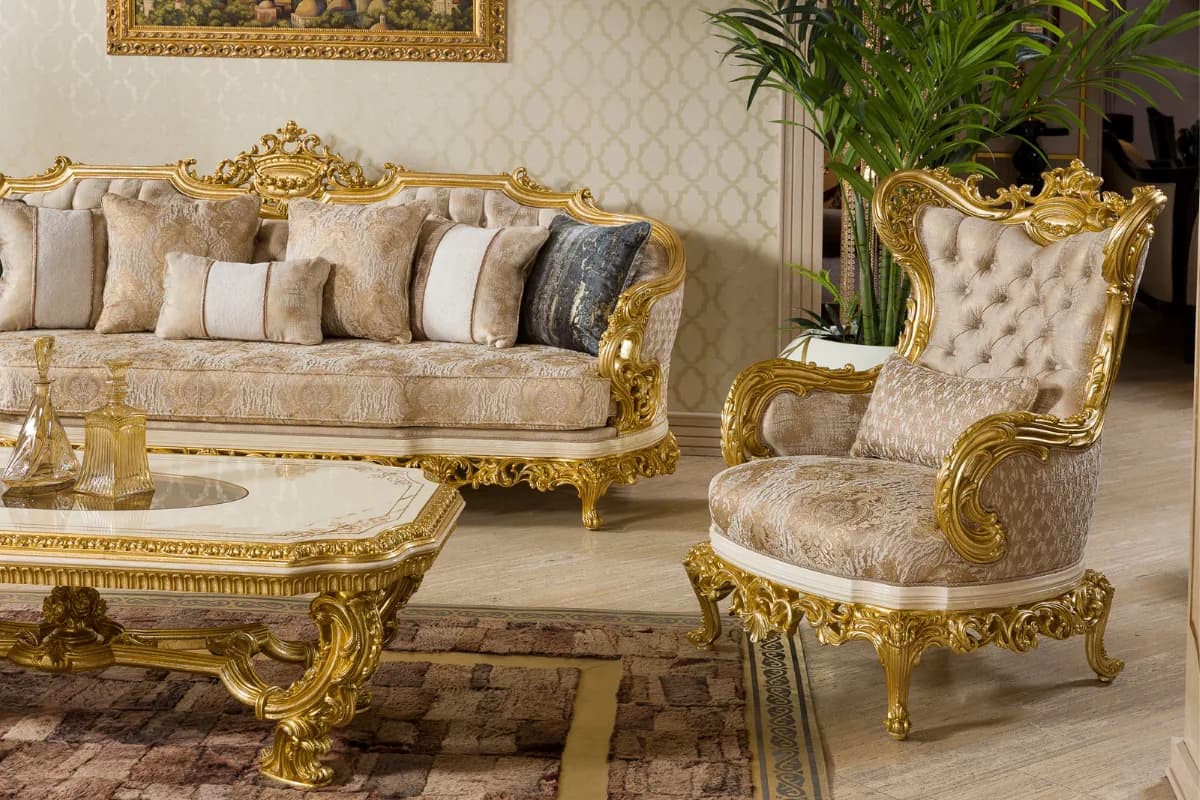


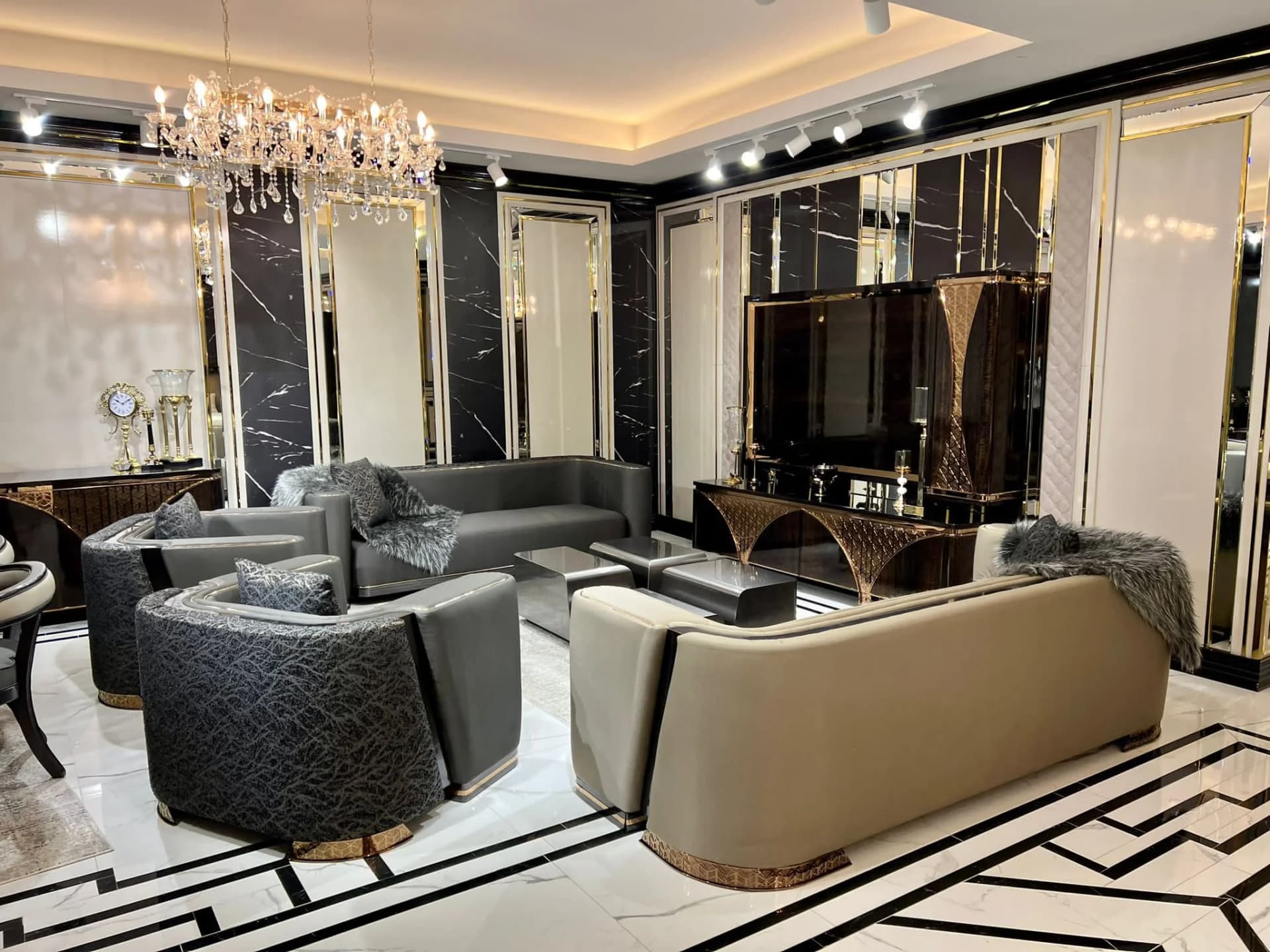
Browse furniture from Turkish manufacturers or post a request so it reaches the manufacturers in your sector. Requests for vehicle parts get the best response when they are for trade quantities, with part numbers and vehicle models listed.
What does Zambia already buy from Türkiye?
Türkiye exported goods worth about US$33 million to Zambia in 2024, according to the Turkish Ministry of Trade, led by grain-milling machinery, steel structures, drilling equipment, plastic bottles and generators. Consumer goods such as clothing and furniture are still a small part of that trade, which is why Zambian retailers sourcing them directly from Turkish factories are early movers. Turkish manufacturers usually accept smaller first orders than large Asian factories and can combine several products from one industrial region in a single container.
What do I need to clear goods with ZRA?
Commercial imports into Zambia are declared to ZRA in the ASYCUDA World system by a licensed customs clearing agent, on behalf of an importer who holds a Taxpayer Identification Number (TPIN). The declaration must be lodged before the goods reach the border: since May 2024 ZRA has required pre-clearance of commercial goods, at least five days before arrival. Zambia has no general import licence; permits apply to specific goods.
| Document or requirement | Who provides it | Note |
|---|---|---|
| TPIN and business registration | Importer | Needed before the first declaration |
| Commercial invoice and packing list | Turkish supplier | Description, quantity and value must match across all documents |
| Bill of lading and transit documents | Shipping line and forwarder | Shows Zambia as final destination for goods in transit through the port |
| Certificate of origin | Supplier, issued by a Turkish chamber of commerce | Proves Turkish origin; no duty preference applies |
| ZCSA clearance | Importer, with test results from the supplier | For products under compulsory standards |
| Import permit | Importer | For medicines and allied substances (ZAMRA), and for food, plant and animal products (sanitary and phytosanitary permits) |
Do my products need ZCSA approval?
Products covered by a compulsory standard must be cleared by the Zambia Compulsory Standards Agency (ZCSA), which inspects imports at the border under its Import Quality Monitoring Scheme; the Zambia Bureau of Standards (ZABS) writes the standards. The compulsory list grew to about 100 products when 41 new standards were enforced from 1 October 2025. It includes edible oils, wheat flour, sugar, cement, reinforcing steel, galvanised sheets, electric cables, plugs, batteries, tyres, paints, soaps and detergents, fertilisers, solar photovoltaic items and lubricants. New clothing and furniture are not on the list.
For a product on the list, ZCSA asks for the importer's details, the product and brand, quantity, value, country of origin, the invoice and test results from an accredited laboratory. Ask your Turkish supplier for the test report against the relevant standard before you pay, and ask your clearing agent whether any pre-export verification applies to your shipment, because the arrangements have been under review. ZCSA has offices at the main border posts, including Nakonde, Chirundu, Kazungula and Katima Mulilo.
What customs duty and VAT apply in Zambia?
Zambia charges customs duty on the CIF value in bands of 0–5% for capital goods and raw materials, 15% for intermediate goods and 25% for finished goods, with a higher 40% rate on some protected lines such as wooden furniture, and then VAT of 16% on the CIF value plus duty. Goods of Turkish origin pay these full rates, because COMESA and SADC preferences require origin in a member state.
| Product | Typical customs duty |
|---|---|
| Machinery, generators, raw materials | 0–5% |
| Fabrics and yarn | 15% |
| Vehicle parts such as brakes and auto-electrical parts | 15% |
| Clothing, metal or plastic furniture, mattresses | 25% |
| Wooden furniture and sofas with wooden frames | 40%, plus a 10% surtax on most lines |
| Cosmetics and perfumes | 25%, plus 20% excise duty |
| Footwear and handbags | 25%, plus a surtax of 5–10% |
Tax rates are set in the annual budget. The 2027 Budget presented on 6 November 2026 proposes raising VAT to 16.5% from 1 January 2027 and higher rates on products such as ceramic tiles and aluminium profiles; confirm the enacted rates with your clearing agent before you price an order. Because excise duty and surtax are added on top of customs duty for products such as cosmetics, footwear and most furniture, always ask for the full tax calculation on your tariff heading.
Which routes are used from Türkiye to Zambia?
Cargo from Türkiye usually reaches Zambia through the port of Dar es Salaam in Tanzania or Beira in Mozambique and continues by road; the sea leg takes about three to four weeks, and longer when ships are diverted. Walvis Bay in Namibia is an alternative, and Durban is used less because of the longer and costlier inland leg.
| Port | Entry into Zambia | Note |
|---|---|---|
| Dar es Salaam (Tanzania) | Nakonde | The usual route for containers; TAZARA rail is being rehabilitated |
| Beira (Mozambique) | Chirundu, via Zimbabwe | Shorter road distance to Lusaka |
| Walvis Bay (Namibia) | Katima Mulilo | Alternative Atlantic route |
| Durban (South Africa) | Chirundu or Kazungula | Longer inland leg; congested in late 2026 |
Ask suppliers for a CFR price to the port and ask your forwarder for a written price for transit to your city, including port charges, the transit bond and border fees, so that you can compare landed cost. Our guides to importing from Turkey to Tanzania and to Zimbabwe describe the ports and corridors on the way.
Payment
Zambian importers pay Turkish suppliers in US dollars or euros through their commercial bank; the kwacha floats, so the exchange rate on the day of payment affects your cost. Turkish manufacturers commonly ask for a deposit with the order and the balance before shipment or against copy documents, and a letter of credit suits larger orders. Ask your bank which documents it needs for an import payment, and pay only into a bank account in the supplier company's name.
Importing from Turkey to Zambia, step by step
A first order from Türkiye to Zambia follows six steps, starting with the tax and standards checks.
1) Ask a licensed clearing agent for the tariff heading, the duty and VAT, and whether a compulsory standard or permit applies. 2) Compare several Turkish manufacturers on the same specification and ask for test reports where a standard applies. 3) Agree price, Incoterm, packing and lead time in writing. 4) Choose the port and corridor with a freight forwarder and get the transit price in writing. 5) Pay through your bank and check that invoice, packing list, bill of lading and certificate of origin match. 6) Have your agent lodge the declaration at least five days before arrival, pay duty and VAT, and collect the goods.
How Tafric helps Zambian buyers
Posting a request is free. Write the product, the quantity and your delivery city: Turkish manufacturers in the category see your request and contact you directly. Post your request.
Frequently asked questions
How much is import duty in Zambia on goods from Turkey?
Customs duty is charged on the CIF value: 0–5% on capital goods and raw materials, 15% on intermediate goods and 25% on most finished goods such as clothing; wooden furniture and sofas pay 40% plus a 10% surtax. VAT of 16% is then charged on the CIF value plus duty. Turkish goods get no COMESA or SADC preference.
How do I ship goods from Turkey to Zambia?
Containers travel by sea to Dar es Salaam or Beira, which takes about three to four weeks, and continue by road to Zambia through Nakonde or Chirundu. Walvis Bay is an alternative. A freight forwarder arranges the transit bond and the inland transport.
Do I need ZCSA approval to import into Zambia?
Only for products under a compulsory standard, such as edible oils, flour, cement, steel, cables, batteries, tyres, paints, detergents and solar items. ZCSA checks these at the border and asks for test results from an accredited laboratory. New clothing and furniture are not on the list.
Do I need an import licence in Zambia?
Zambia has no general import licence. Permits apply to specific goods: medicines and allied substances need a ZAMRA import permit, and food, plant and animal products need sanitary or phytosanitary permits.
What documents do I need to import from Turkey to Zambia?
A TPIN, commercial invoice, packing list, bill of lading with transit documents and a certificate of origin, plus ZCSA clearance or an import permit where the product requires one. A licensed clearing agent lodges the declaration in ASYCUDA World.
How do I find Turkish suppliers for Zambia?
Post a free request on Tafric with the product, quantity and delivery city. Turkish manufacturers in that category see the request and contact you directly, and you can compare them on the same specification.