


ON THIS PAGE
Tafric request data as of November 14, 2026
To import from Turkey to South Africa you need a SARS importer code, the right tariff heading for your product and, for some goods, an approval before the goods ship: an ITAC import permit for used and other controlled goods, or an NRCS Letter of Authority for products under a compulsory specification such as electrical appliances and vehicle parts. There is no free trade agreement between South Africa and Türkiye, so Turkish goods pay the general rate of duty (45% on most clothing, 20% on furniture) plus 15% import VAT. Most containers arrive at Durban, and payment abroad goes through your bank as an Authorised Dealer under South African exchange-control rules.
Tafric is a B2B marketplace that connects Turkish manufacturers with African buyers: the buyer posts a request for free, Tafric checks it, and Turkish manufacturers in that category contact the buyer directly.
What do South African buyers request from Turkish manufacturers?
South African buyers on Tafric ask Turkish manufacturers most often for clothing, followed by food, medical products and cosmetics. Between 16 August and 10 November 2026, buyers in South Africa published 87 requests on Tafric: clothing and fashion accounted for 29%, food products 13%, medical and healthcare products 11%, cosmetics 11%, construction materials 6% and furniture 5%.
| Category | Share of requests | What buyers ask for |
|---|---|---|
| Clothing and fashion | 29% | dresses, modest wear, men's suits and shirts, jeans |
| Food products | 13% | sunflower oil, biscuits, chocolate and confectionery |
| Medical and healthcare | 11% | hospital equipment such as beds and autoclaves, medical consumables |
| Cosmetics and cleaning | 11% | make-up and skincare, washing powder and household cleaning products |
| Construction materials | 6% | building and roofing materials |
| Furniture | 5% | dining-room suites, home furniture |
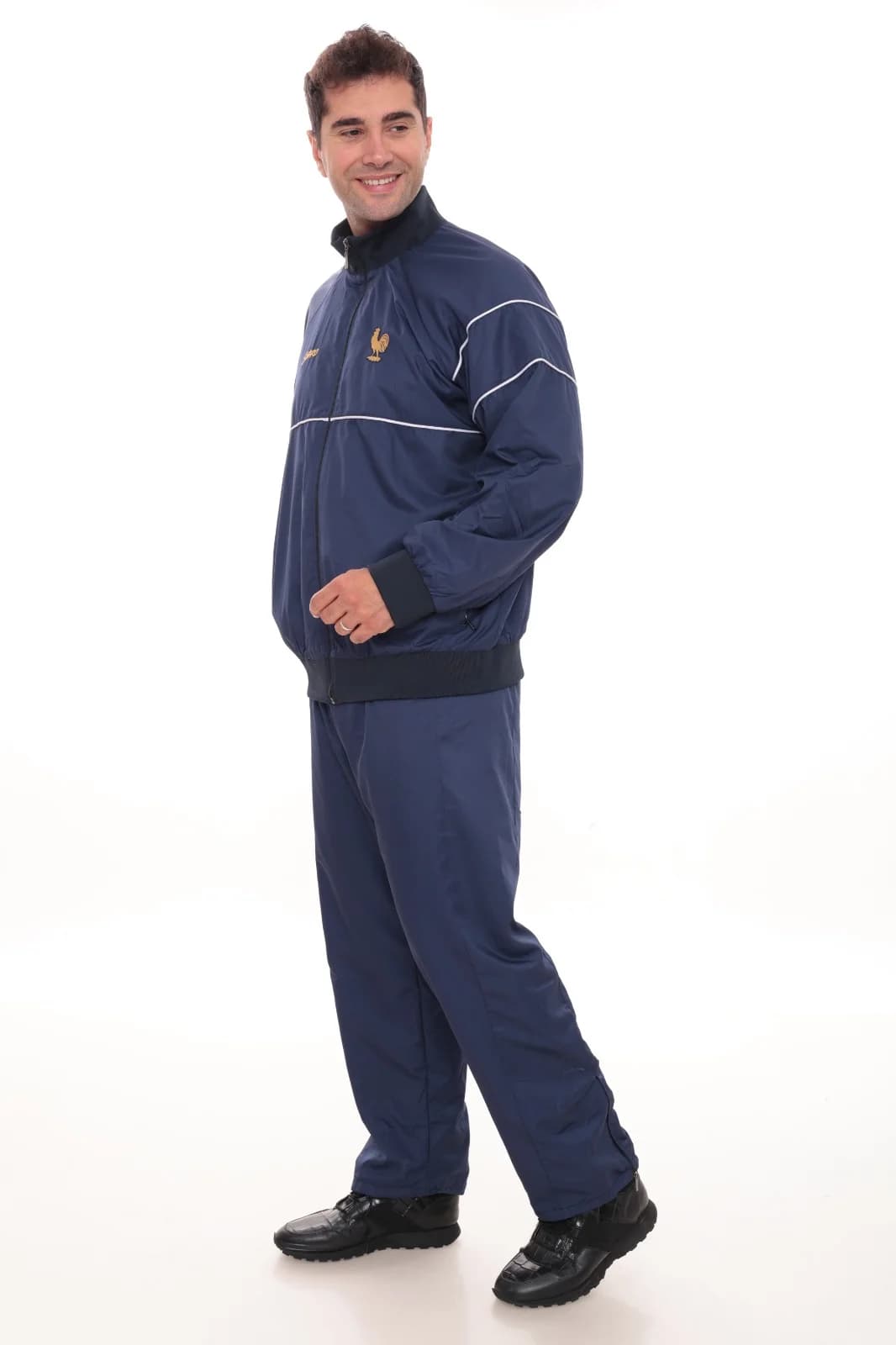



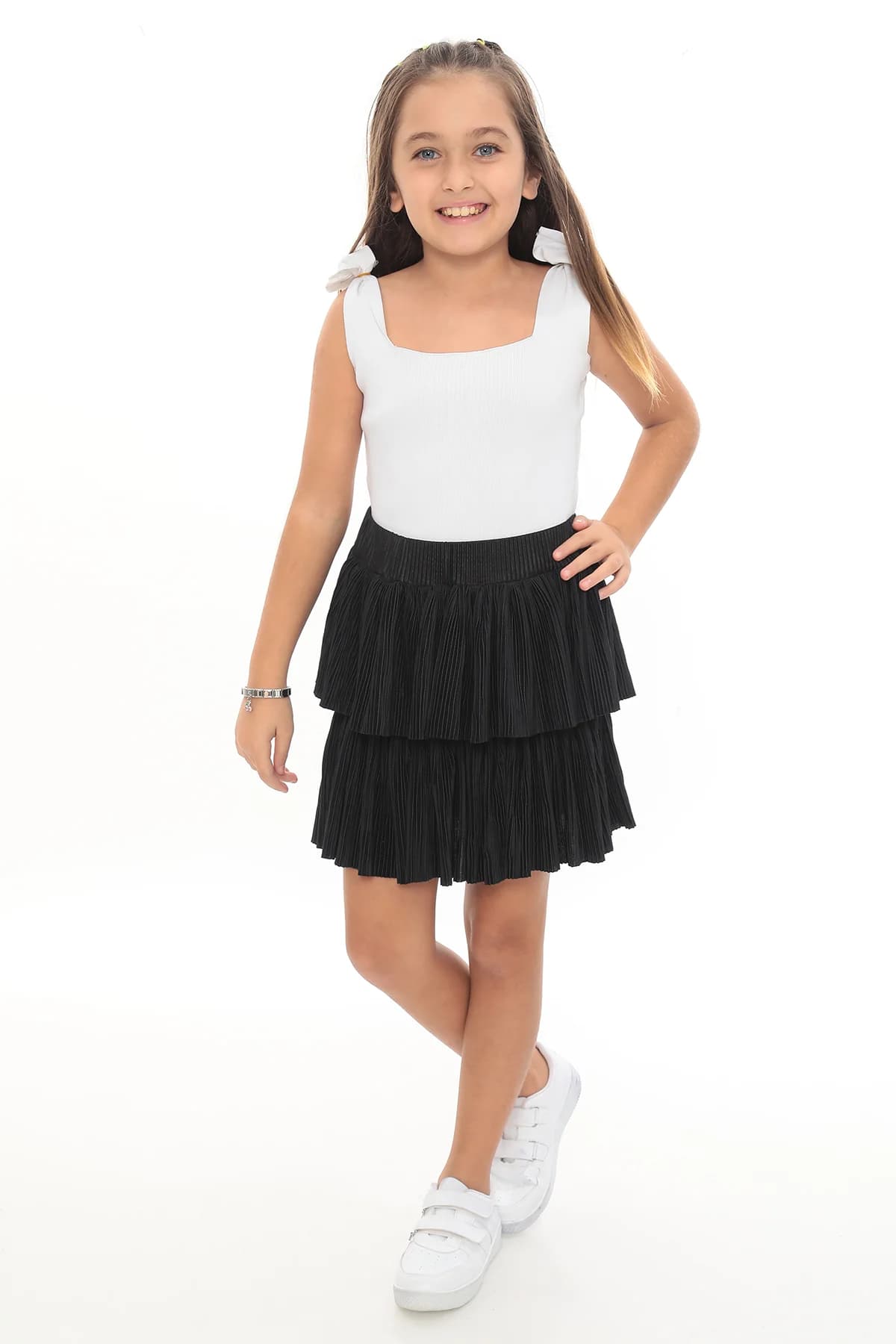

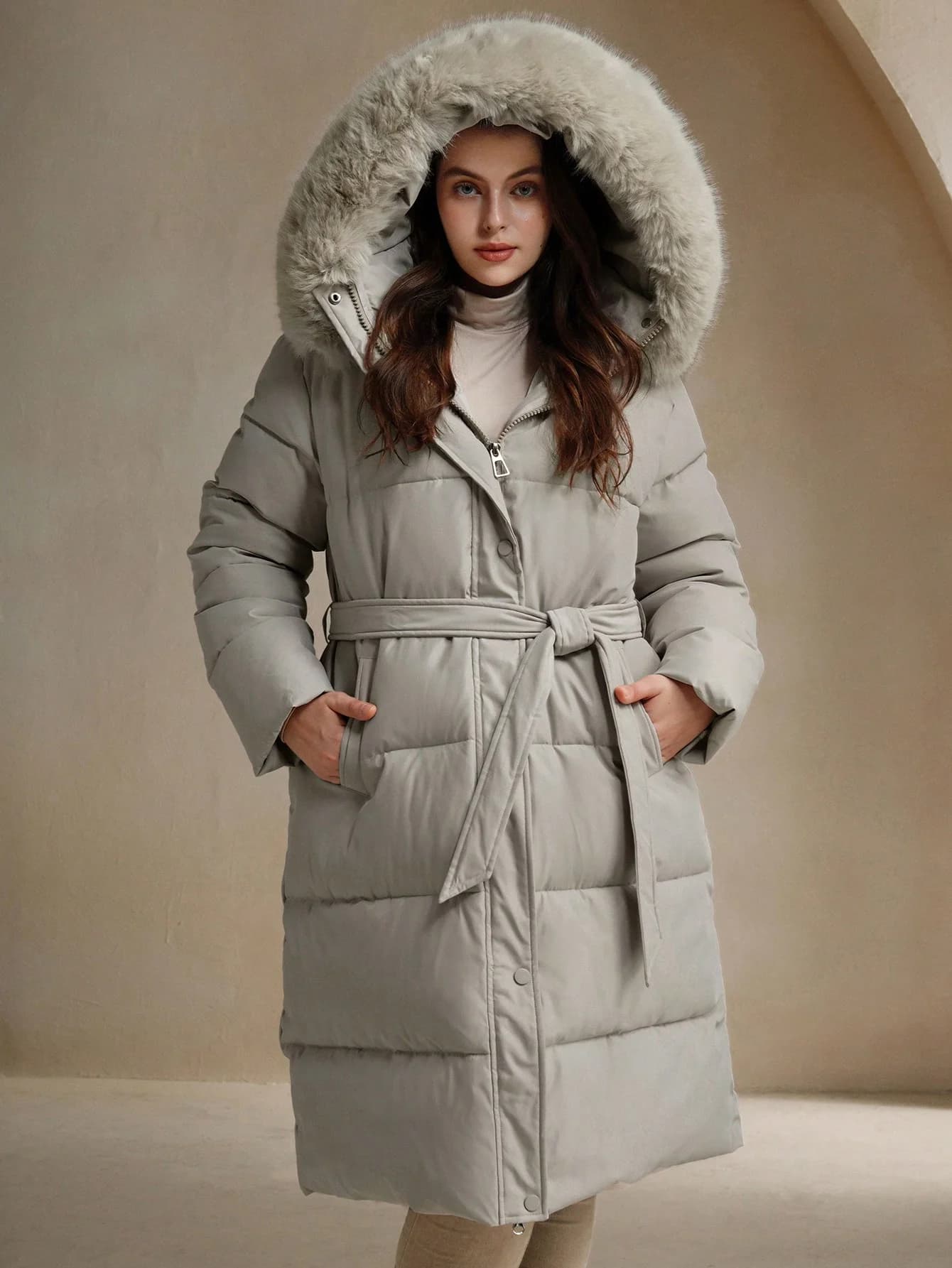
Browse clothing from Turkish manufacturers or post a request so it reaches the manufacturers in your sector.
What does South Africa already buy from Türkiye?
Türkiye exported goods worth about US$708 million to South Africa in 2025, up 8% on 2024, according to the Turkish Ministry of Trade's 2026 country profile. Machinery, vehicles and vehicle parts, electrical equipment, plastics, copper wire and sugar confectionery lead the list, and packaging machines, washing machines and carpets are among the top individual products. For a South African importer the practical advantages of Turkish suppliers are smaller minimum orders than large Asian factories usually accept, European-standard production and the option of mixing several products from one industrial region in a single container.
Do I need a permit or approval to import into South Africa?
Every commercial importer in South Africa needs a customs code from SARS, and some products need a second approval that must be in place before the goods are shipped. New clothing, furniture and most consumer goods need no import permit; used goods, and products covered by a compulsory specification, do.
| Requirement | Applies to | Who issues it | Note |
|---|---|---|---|
| Importer (customs) code | Every commercial importer | SARS, through eFiling | A foreign supplier cannot clear goods for you; the importer of record is registered in South Africa |
| Import permit | All used or second-hand goods and a list of controlled tariff lines (for example new pneumatic tyres, certain chemicals) | ITAC | Obtain it before shipment; permits are valid for the calendar year |
| Letter of Authority (LoA) | Products under compulsory specifications: electrical appliances, cables, plugs, lamps; vehicle components such as tyres, brake linings and safety glass; some chemicals | NRCS | Apply well before ordering; approval can take from several weeks to a few months |
| Establishment licence | Importers of medical devices and in-vitro diagnostics | SAHPRA | The licence is held by the South African importer or distributor |
| Country-of-origin and care labelling | Textiles, clothing, footwear and leather goods | Enforced by the National Consumer Commission with SARS | Labels must show the country of origin, fibre content and care instructions |
South Africa has no pre-shipment inspection for goods from Türkiye. The SABS pre-export verification pilot announced in 2026 covers goods shipped from China only and was put on hold in June 2026; ask your clearing agent whether anything has changed before you ship.
What import duties and VAT apply to Turkish goods?
Turkish goods pay South Africa's general rate of duty, because the preferential rates in the SARS tariff apply only to the EU, UK, EFTA, SADC, MERCOSUR and AfCFTA partners. Duty is charged on the customs value, which is normally the FOB price, and import VAT of 15% is charged on the customs value plus 10%, plus the duty. The rates below are general rates from the SARS tariff book in November 2026; your clearing agent confirms the exact heading for your product.
| Product | General rate of duty |
|---|---|
| Clothing (T-shirts, suits, dresses) | 45% |
| Footwear | 30% |
| Carpets, bed linen | 30% |
| Woven fabrics | 22% |
| Furniture | 20% |
| Cosmetics, ceramic tiles | 20% |
| Pasta (without egg) | 40%, plus anti-dumping duty |
A worked example shows how the taxes stack up: on clothing with an FOB value of R100,000, duty at 45% is R45,000, and VAT is 15% of R155,000 (R100,000 plus 10%, plus the duty), which is R23,250. Registered VAT vendors can normally claim import VAT back as input tax; the duty is a real cost.
One product needs special care: pasta from Türkiye carries an anti-dumping duty of 367% in addition to the normal duty, in force since March 2022, which makes it uneconomic to import. South Africa's safeguard duties on certain flat steel products and fasteners exclude Türkiye, so they do not apply to Turkish steel. Trade remedies change, so check the current SARS schedule for your tariff heading before ordering.
Which ports and routes are used from Türkiye to South Africa?
Containers from Türkiye to South Africa usually arrive at Durban, the country's main container port, with Cape Town and Ngqura (Gqeberha) as alternatives; cargo for Johannesburg moves inland by road or rail to the City Deep terminal. Sea transit from Turkish ports such as Mersin, Istanbul or Izmir takes roughly four to six weeks port to port, depending on the service and transhipment, so ask your freight forwarder for the current schedule.
Durban has been congested since August 2026: in early November 2026 vessels were waiting around a week or more for a berth, and the government expected the backlog to ease only in early 2027. If your cargo is time-sensitive, ask the forwarder whether routing through Cape Town or Ngqura is faster at the time, since delays have spilled over to those ports too, and build the delay into your order calendar. Ask suppliers for a CFR or CIF price to your port, then add duty, VAT, port charges, clearing and inland transport to compare landed cost. Our guide to importing from Turkey to Zimbabwe covers onward transit north of the Limpopo.
How do I pay a Turkish supplier from South Africa?
Payments for imports leave South Africa through a bank acting as an Authorised Dealer under the Reserve Bank's exchange-control rules. For ordinary goods the bank can make an advance payment against the supplier's invoice, and it needs the SARS customs declaration once the goods have arrived; payment after shipment is made against the commercial invoice and the transport document. If goods paid for in advance are not shipped within four months, the importer has to report it to the bank. Turkish manufacturers commonly ask for a deposit with the order and the balance before shipment or against copy documents; a letter of credit suits larger orders. Pay only into a bank account in the supplier company's name.
Importing from Turkey to South Africa, step by step
A first order from Türkiye to South Africa follows six steps, and the approvals come before the payment.
1) Register for a SARS importer code if you do not have one. 2) Ask your clearing agent for the tariff heading, the duty and whether an ITAC permit or NRCS Letter of Authority applies. 3) Compare several Turkish manufacturers on the same specification and agree price, Incoterm, labelling and lead time in writing. 4) Obtain any permit or approval before the goods ship. 5) Pay through your bank against the invoice and keep the documents consistent: commercial invoice, packing list, bill of lading and certificate of origin. 6) Clear the goods through your agent, pay duty and VAT, and collect from the port or inland terminal.
How Tafric helps South African buyers
Posting a request is free. Write the product, the quantity and your delivery city: Turkish manufacturers in the category see your request and contact you directly. Post your request.
Frequently asked questions
Can I import from Turkey to South Africa?
Yes. You need a SARS importer code, the correct tariff heading and, for some goods, an approval before shipment: an ITAC permit for used and other controlled goods, or an NRCS Letter of Authority for products under compulsory specifications such as electrical appliances and vehicle components.
How much is import duty on clothing from Turkey to South Africa?
Most clothing pays the general rate of 45%, because there is no free trade agreement between South Africa and Türkiye. Import VAT of 15% is then charged on the customs value plus 10%, plus the duty.
Is there a free trade agreement between South Africa and Turkey?
No. Turkish goods pay the general rate of duty in the SARS tariff. Preferential rates apply only to partners such as the EU, UK, EFTA, SADC, MERCOSUR and AfCFTA countries.
How long does shipping from Turkey to South Africa take?
Sea freight from Turkish ports to Durban takes roughly four to six weeks port to port, depending on the service and transhipment. Durban was congested in late 2026, so ask your forwarder for the current schedule and berth delays.
Do I need an import permit for clothes from Turkey?
New clothing does not need an ITAC import permit. Used clothing needs one, and permits are not normally granted for resale; all clothing must carry country-of-origin, fibre-content and care labels.
How do I find Turkish suppliers for South Africa?
Post a free request on Tafric with the product, quantity and delivery city. Turkish manufacturers in that category see the request and contact you directly, and you can compare them on the same specification.