



OZERTEKNIK IKLIMLENDIRME VE ENERJI AS.SAMSUN, Türkiye

Verified
Est. 1994 · 3 productsView profile
 TAFRICTÜRKİYE–AFRICA B2B
Source rebar and structural steel, cement, ceramic tiles and sanitaryware, doors and windows, roofing, insulation and construction chemicals from Turkish factories that already supply Europe, the Gulf and West Africa — CE-marked, priced for full containers.
Listed by reviewed manufacturers and exporters in this sector — open a product to request a quote.
Reviewed Turkish manufacturers and exporters — firms with a catalog first.
Open construction and building requests by destination — see suppliers serving each market.
From request to negotiated quote without leaving Tafric.
Product, quantity, destination. Two minutes; the account comes last.
Firms in your sub-category reply with price, MOQ and lead time.
Message, request samples and agree terms with a full record of the deal.
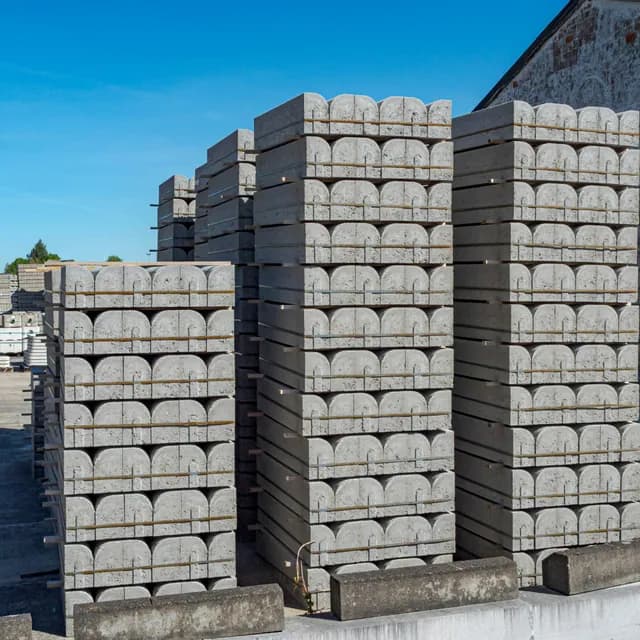
Türkiye is Europe's largest steel producer, the world's second-largest cement exporter and a top-five exporter of ceramic tiles — with a construction-materials industry built for the Gulf, Europe and Africa. For contractors and hardware importers from Lagos to Dar es Salaam, it is the closest source of full-container lots of rebar, cement, tiles, sanitaryware, doors and roofing at Asian price levels with a 2–3 week sailing.
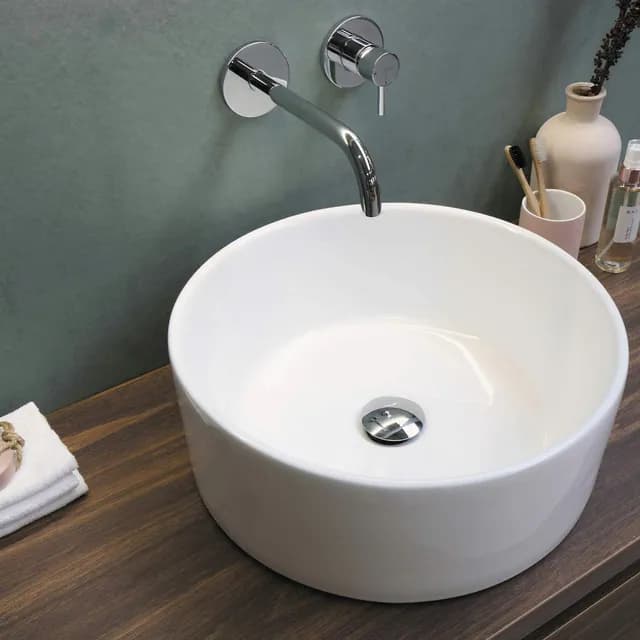
Three practical reasons. Scale and price: Turkish mills roll more than 30 million tonnes of steel a year and Turkish cement plants run at export volumes, so rebar, wire rod, clinker and bagged cement are quoted at global-benchmark prices, not boutique ones. Standards you can verify: rebar is produced to TS 708 / BS 4449 grades, tiles to EN 14411, sanitaryware to EN 997, doors and windows to CE marking under the Construction Products Regulation — and most factories hold TSE, ISO 9001 and third-party test reports that African regulators (SONCAP, KEBS, GSA) already recognise. Proximity: Iskenderun, Mersin and İzmir ship to Lagos, Tema and Abidjan in 14–21 days and to Mombasa and Dar es Salaam in 18–25, so a distributor can turn stock monthly instead of financing a quarter of inventory.
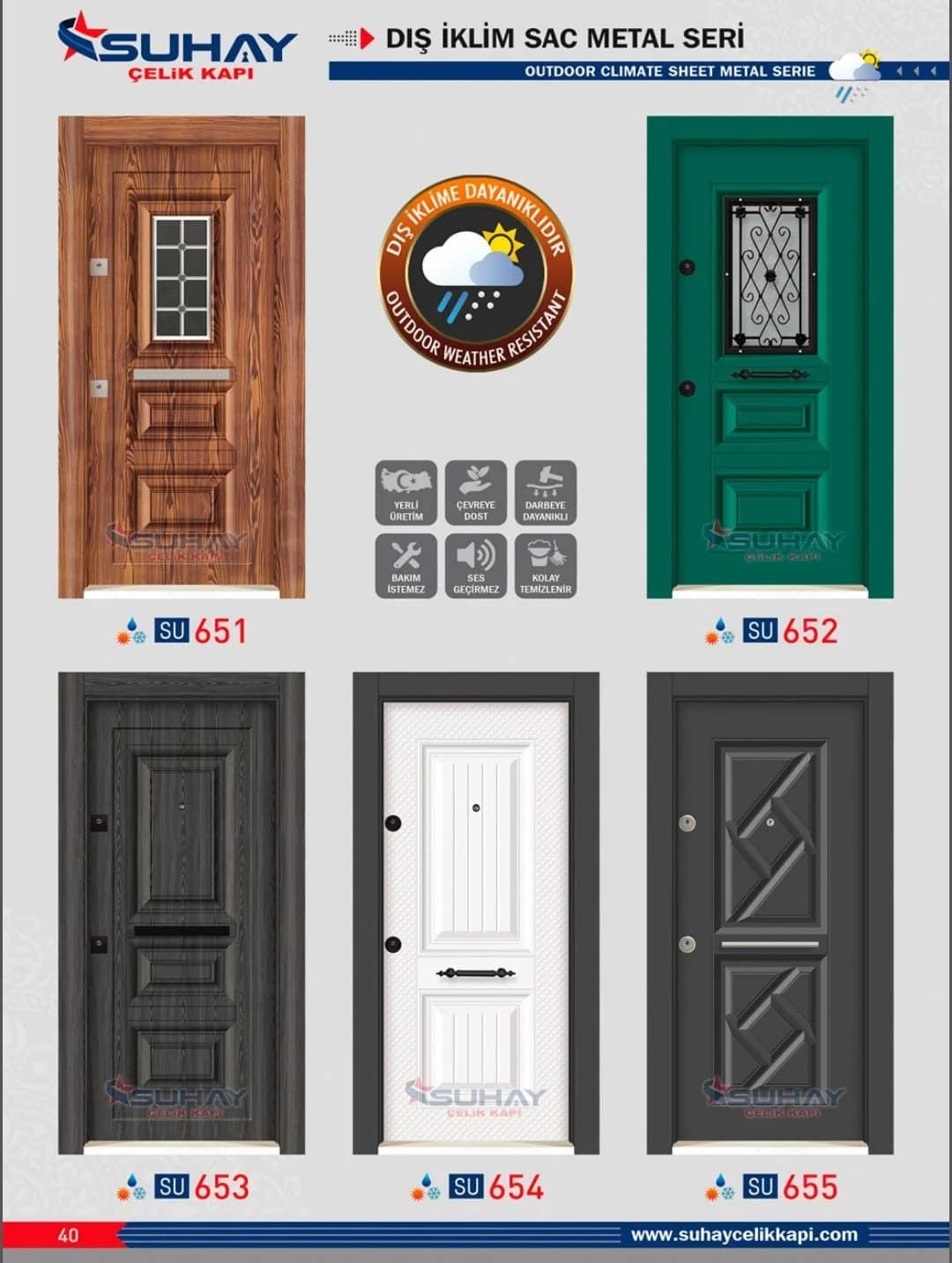
İskenderun-Hatay and İzmir-Aliağa host the steel mills; Kütahya, Eskişehir, Bilecik and Manisa are the ceramic tile and sanitaryware clusters; cement comes from plants along the Mediterranean and Marmara coasts; Kayseri, Konya and Bursa make doors, windows, steel doors and prefabricated buildings; Istanbul and Gaziantep produce construction chemicals, insulation and paints.
Steel and cement are quoted per tonne with mill minimums; finishing products by container. Expect roughly:
Indicative FOB Türkiye figures, mid-2026 — not live quotes. Steel and cement move with global indices and are fixed for days, not weeks; ask for a dated pro forma. Tender-size orders (1,000 t+ steel, multiple containers of tiles) typically bring 5–10% below these ranges.
Stock items (tiles, sanitaryware, hardware, chemicals) ship in 7–15 days; rebar and structural steel are rolled to order in 15–30 days; doors, windows and prefabricated structures made to your sizes take 30–60 days. Sea freight: 14–21 days from Mersin or Iskenderun to Lagos, Tema, Abidjan and Dakar, 18–25 days to Mombasa and Dar es Salaam, 10–14 days to Casablanca and Alexandria. Heavy commodities (rebar, cement, clinker) also move as break-bulk or in bulk vessels for orders above 3,000–5,000 tonnes, which cuts freight per tonne substantially.
Plan by weight and volume: a 20-foot container carries about 25–27 tonnes of rebar or bagged cement, while tiles are limited to roughly 20–22 tonnes; sanitaryware, doors and insulation are volume goods and ship in 40-foot high-cubes. Most Turkish exporters quote FOB and will quote CFR to your port on request — for steel and cement, CFR is often better than your own forwarder's rate because the mill ships weekly.
Ask for the mill test certificate (MTC, EN 10204 3.1) with every steel shipment — it states heat number, grade and mechanical test results per batch. For cement, the manufacturer's certificate of conformity to EN 197-1 (CEM I / CEM II) with 28-day strength results; for tiles, the EN 14411 declaration with water absorption and PEI class; for sanitaryware and taps, EN 997 / EN 200 test reports. CE marking under the Construction Products Regulation covers most product groups and comes with a Declaration of Performance (DoP) you can request as a PDF. TSE and ISO 9001 certificates prove the factory system; check certificate numbers on the issuer's site.
Destination conformity is mandatory for most building materials: Nigeria's SONCAP (steel, cement, tiles, sanitaryware, electrical), Kenya's PVoC/KEBS, Tanzania's PVoC, Ghana's GSA conformity route and Ethiopia's ECAE all require a certificate of conformity issued by a pre-shipment inspection body before the goods sail. Turkish exporters deal with Bureau Veritas, SGS, Intertek and Cotecna weekly — ask the supplier to handle the inspection and include it in the quote so your consignment is not held at the port.
About sourcing construction and building from Turkish suppliers through Tafric.