


ON THIS PAGE
Tafric request data as of November 16, 2026
You can buy wholesale clothing from Turkey directly from the factories and showroom wholesalers that make ladies' wear, men's suits and shirts, T-shirts and casual wear, usually sold by the series, one piece per size. Turkey is a manufacturing country: its clothing exports were about $16.4 billion in 2025, according to Turkey's Ministry of Trade. To buy well, specify the fabric, size run and colours, take a sample first, and check your country's import rules before you pay.
Tafric is a B2B marketplace that connects Turkish manufacturers with African buyers: the buyer posts a request for free, Tafric checks it, and Turkish manufacturers in that category contact the buyer directly.
Why buy clothing from Turkey rather than Dubai or China?
Turkey is a good source of clothing when you want factory-made garments with good fabric and fit, current styles and flexible mixed orders. Dubai is mainly a trading hub that resells stock made in several countries, and China is strongest on very large volumes at the lowest prices. In Turkey you can reach the workshop or factory itself, or a showroom wholesaler that sells its own production.
Turkish garment makers mostly work for European customers: in the first nine months of 2025, $7.8 billion of the sector's $12.7 billion of exports went to the 27 EU countries, according to the Istanbul Apparel Exporters' Association (İHKİB). Turkish clothing is rarely the cheapest per piece; it sells best where customers pay for quality, such as office wear, suits and dresses. For a wider comparison, read China, Dubai or Turkey: where to buy wholesale stock.
Where is clothing made and sold wholesale in Turkey?
Istanbul is the centre of Turkey's clothing trade, but its famous wholesale districts, Merter, Osmanbey and Laleli, are mainly showroom and trading areas, not the places where clothes are sewn. Sewing is done in workshops and factories across Istanbul's outer districts and in other cities. Ask a Merter or Laleli supplier whether they produce themselves or buy from workshops: the answer changes how flexible they are on models, labels and quantities.
| Place | What it is known for | What buyers source there |
|---|---|---|
| Istanbul: Merter, Osmanbey, Laleli | showroom wholesalers, trading companies | ready stock by the series, mixed ranges, ladies' wear, men's wear |
| Istanbul: workshops and factories | the largest garment production base | production to order, private label |
| İzmir | womenswear, evening and wedding wear | dresses, evening and wedding wear, ladies' collections |
| Bursa | fabrics, baby and children's wear | fabrics, children's wear |
| Denizli | home textiles and knitted garments | knitwear, T-shirts |
| Tekirdağ (Çorlu, Çerkezköy) | dyeing, printing and fabric finishing | not a buying destination; supplies the factories |
| Malatya, Adıyaman and other eastern cities | contract sewing for Istanbul companies | reached through the Istanbul company that sells |
To find who makes your item, describe it and let manufacturers in that category contact you; our guide to finding and verifying Turkish manufacturers explains how to check a company before you pay.
What clothing do African boutiques buy from Turkey?
African boutiques and wholesalers buying from Turkey ask mainly for ladies' wear, office and corporate wear, men's suits and shirts, T-shirts and polos, and casual wear such as chinos, joggers and tracksuits. Buyers on Tafric describe their needs in their own words: "ladies wears", "men's suits and shirts", "T-shirts and jeans", "casual shirts and trousers", "ladies office suits", "corporate gowns", "round neck T-shirts" or simply "clothes" and "apparel", from Nigeria, Zimbabwe, Zambia, Uganda, Tanzania, Ghana and Kenya.
| What buyers ask for | Typical items | Tell the supplier |
|---|---|---|
| Ladies' wear | dresses, two-piece sets, tops, skirts, trousers, plus sizes | sizes (EU 36–46 or S–XL), fabric, length, sleeve, colours per model |
| Office and corporate wear | ladies' suits, corporate gowns, men's office shirts | jacket and skirt or trouser, lining, sizes, colours |
| Men's suits | two-piece and three-piece suits, slim or classic fit | jacket sizes (EU 46–58), fabric composition, lining, trouser length |
| Men's shirts | formal and casual shirts, long or short sleeve | collar sizes or S–XXL, fabric (cotton, cotton blend), fit |
| T-shirts and polos | round neck, V-neck, polo, plain or printed | fabric weight and cotton content, colours, print or embroidery |
| Casual wear | chinos, joggers, tracksuits, hoodies, shorts | size run, fabric, colours, quantity per model |
If you need a mixed order, such as suits with shirts, say so: some wholesalers cover only ladies' or men's wear. Jeans, abayas and children's wear have their own guides: wholesale jeans, abayas and hijabs and baby and kids' clothes.
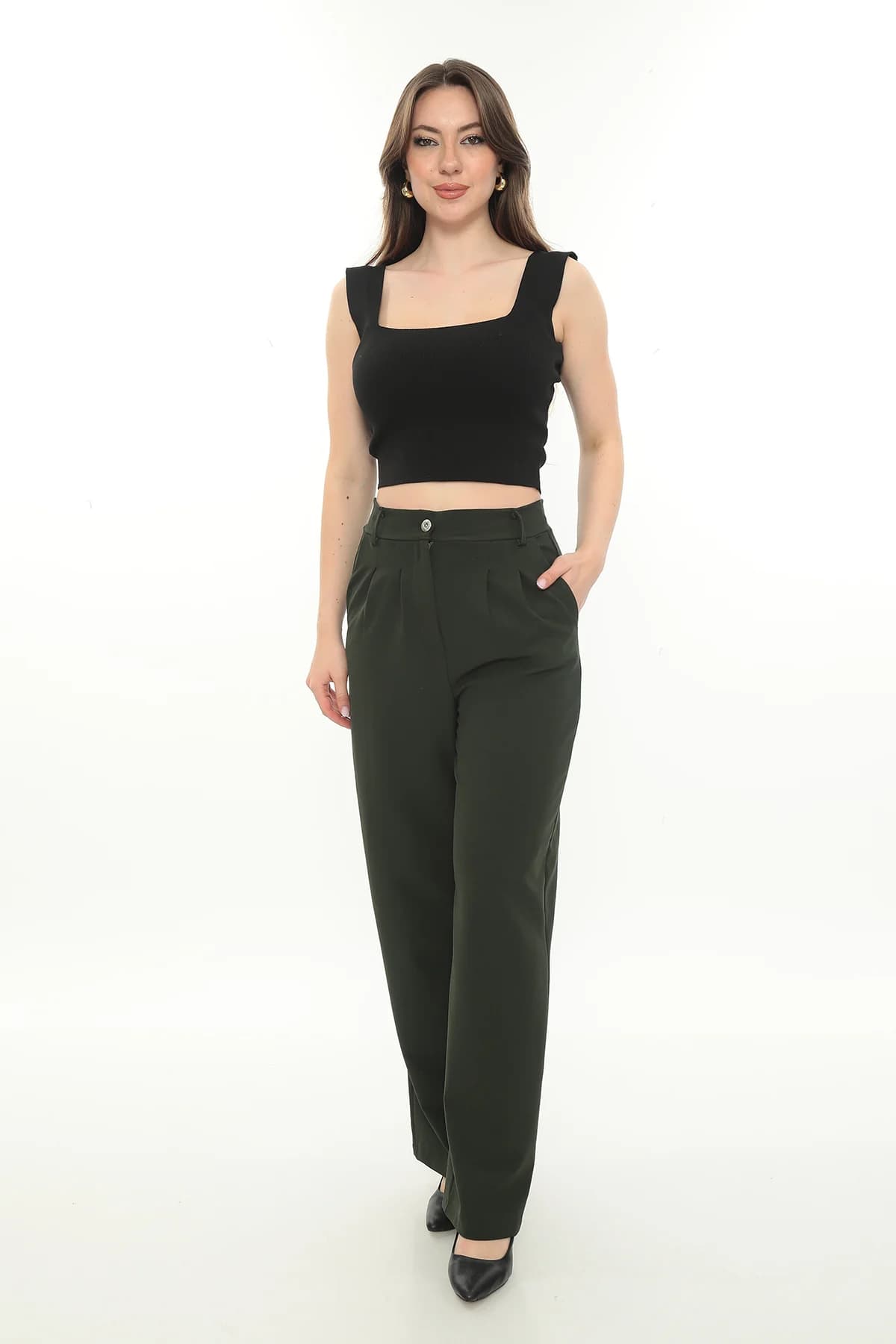

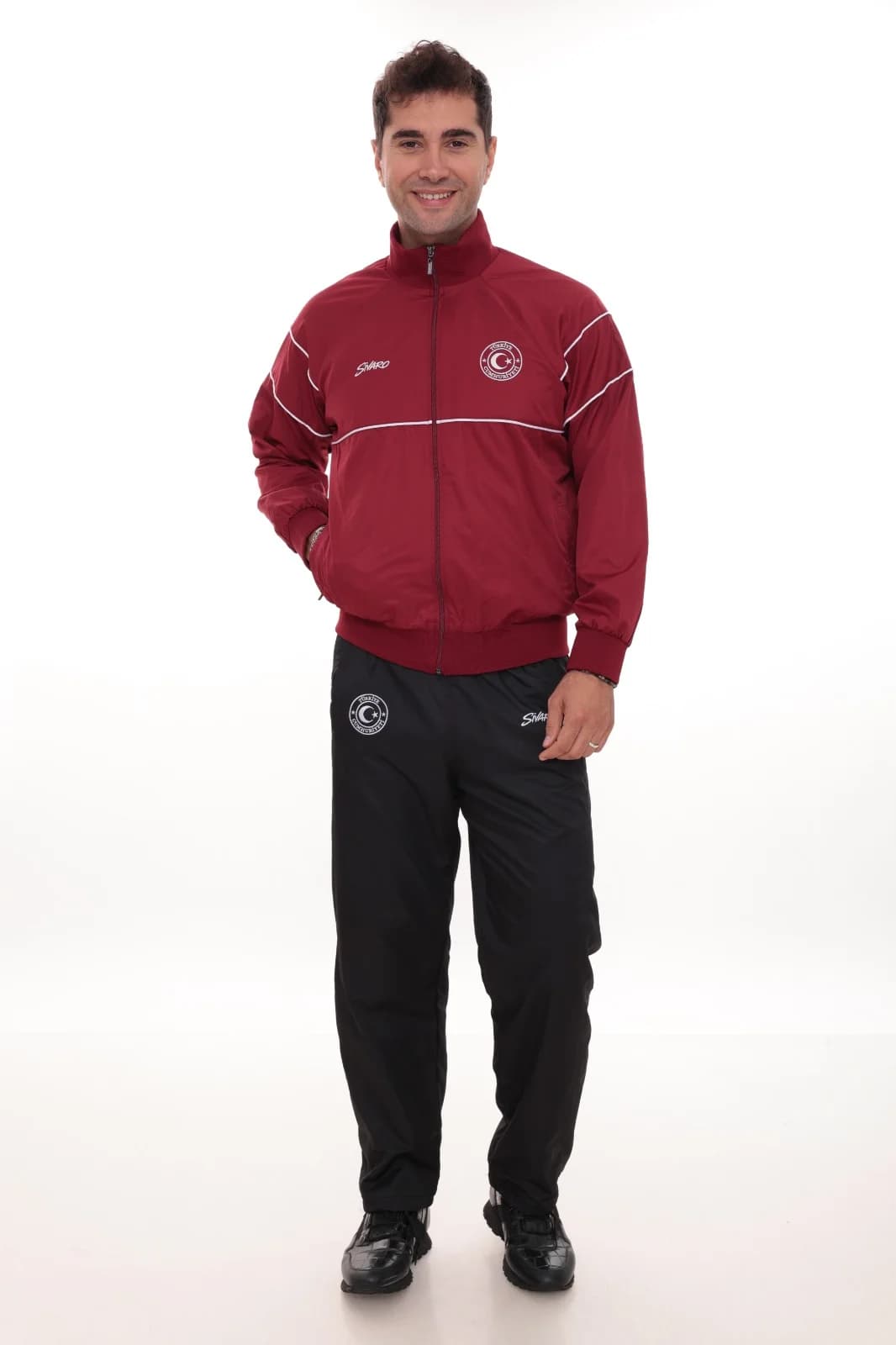

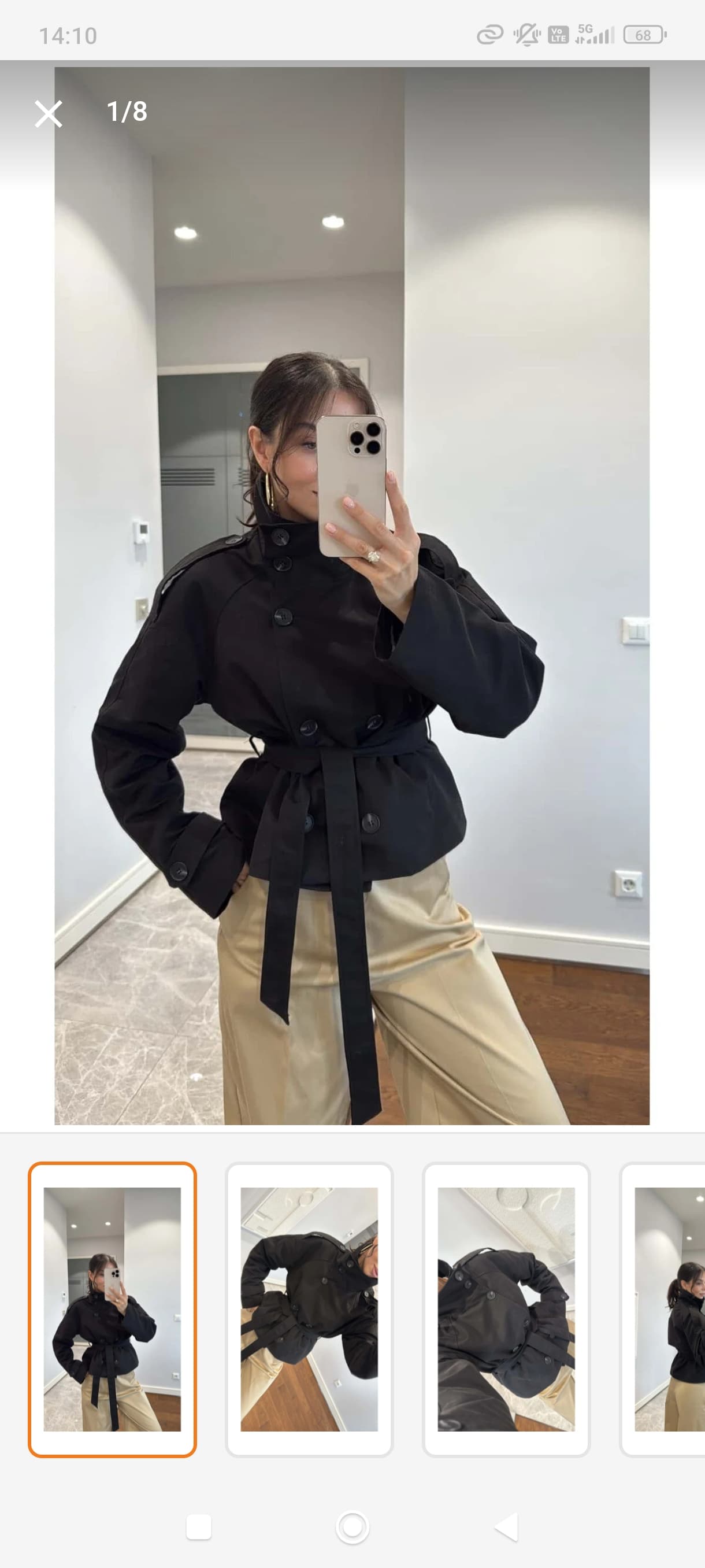
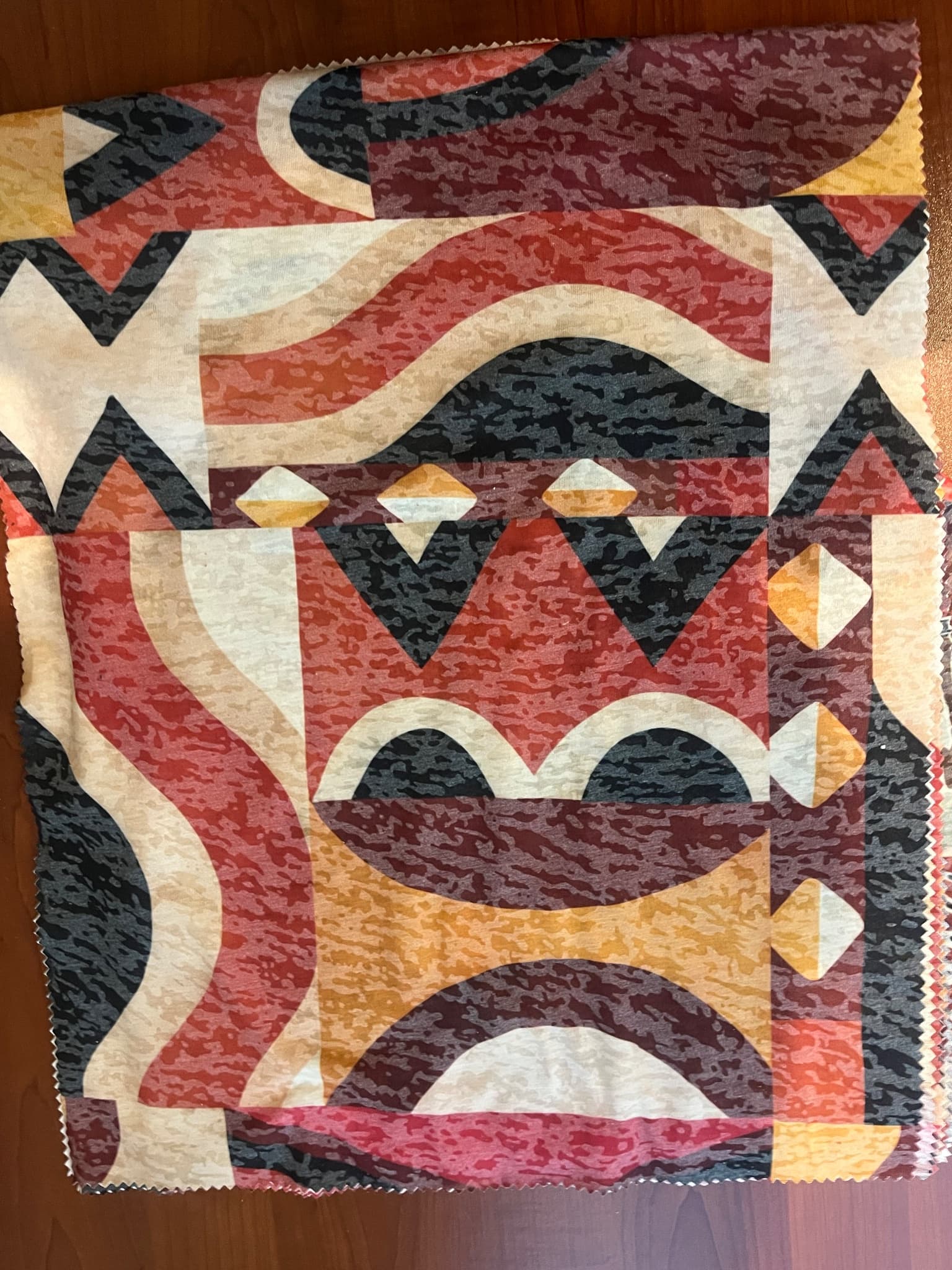
Browse clothing from Turkish manufacturers or post a request so it reaches the manufacturers in your category.
How do series, sizes and minimum orders work?
Turkish clothing wholesalers usually sell by the series: one series is a pack with one piece of each size in a fixed range, for example EU 36, 38, 40, 42 and 44, or S, M, L and XL. You choose a model and a colour and order a number of series. Ask three questions for every model: how many pieces are in a series, which sizes it contains, and how many series per colour the supplier requires. Some ladies' items are sold in one "standard" size; ask which body sizes it fits.
Minimum orders follow the same logic. A showroom wholesaler selling from stock usually accepts a small number of series per model, while a factory sewing to order needs a larger quantity per style and colour because fabric is cut in batches. Your own label, special colours or a custom fabric raise the minimum; some wholesalers accept more pieces of the middle sizes. Turkish sizes follow EU sizing; use the conversion below as a guide and check the supplier's chart in centimetres.
| Women (EU) | 34 | 36 | 38 | 40 | 42 | 44 | 46 |
|---|---|---|---|---|---|---|---|
| UK | 6 | 8 | 10 | 12 | 14 | 16 | 18 |
| US | 2 | 4 | 6 | 8 | 10 | 12 | 14 |
| Men's suit jacket (EU) | 46 | 48 | 50 | 52 | 54 | 56 | 58 |
|---|---|---|---|---|---|---|---|
| Chest, UK/US (inches) | 36 | 38 | 40 | 42 | 44 | 46 | 48 |
| Shirt collar (EU, cm) | 38 | 39 | 40 | 41 | 42 | 43 | 44 |
| Shirt collar (inches) | 15 | 15½ | 15¾ | 16 | 16½ | 17 | 17½ |
For men's suits, write "hemmed" or "unhemmed" trousers in your order, and ask whether jacket and trouser sizes are fixed together (a 50 jacket with a 50 trouser) or can be mixed.
What decides the price of Turkish clothing?
The price of Turkish clothing depends mainly on the fabric, the amount of work in the garment and the order quantity per model, so two suppliers' prices are only comparable when the specification is the same. Compare item by item:
| Price factor | What to ask or specify |
|---|---|
| Fabric | composition (for example 100% cotton, polyester-viscose, wool blend), weight, stretch |
| Workmanship | lining (full, half or none), interfacing in suit jackets, pleats, embroidery, prints |
| Trims | buttons, zips, labels, hangers, polybags |
| Quantity | price per piece and per series; price breaks for larger orders |
| Stock or production | ready stock ships faster; production to order allows your fabric and colours |
| Packing | pieces per carton, carton size and weight, folded or on hangers |
| Delivery basis | ex-works, FOB Istanbul or CFR to your port |
Ask for a sample before the first order: either a few pieces from stock or one complete series, sent by international courier. Check fabric, stitching and real measurements, wash one piece, and keep the approved sample as the reference. Do not order copies of famous brands: counterfeit goods are prohibited in Nigeria and can be seized in other countries. Ask for unbranded goods, the supplier's own label or your own label, and agree on labels and packaging before production.
What are the import rules for clothing in Nigeria, Kenya and other African countries?
Clothing shipped from Turkey to Kenya, Tanzania, Uganda, Ghana and Zimbabwe needs a certificate of conformity issued before shipment (small consignments can be exempt; ask your agent), and in Nigeria you must first confirm that your garments are not on the import prohibition list. The table covers new garments (HS chapters 61 and 62); confirm with your clearing agent before you pay a deposit.
| Country | Rule for new clothing | What to check |
|---|---|---|
| Nigeria | Older prohibition lists (2013) banned ready-made garments; the revised 17-item list in force since 1 April 2026 does not name garments, but the official tariff annex has not been published and some 2026 sources still list textiles. Second-hand clothing is prohibited | Ask a licensed customs agent to confirm your HS codes against the current list before you open Form M, and whether your garments need SONCAP certification |
| Kenya | KEBS PVoC: textiles and garments need a certificate of conformity before shipment | For 2026/27 Kenya applies 35% duty on most garments (EAC Gazette, 30 June 2026), plus IDF 2.5%, railway levy 2% and VAT 16% |
| Uganda | UNBS PVoC certificate of conformity before shipment | For 2026/27 Uganda applies 35% on the garments listed in the EAC Gazette of 30 June 2026 |
| Tanzania | TBS PVoC certificate of conformity before shipment | Duty under the EAC common external tariff; ask your agent for the rate on your exact HS code |
| Ghana | GSA EasyPASS: textiles and garments are in scope; since 1 July 2026 the certificate is obtained from the GSA portal before shipment | African prints are on GSA's high-risk list; plain garments are not |
| Zimbabwe | CBCA: clothing and textile products need a CBCA certificate before shipment | Goods without one face a penalty and inspection on arrival |
| Zambia | Pre-declaration to ZRA is mandatory, at least 5 days before arrival | Confirm the duty and any standards requirement with your clearing agent |
EAC duty rates change every July and Nigeria revised its list in April 2026, so check again before each new order. Nigeria's documents are covered in our Nigeria import guide; for landed cost, see our guides to Kenya import duty and importing apparel to Zimbabwe. Sea freight from Turkey to West Africa usually takes about 3 to 6 weeks port to port, depending on the service and transhipment (direct sailings are at the short end); East and Southern Africa take longer via Suez. In Nigeria, Ghana, Kenya and Tanzania cargo insurance is bought locally, so ask for FOB or CFR prices.
If you sew your own garments, see our guide to Turkish fabric wholesale: lace, suiting and dress fabrics.
For handbags, scarves and jewellery to sell alongside clothing, read Turkish handbags wholesale for African boutiques.
How do you import clothing from Turkey, step by step?
A first wholesale clothing order from Turkey goes smoothly when models, size runs, sample and documents are agreed before the deposit. 1) Make a list per model: item, fabric, size run, colours and number of series, plus your delivery city or port. 2) Post a free request or contact two or three Turkish suppliers with the same list, and compare photos, fabric details and prices on the same basis. 3) Order a sample or one series per model and check it against your list. 4) Agree in writing on prices per piece and per series, delivery basis, lead time, labels, packing, tolerance on measurements and payment through a bank to the supplier's company account. 5) Start your country's documents with your clearing agent: Form M in Nigeria, the certificate of conformity in Kenya, Tanzania, Uganda, Ghana or Zimbabwe, the pre-declaration in Zambia. 6) Check the goods or photos of the packed cartons against the packing list before paying the balance.
On Tafric you post your clothing request for free: write the items, sizes, colours, quantity per model and your delivery city, and Turkish manufacturers and wholesalers in the category contact you directly. Post your clothing request.
Frequently asked questions
How do I buy wholesale clothes from Turkey?
List the models, fabrics, sizes, colours and number of series you want, contact Turkish manufacturers or showroom wholesalers (or post a free request so they contact you), order a sample, then agree prices, labels, packing and delivery in writing before paying through a bank. Check your country's import documents with a clearing agent before shipment.
Where is the wholesale clothing market in Turkey?
Istanbul's Merter, Osmanbey and Laleli districts are the best-known wholesale clothing areas. They are mainly showrooms and trading companies; sewing is done in workshops across Istanbul and in cities such as İzmir, Bursa, Denizli and several eastern provinces.
What is a series in Turkish wholesale clothing?
A series is a pack with one piece of each size in a set range, for example EU 36 to 44 or S to XL, in one model and colour. Wholesalers price per series and set a minimum number of series per model and colour, so always ask how many pieces and which sizes a series contains.
What size is a Turkish 50 suit?
A Turkish (EU) size 50 suit jacket corresponds roughly to a UK/US chest size of 40 inches; 48 is about 38 and 52 about 42. Sizes vary between makers, so ask for the supplier's measurement chart in centimetres.
Can I import clothes from Turkey to Nigeria?
Check your HS codes with a licensed customs agent before you open Form M: the 2026 prohibition list does not name new garments, but its official annex is unpublished, and second-hand clothing is prohibited. Our Nigeria import guide explains the Form M, SONCAP and the 2026 list.
Why are Turkish clothes more expensive than Chinese clothes?
Turkish garments are usually made in smaller, mixed runs with European-standard fabrics and sizing, and many factories work mainly for European customers. China has lower prices on very large volumes. Compare both on the same fabric, workmanship and quantity, not on the headline price.
The Tafric Editorial Team writes export, import and shipping guides for trade between Türkiye, Africa and the Middle East. Articles use data from real buying requests published on Tafric (with no personal information, stating the period covered) and official sources such as customs authorities, trade ministries, UN Comtrade and the World Bank. Articles get a second review of figures and regulations before publication and are updated when rules change. Details: our Editorial policy page.