









Asortie Mobilya ve Dekorasyon Bilişim İnşaat ve DIŞ TİC A.Ş.İstanbul, Türkiye
Verified
Est. 2009 · 39 productsView profile

 TAFRICTÜRKİYE–AFRICA B2B
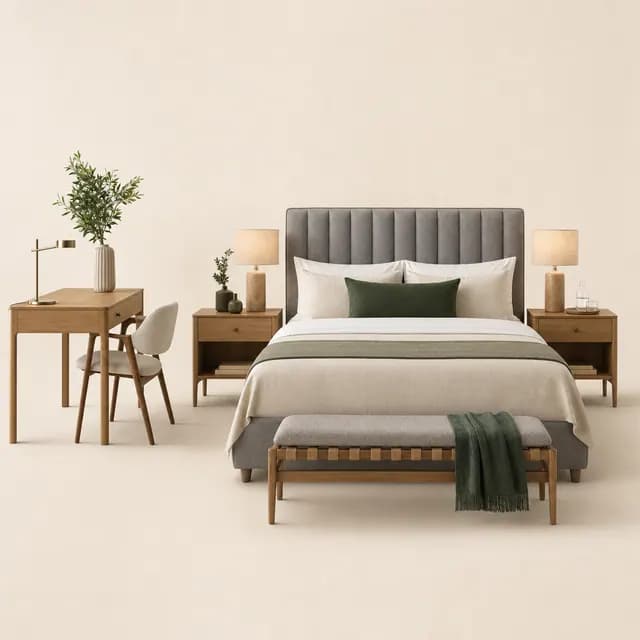
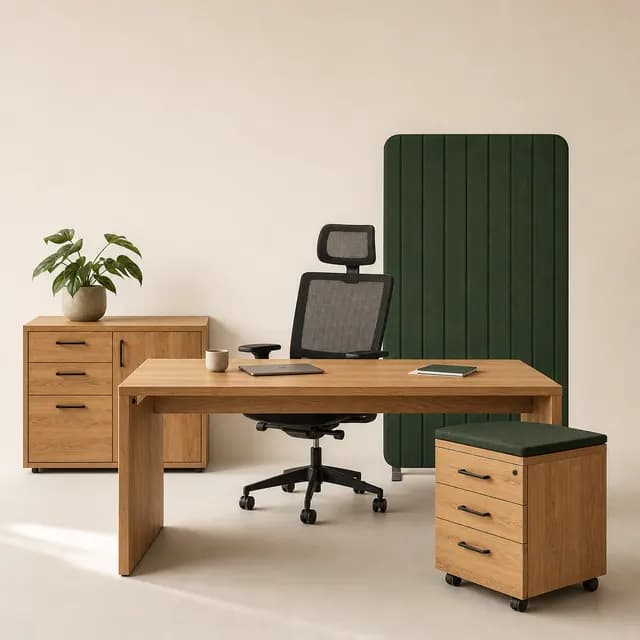
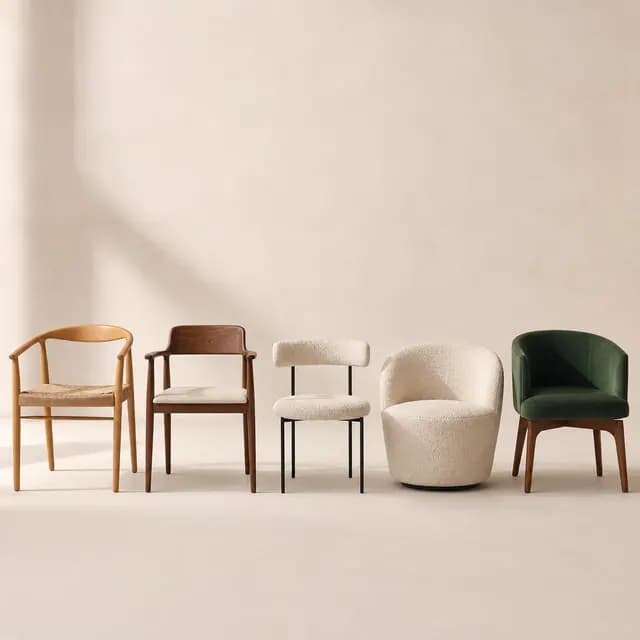
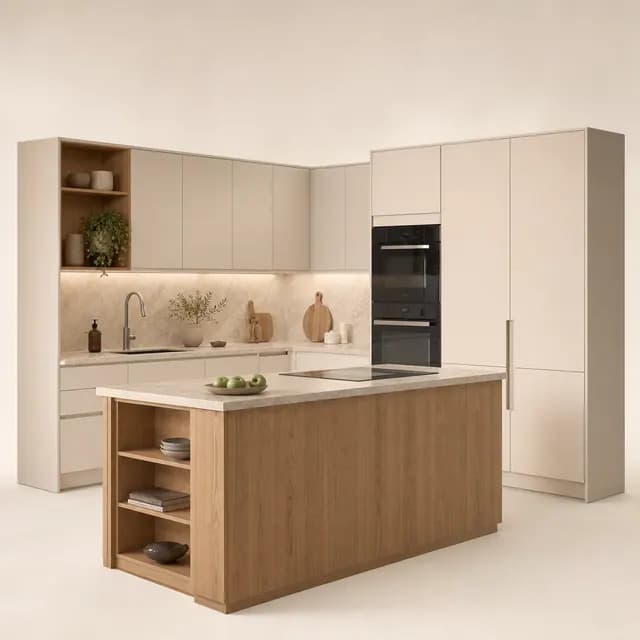
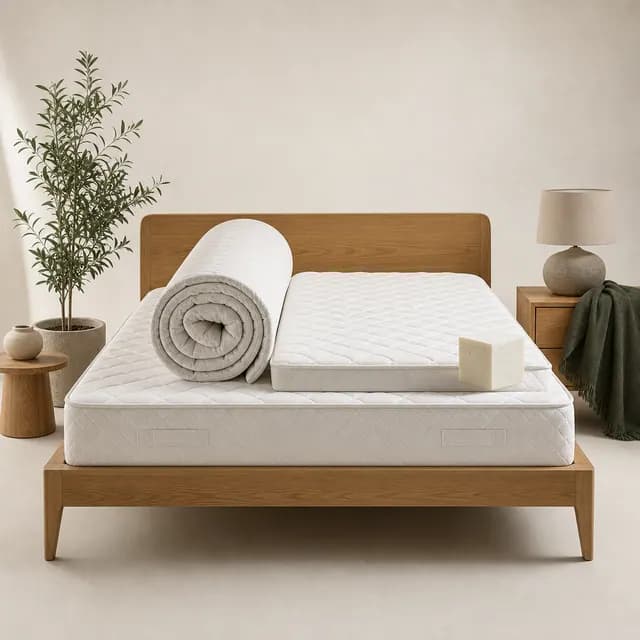
Source sofas, beds and mattresses, dining and bedroom sets, hotel, office, café and school furniture from Turkish factories in İnegöl, Kayseri and Istanbul — modern design, solid construction, priced for a full container.
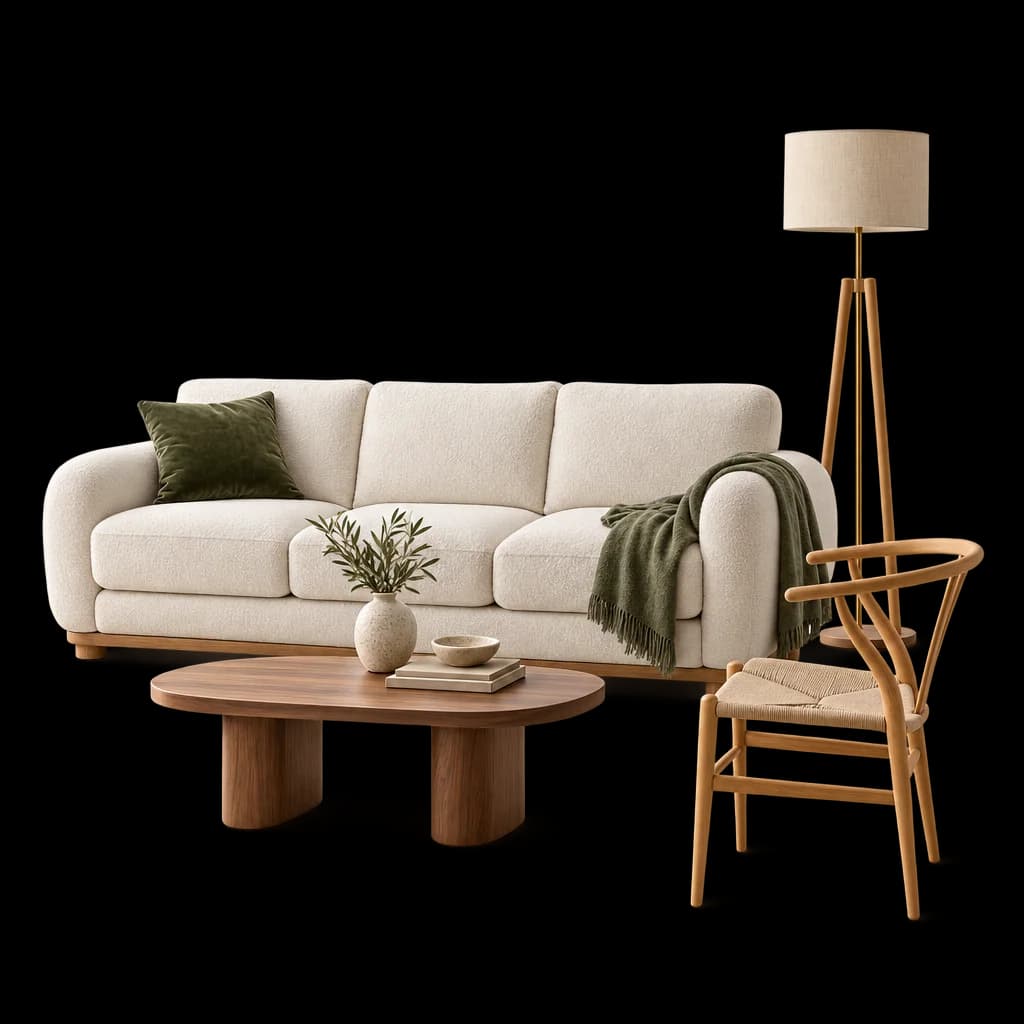
Listed by reviewed manufacturers and exporters in this sector — open a product to request a quote.
Reviewed Turkish manufacturers and exporters — firms with a catalog first.
Open furniture requests by destination — see suppliers serving each market.
From request to negotiated quote without leaving Tafric.
Product, quantity, destination. Two minutes; the account comes last.
Firms in your sub-category reply with price, MOQ and lead time.
Message, request samples and agree terms with a full record of the deal.
Türkiye is Europe's largest furniture manufacturer after Italy, Germany and Poland and exports more than $5 billion a year — sofas and beds from İnegöl, bedroom and dining sets from Kayseri, office and hotel projects from Istanbul and Ankara. For African showrooms and hospitality projects it combines European design with Asia-level prices and a two-to-three-week sailing.
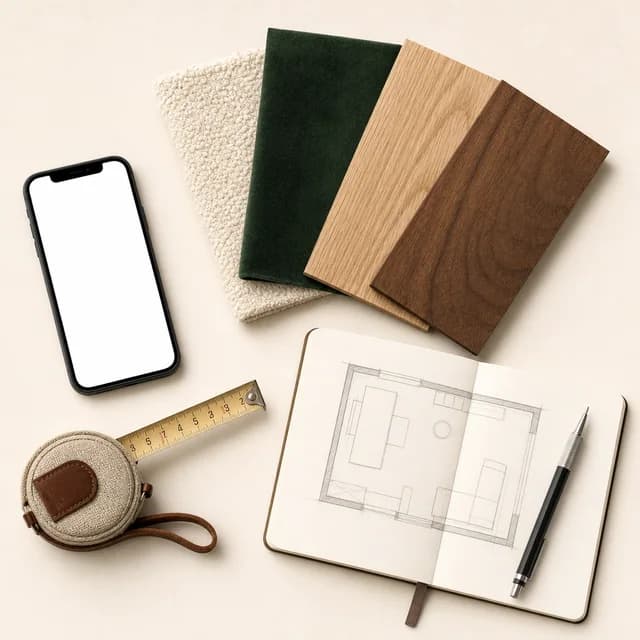
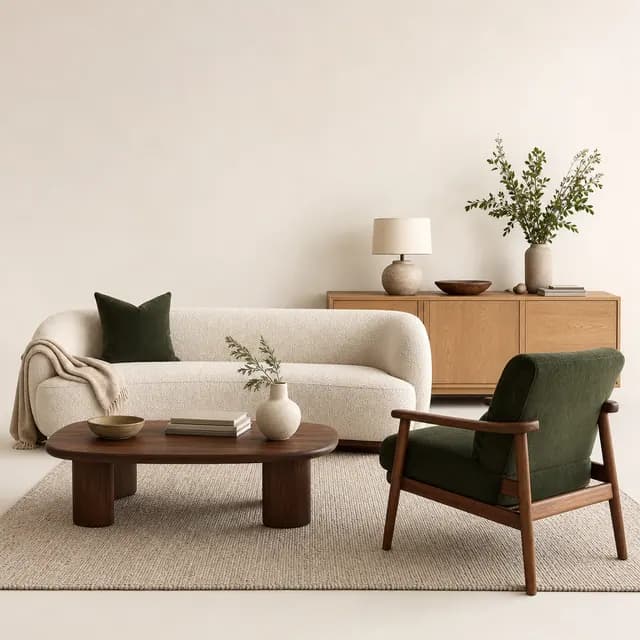
Three practical reasons. Vertical clusters: İnegöl alone has more than 2,000 furniture factories with their own frame, foam, upholstery and packing lines, so a sofa, its fabric and its cartons come from one street and one invoice. Design and finish: Turkish factories work to European catalogues — bouclé and velvet upholstery, oak and walnut veneer, soft-close hardware from Blum and Hettich — and most will adapt sizes and fabrics without tooling cost. Container economics: a 40-foot high-cube from Mersin or Gemlik reaches Lagos, Tema or Abidjan in 14–21 days, and Turkish factories knock down and flat-pack sofas, beds and wardrobes specifically to fill it, which is where most of the landed-cost advantage sits.
İnegöl (Bursa) is the upholstery and bedroom capital; Kayseri makes panel furniture, dining sets and sofas at the largest scale; Istanbul (İkitelli, Masko, Modoko) hosts showrooms, exporters and project contractors; Ankara (Siteler) specialises in office and classic furniture; İzmir and Denizli make chairs, garden furniture and school furniture.
Minimums are set by container space rather than piece count; most factories accept mixed models within one container. Expect roughly:
Indicative FOB Türkiye figures, mid-2026, for mid-range export collections — not live quotes. Custom fabric or finish adds 10–20% and a 30–45-day lead time; showroom and Masko traders sell single sets at 20–35% above factory prices.
Stock collections ship in 10–20 days; made-to-order or custom-fabric orders take 30–45 days after fabric and sample approval; hotel projects with joinery run 60–90 days. Sea freight from Mersin, Gemlik (Bursa) or Ambarlı: 14–21 days to Lagos, Tema, Abidjan and Dakar, 18–25 days to Mombasa and Dar es Salaam, 10–14 days to Casablanca and Alexandria. Furniture is a volume product, so almost every order is quoted per container and freight is 10–20% of landed cost.
Ask the factory for a loading plan before you sign: a 40-foot high-cube holds roughly 20–25 three-seat sofas assembled, 60–80 knocked-down, or 25–35 complete bedroom sets flat-packed; mattresses roll-packed take a quarter of the space of boxed ones. Insist on export packing — foam corner protectors, stretch film, five-ply cartons and pallets — and ask for photos of the loaded container before the bill of lading is issued.
For upholstered furniture ask for the foam density (28–35 kg/m³ for seats), the fabric abrasion rating (Martindale ≥ 30,000 for contract use) and, for hotels, flame-retardant treatment to EN 1021 or BS 5852. Panel furniture should specify board grade (E1 low-formaldehyde MDF or chipboard to EN 13986) and hardware brand. For school and office chairs, EN 1729 and EN 1335 confirm ergonomics and strength; for beds, EN 1725. ISO 9001 and the Turkish TSE mark are common; FSC certification is available from larger factories if your customers ask for certified wood.
For destination customs, furniture usually clears on the commercial invoice, packing list and certificate of origin (Turkish Chamber of Commerce), with a fumigation certificate for solid-wood items and pallets (ISPM 15). Nigeria and Kenya apply SONCAP and PVoC to some furniture lines, and several countries have preferential duty for Turkish goods under bilateral agreements — check with your clearing agent before choosing FOB or CIF.
About sourcing furniture from Turkish suppliers through Tafric.